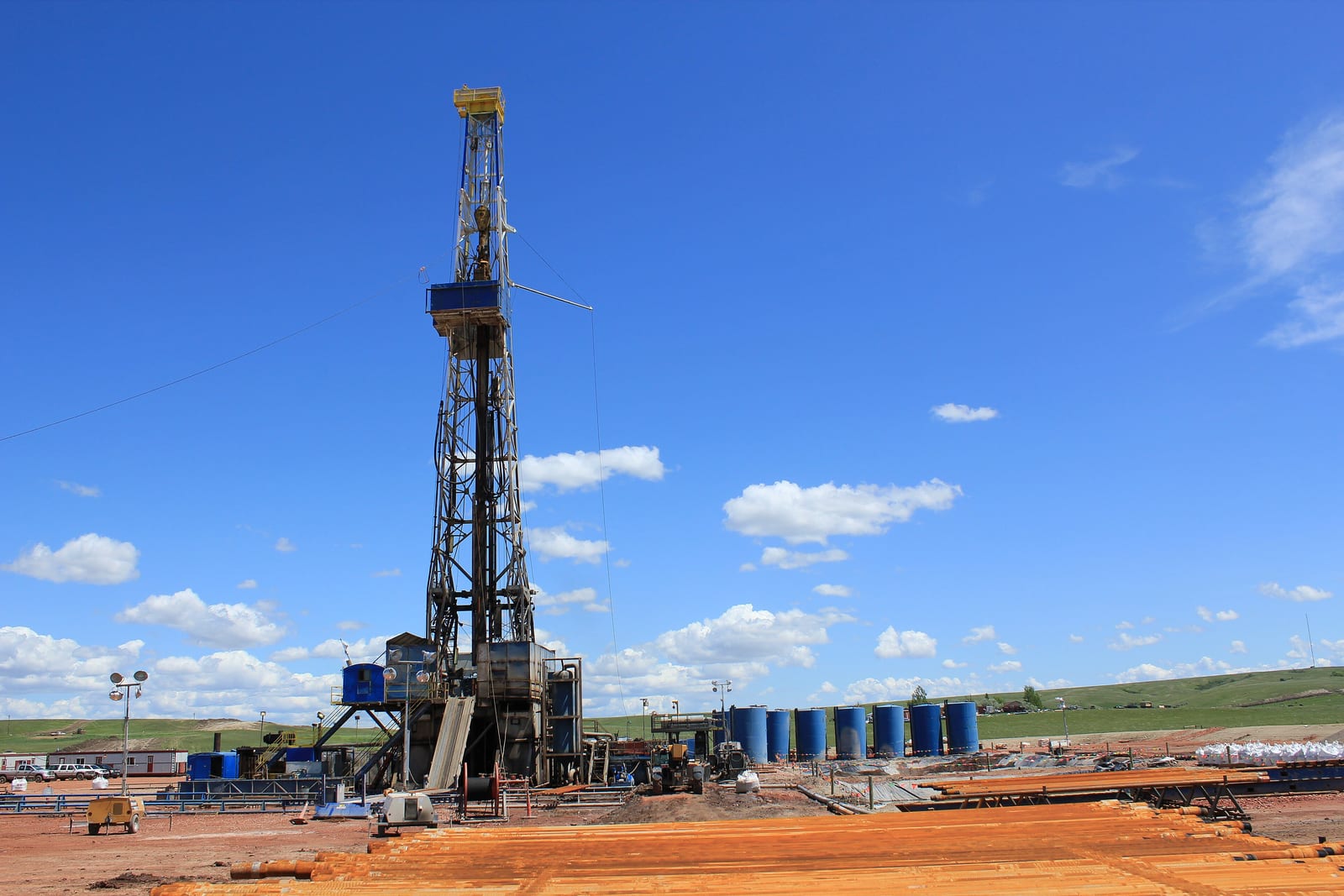
Cloud-based closed-loop drilling automation has now run on more than 310 wells, delivering 10-15% higher rate of penetration (ROP), about 20% more lateral footage per day and 35-50% fewer bottomhole assembly (BHA) runs than manual management of the autodriller, according to field deployment data from Corva's Predictive Drilling system. By June 2026 the platform had executed more than 3 million feet of closed-loop drilling across multiple operators, basins, drilling contractors and rig configurations, Corva's William Fox said in a review of the deployments.
The volume is large enough, Fox wrote, that discussion among upstream operators and drilling contractors has shifted from whether automation works to how to deploy it at scale, with more of them now treating it as part of standard workflow rather than a stand-alone technology project.
What the field data shows
- Rate of penetration: 10-15% higher than manual autodriller management
- Lateral footage: about 20% more per day
- BHA runs: 35-50% fewer
Integration, not algorithms, sets the pace
Every deployment has to answer a few basic questions before automation runs: how data leaves the rig, how setpoints return to the autodriller, who holds control authority, and how a crew knows automation is active. At minimum, the system needs visibility into current and maximum values for weight on bit (WOB), differential pressure, RPM, torque and ROP, plus confirmation those values were received and executed. A single control-state indicator showing whether automation is running the autodriller removes confusion during troubleshooting, according to Corva.
Latency sets a hard ceiling
Round-trip communication times of 5-7 seconds deliver strong results, matching the pace of an attentive driller managing the autodriller by hand. Performance drops as latency rises. At around 15 seconds, mitigating a tool-joint hangup gets difficult because the window to intervene can close before the system responds. At 30 seconds, drilling through interbedded formations gets harder because formation changes happen faster than the system can react. Past 60 seconds, most closed-loop automation stops working, Corva said. Connectivity, the company argues, belongs in the automation build itself, not treated as a separate IT question, and latency limits should be tested before any deployment starts.
Safety limits stay with the driller
Drillers set the operating envelope. A remotely generated setpoint that exceeds the limits loaded into the rig control system gets rejected automatically, and a lost connection hands control back to the driller immediately. Depth-based operating roadmaps constrain what the machine-learning models can recommend at each interval, and manufacturer limits for bits, motors and other BHA components can require sign-off before a recommendation executes. Local programmable logic controller (PLC) systems, which react at 25-30 hz, respond faster than a cloud-based platform ever can, so Corva runs its automation as a supervisory layer above existing rig automation rather than a replacement for it.
Crews stop trusting what they can't see
The fastest way to lose crew confidence, Fox wrote, is a recommendation with no explanation attached. Corva offers a scenario to make the point. An automated system cut WOB after shock counts crossed a set threshold, exactly as programmed, but a driller who could not see the reasoning assumed the software was underperforming. Some operators now require every automated action inside Predictive Drilling to carry a reason code, such as reducing WOB for elevated shock levels or increasing RPM to mitigate stick-slip. That visibility, Corva said, is what builds adoption.
Corva frames the full review as seven lessons drawn from the deployments; the sixth centers on standardizing dysfunction management before automating it.