Before Spirit Energy's rig can go back to work at Seven Seas and Grove West, the old subsea hardware has to come out. DeepOcean pulled a wellhead protection structure weighing more than 100 tonnes from the Seven Seas field in the southern North Sea, and disconnected subsea infrastructure at the nearby Grove West field, using its own tooling for both jobs.
Both scopes were carried out with DeepOcean's proprietary equipment, with onshore engineering and project management run out of the company's Aberdeen base.
Cutting the structure free at Seven Seas
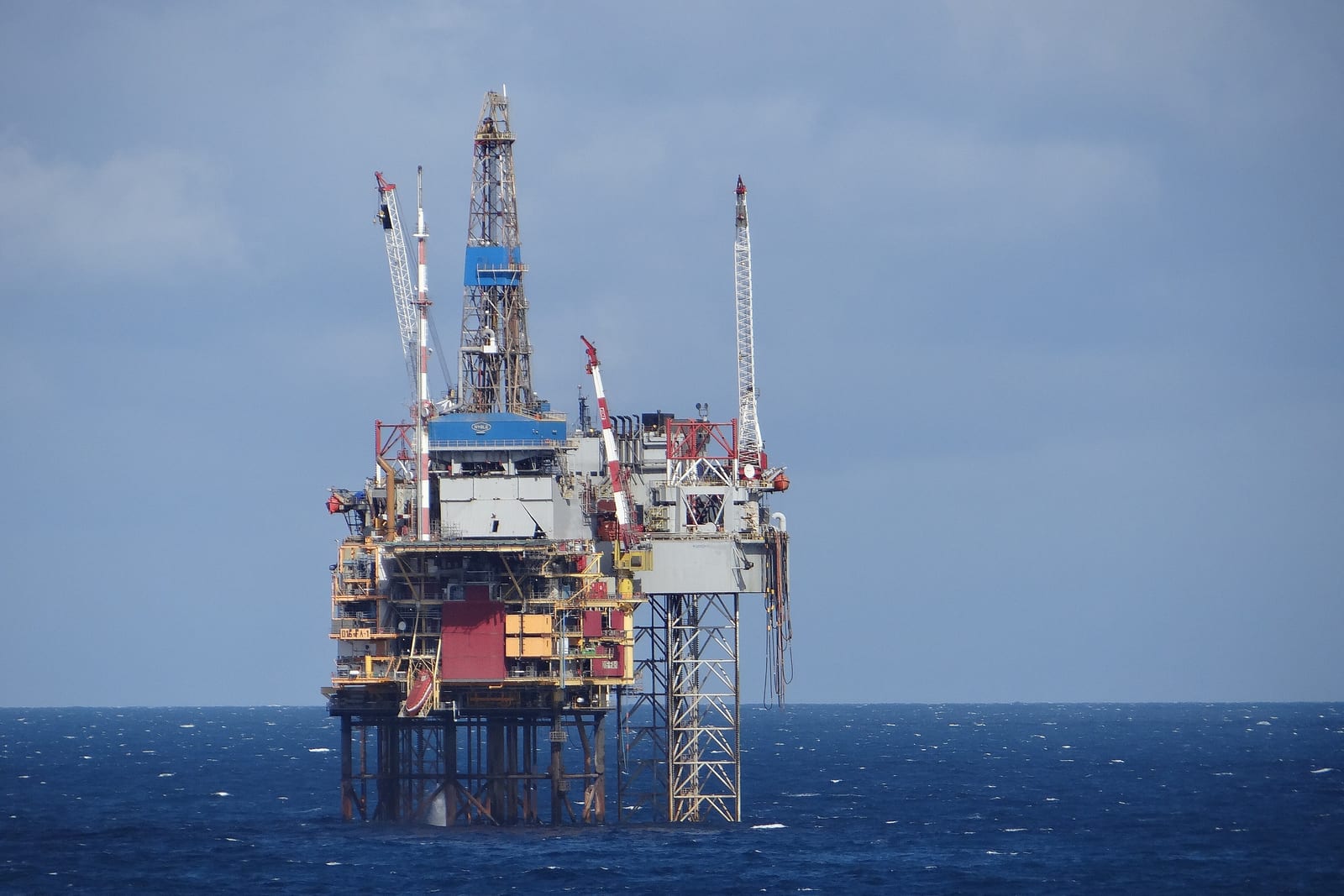
At Seven Seas, DeepOcean deployed the construction vessel Edda Freya to lift the wellhead protection structure clear of the seabed. A wellhead protection structure is the steel frame set over a subsea wellhead to shield it from trawl gear, anchors and dropped objects; once a rig is due back to work a well, the structure comes out first. This one had stood over the well since 2011.
The structure's supporting piles were cut three meters below the seabed before the Edda Freya hauled the structure and its associated subsea infrastructure to the surface. The recovered material will be reused, recycled, or sent for disposal. Seven Seas sits about 80 km off the East Yorkshire coast, in roughly 33 meters of water.
Grove West: no divers needed
At Grove West, DeepOcean's scope was smaller but more exacting: disconnecting a spool and two subsea flanges from a Christmas tree, the cluster of valves fitted to the top of a subsea well that controls the flow in and out of it. Instead of sending divers down, DeepOcean ran the job with a remotely operated vehicle paired with specialized tooling, the same diverless approach the company developed during last year's removal of the Gryphon Alpha FPSO. Grove West lies about 130 km east of the UK coastline, in water around 40 meters deep.
This clears the seabed at Seven Seas and Grove West so Spirit Energy's rig campaign can proceed.