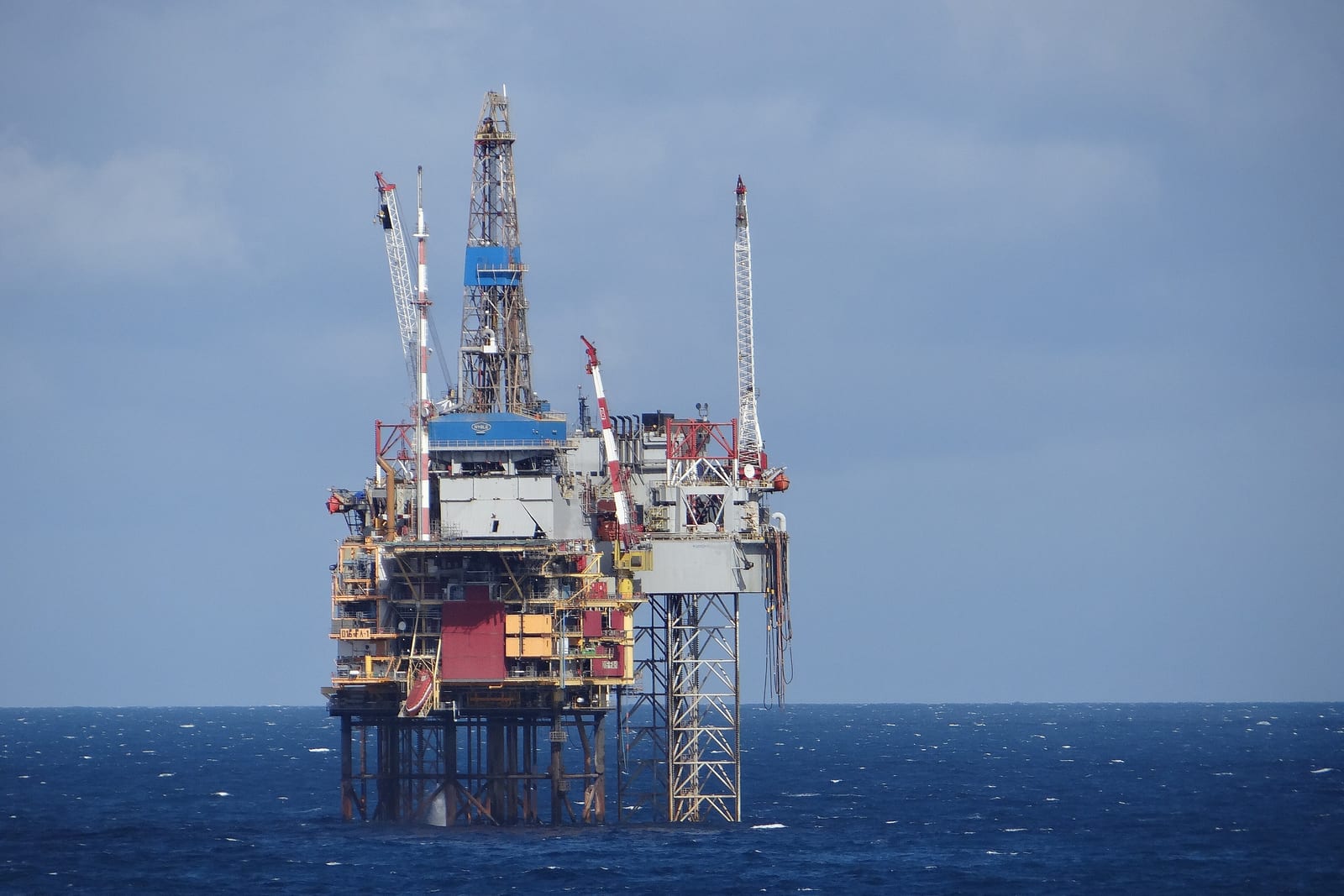
US crude oil production, including lease condensate, averaged a record 13.6 million barrels a day in 2025, according to EIA data. That beats the prior record of 13.2 million b/d set in 2024 and keeps the United States as the world's largest crude producer for an eighth straight year, a run that started in 2018 when it overtook Russia.
The gap widened too. US output ran about 40% above the next two largest producers, Russia and Saudi Arabia, on average in 2025.
Output grew as prices fell
The record came despite a weaker price backdrop. WTI averaged $65 a barrel in 2025, down from $77 in 2024, as global supply outpaced demand. Producers added barrels anyway, drawing on gains in drilling productivity and operational efficiency that let each well produce more oil. The US rig count stood at 562 as of June 15, 2026, according to Baker Hughes.
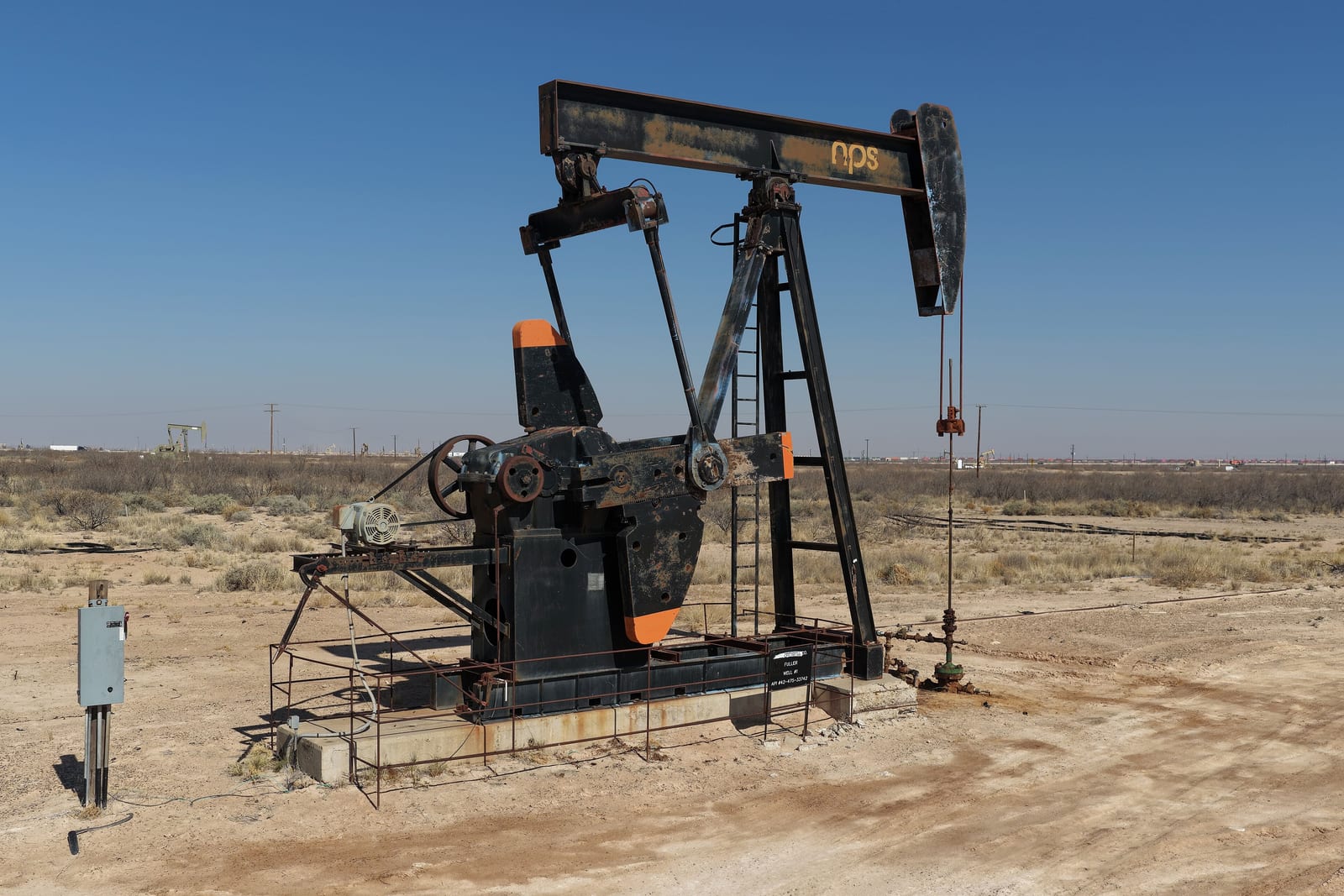
Shale drilling is the reason the record exists at all. Shale techniques reversed a multi-decade decline in US crude output when they became commercially significant in 2008. That shift means the 13.6 million b/d figure is not simply a modern record among producers. It is the largest volume of crude oil any single country has ever produced, according to EIA.
The Permian carries the load
Output from the Permian Basin in Texas and New Mexico rose 4% in 2025, from 6.3 million b/d to 6.6 million b/d. The basin now accounts for about 48% of all US crude production, making it the single biggest driver of the national record.
Russia and Saudi Arabia fall further behind
| Country | 2024 crude output | 2025 crude output |
|---|---|---|
| United States | 13.2 million b/d | 13.6 million b/d |
| Saudi Arabia | 9.2 million b/d | 9.6 million b/d |
| Russia | 9.9 million b/d | about 9.9 million b/d, largely unchanged |
Saudi Arabia's growth came from OPEC+ unwinding voluntary production cuts. Russia's output stayed largely flat, held back by its own voluntary cuts and by the effects of its conflict with Ukraine.
Associated gas rides along
The same Permian drilling that lifted crude output also pushed up associated natural gas production, the gas that comes up alongside oil from the same well rather than being the target of the drilling. That gas has fed growing US natural gas-fired power generation and export volumes. Henry Hub gas was priced at $3.06 per million British thermal units as of June 15, 2026, according to EIA. In 2024, the most recent year with full data, the United States was also the world's largest natural gas producer. The EIA plans to release 2025 natural gas production figures later this year.
More growth, and higher prices, ahead
EIA's latest Short-Term Energy Outlook forecasts US crude output will hold near 13.7 million b/d in 2026 before rising to 14.2 million b/d in 2027. This time growth comes with a price tailwind: the agency expects WTI to climb $22 a barrel to an average of $88 in 2026, alongside continued gains in shale well productivity. Markets are already pricing in some of that move: WTI traded at $84.65 a barrel as of June 15, 2026, according to EIA, within reach of that forecast average.
One term worth defining: lease condensate. It is the light hydrocarbon liquid that separates out of natural gas at the wellhead, and government statistics count it together with crude oil in production totals.