The U.S. Department of Energy issued an emergency order on July 26, 2026, directing the Southwest Power Pool (SPP) to dispatch specified generation units to keep power flowing across 17 states during hot weather. The order came at SPP's own request and lets the grid operator call on backup generation as a last resort before, or during, an Energy Emergency Alert level 3, the highest alert tier before controlled outages.
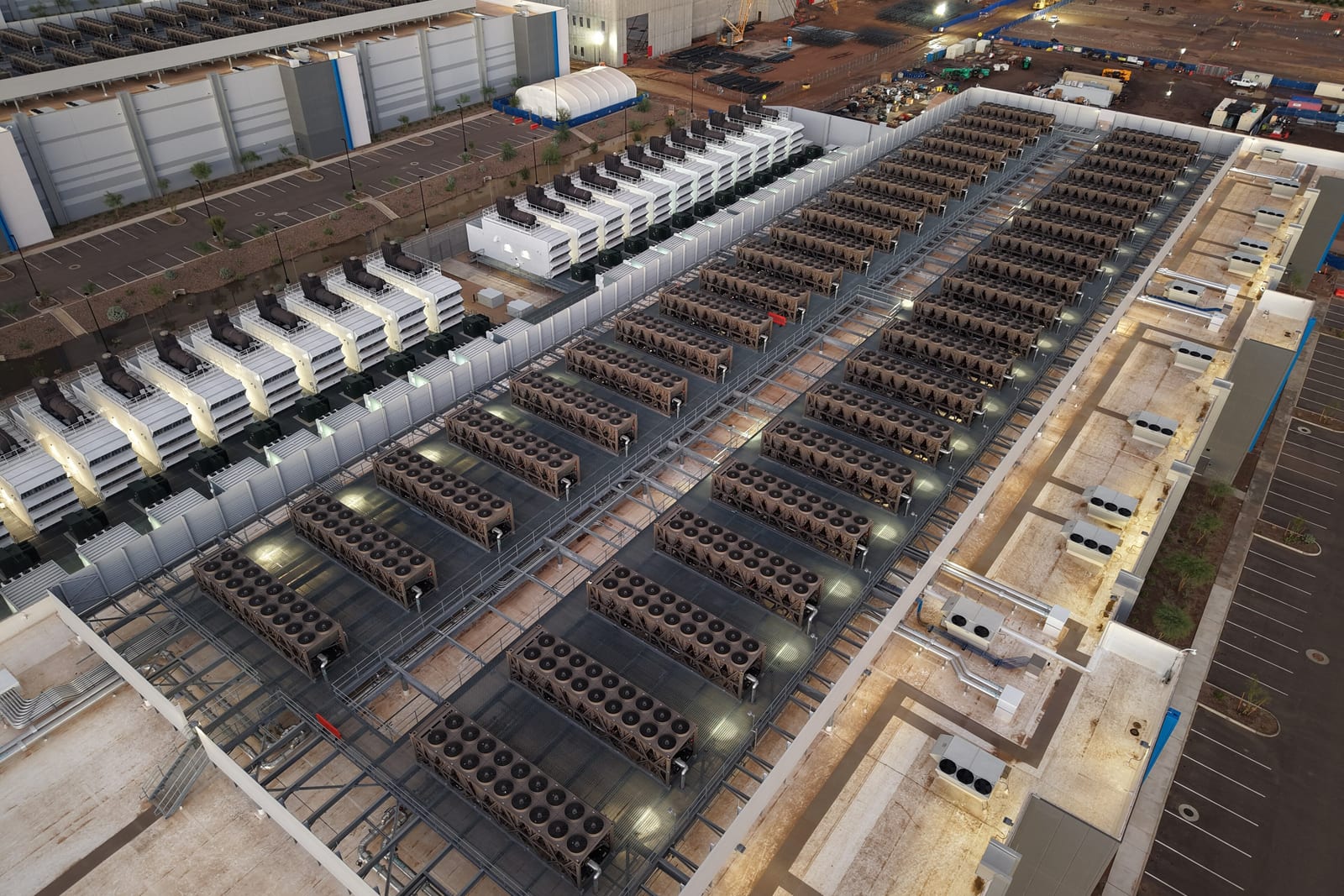
DOE estimates more than 35 gigawatts of unused backup generation sit idle nationwide, capacity SPP can now tap if conditions worsen.
What the order covers
- Directs SPP to dispatch specified generation units and order their operation as needed to maintain reliability
- Authorizes SPP to direct backup generation resources to operate as a last resort ahead of, or during, an EEA 3
- Effective July 26, 2026, and expires at 11:59 PM CDT on August 3, 2026
An EEA 3 is the alert grid operators declare when supply is so tight that controlled, rotating outages become a real risk unless more generation or demand response comes online fast.
Energy Secretary Chris Wright said the department is "tapping into an abundant supply of unused backup generation" to keep power affordable and reliable for households and businesses. He linked the order to the administration's broader policy push, saying the prior administration's "energy subtraction policies weakened the grid," leaving it more exposed during emergencies.
The order follows the national energy emergency President Trump declared on his first day back in office, which DOE says responded to a grid left more vulnerable to blackouts under the prior administration's energy approach. DOE cites its National Laboratories in putting the annual cost of power outages nationwide at $44 billion.
DOE frames the move as a reliability backstop rather than confirmation that an EEA 3 has already been declared in the SPP footprint: the order authorizes backup generation to run before that alert level is reached, not only after.