The U.S. Department of Energy ordered the Southwest Power Pool, Inc. (SPP) to dispatch specified generating units and, if needed, direct backup generators to run to keep power flowing through a stretch of hot weather in the region.
DOE issued the order at SPP's own request. It took effect on issuance, July 20, 2026, and was set to expire at 11:59 pm ET on July 21, 2026, a roughly one-day window tied to the heat event.
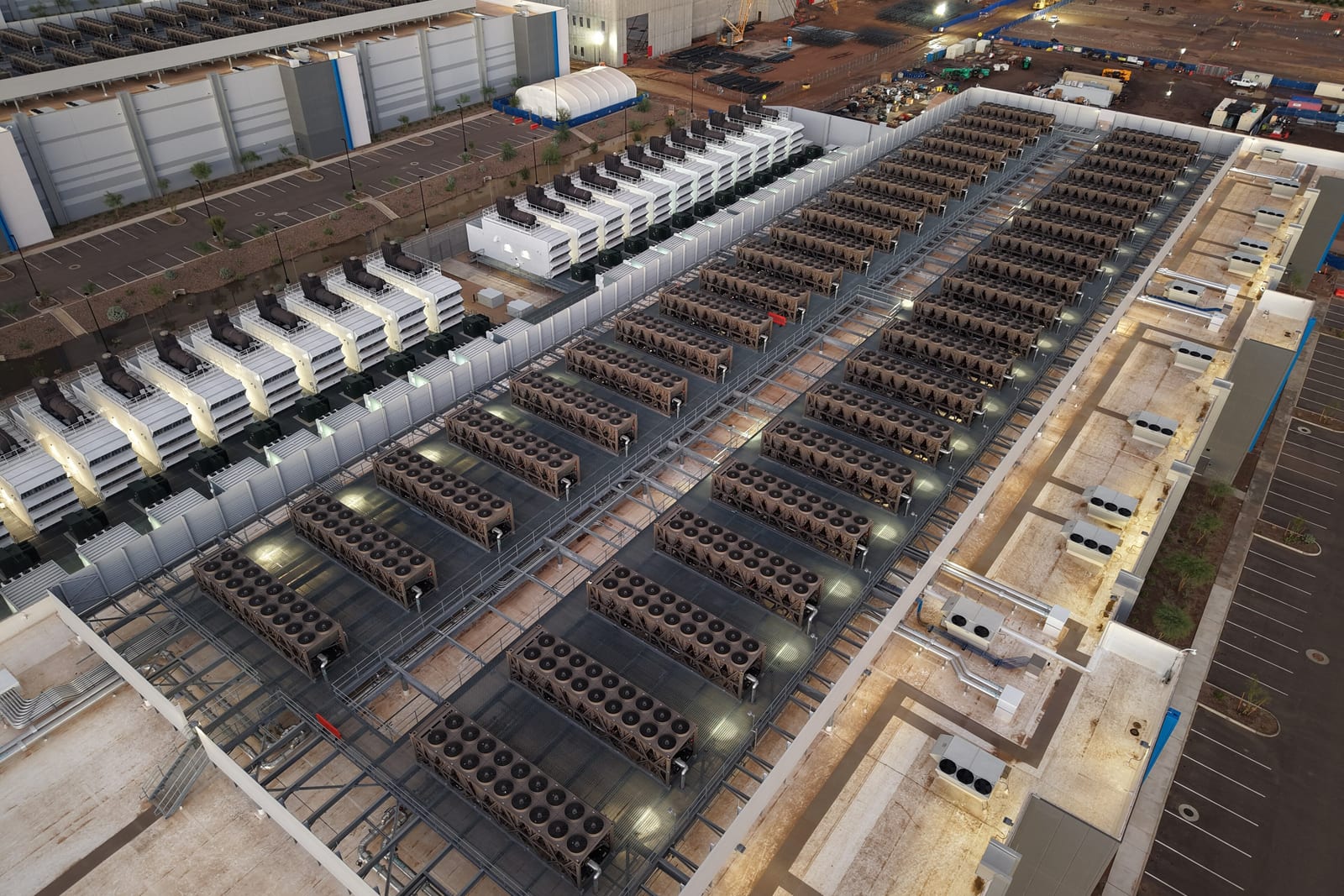
The order lets SPP call on backup generation as a last resort before it declares an Energy Emergency Alert level 3, or EEA 3, the stage grid operators use just before ordering controlled outages, and while any EEA 3 is in effect. DOE estimates more than 35 gigawatts of unused backup generation sits available nationwide, generation it says can be tapped in emergencies like this one.
Secretary of Energy Chris Wright said the department is "tapping into an abundant supply of unused backup generation" to keep power affordable and reliable for households and businesses. He said the order reverses grid weaknesses he attributed to "energy subtraction policies" under the prior administration.
Part of a wider push
The order follows President Trump's declaration of a national energy emergency on his first day in office, which DOE says responded to a grid left more vulnerable to blackouts under the Biden administration. DOE's national laboratories put the annual cost of U.S. power outages at $44 billion.
DOE framed the SPP order as one tool in that broader push, aimed at cutting blackout risk during the current heat event and demonstrating that reserve and backup capacity can be called on when regional demand spikes.