Equinor and its partners are spending just over NOK 4 billion to add gas from the Troll field, and how they spend it matters as much as the sum. The plan reuses infrastructure that is already in place instead of building new. That is the whole point: cheaper gas, sooner, from a field that already produces.
The money goes to a subsea development called TWIN in the North Sea. It is the third step of Troll phase 3, which produces gas from the Troll West reservoir. Equinor holds an ambition to start production as early as 2028. The partners on the project are Petoro, Shell, TotalEnergies and ConocoPhillips.
What the project adds
TWIN is expected to contribute around 11 billion standard cubic meters of gas. The build is small and deliberate: two wells in a single template, plus a pipeline connected to existing subsea facilities. The umbilical and MEG line get extended to reach the new development. There is no new platform and no new onshore plant. The gas flows back through equipment that is already running.
A quick note on the jargon. An umbilical is the bundle of control lines and cables that runs from the surface down to seabed equipment. The MEG line carries mono-ethylene glycol, a chemical pumped into the flow to stop gas hydrates from forming and plugging the pipes. Extending both to a nearby template costs far less than laying a fresh set.
Why the design is the story
Gunnar Nakken, Equinor's senior vice president for projects and subsea Norway, framed the approach around standardisation and reuse. The company says simpler design and reused equipment cut cost and bring first gas forward. Nakken set a blunt target for the wider portfolio: halve cost and execution time on subsea projects, and deliver six to eight of them a year towards 2035.
That target answers a problem he named plainly. Fields are ageing. New discoveries are smaller. Costs are rising. A NOK 4 billion tie-in that leans on existing infrastructure is the template for keeping mature-field gas flowing without the price tag of a new standalone development.
The emissions and export angle
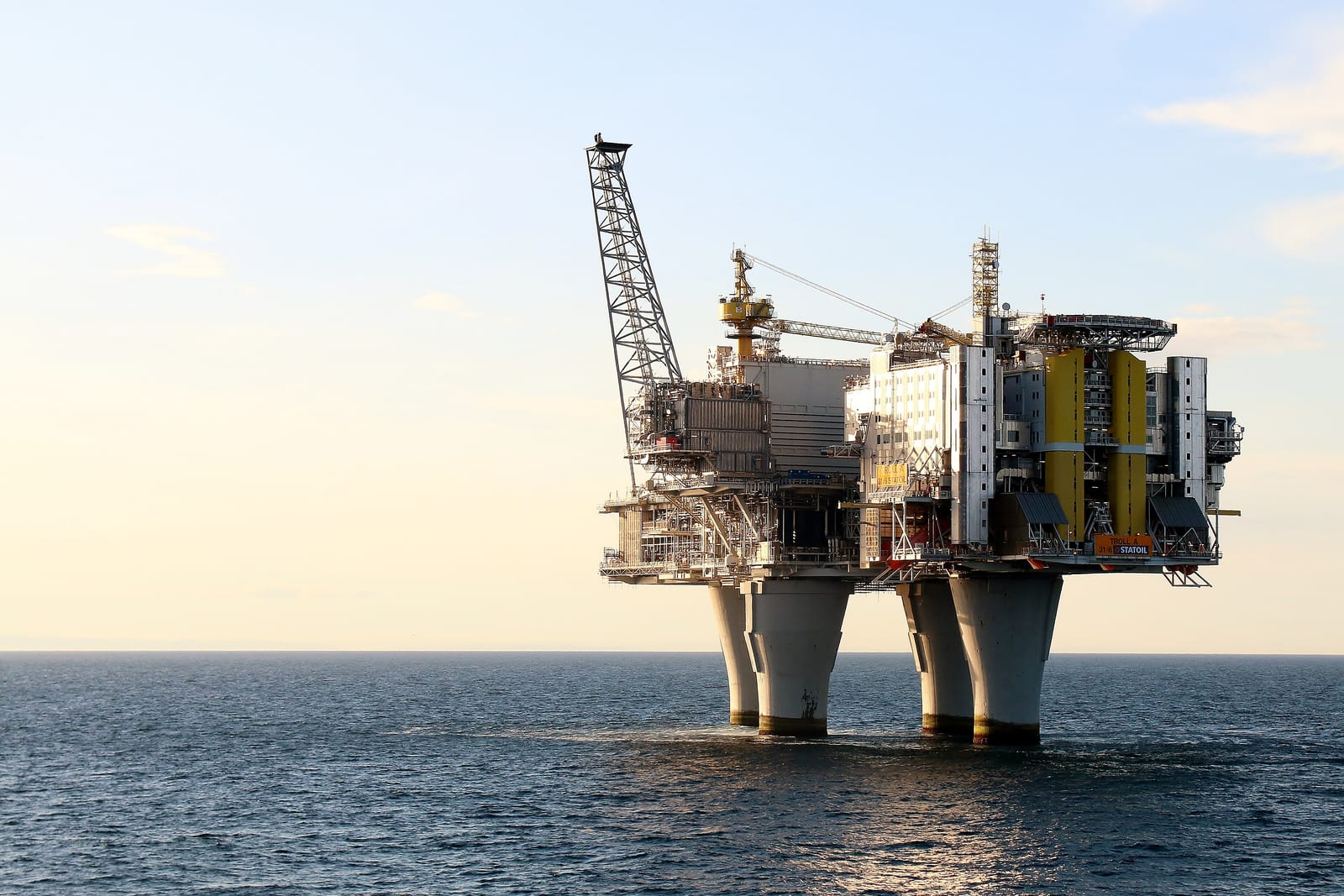
Both the Troll A platform and the Kollsnes onshore plant run on electricity from shore. That means the added gas is produced with very low emissions, which matters for buyers who now weigh the carbon intensity of supply. The stated aim is to sustain gas exports to Europe from Troll A and Kollsnes.
TWIN sits alongside a second step of Troll phase 3 due on stream during 2026. That second step is meant to hold high output from Troll A and Kollsnes towards 2030. TWIN extends the runway further. For Norwegian gas and power planning, the pattern is a series of small, fast subsea projects layered onto existing hubs rather than one large new build.
What it feeds into
The field-level number rolls up into a company-level one. Equinor aims to produce 1.3 million barrels per day from the Norwegian continental shelf in 2035. TWIN is one of many subsea projects the company and Norwegian authorities want to bring on stream faster and cheaper to defend that figure as the shelf matures.