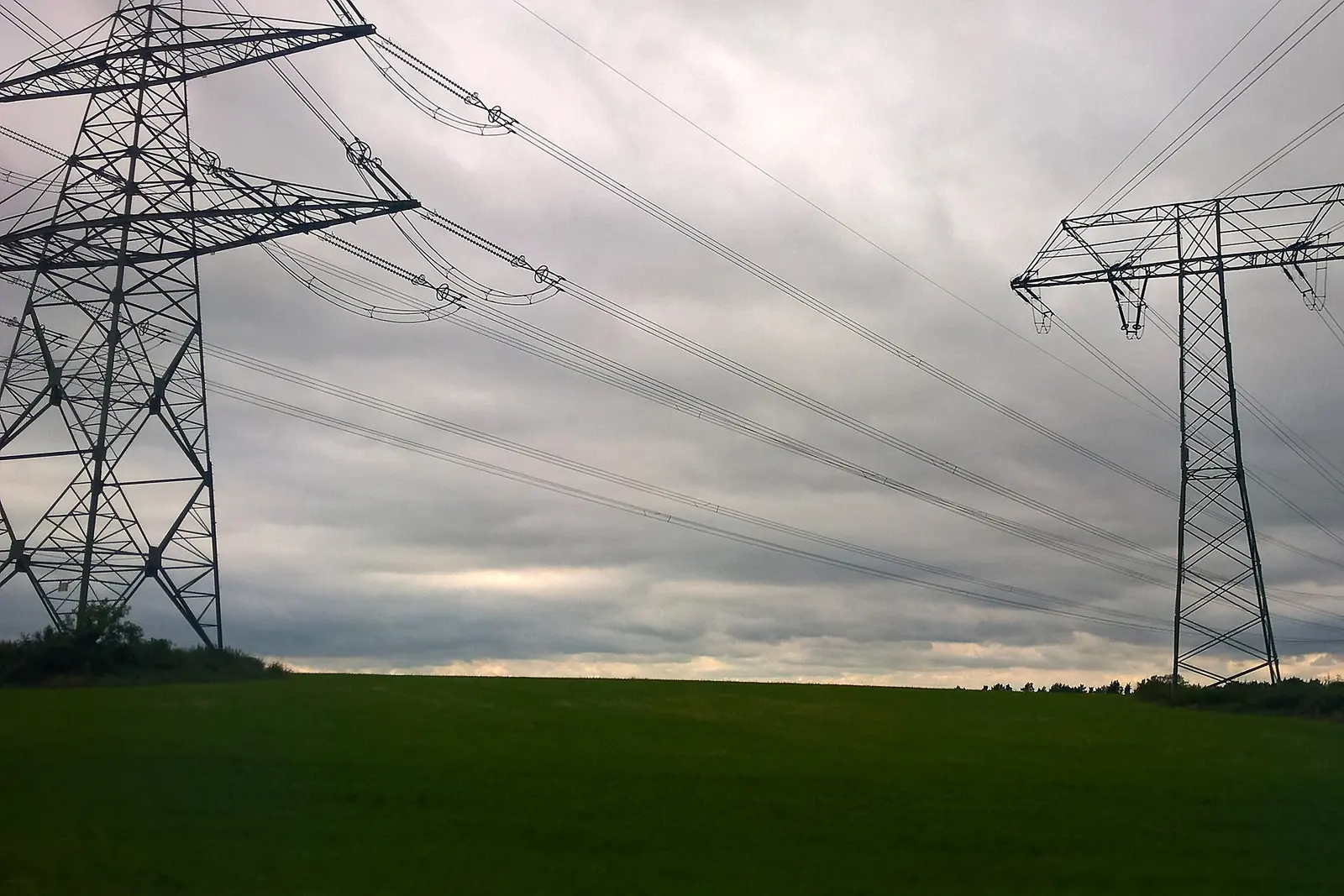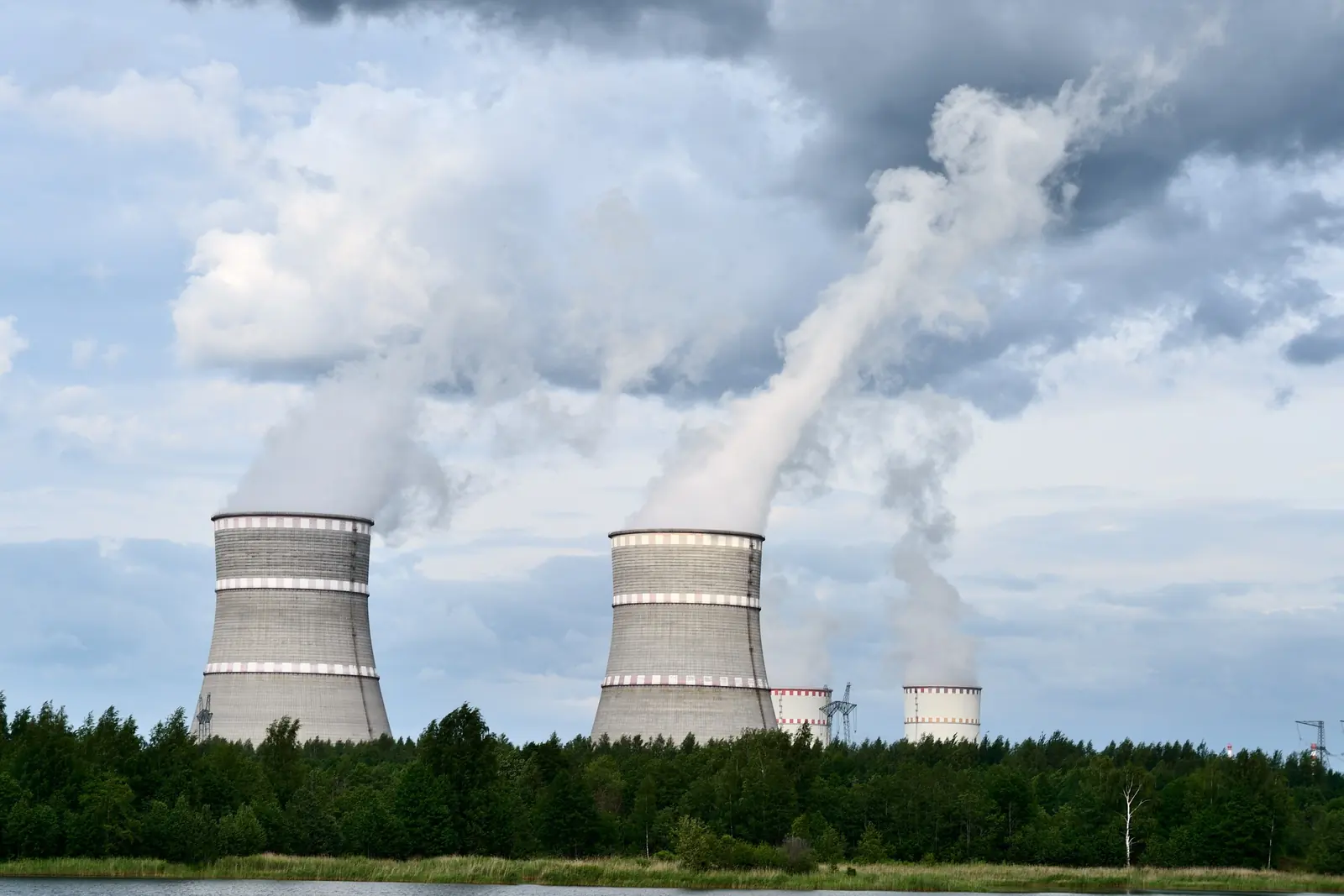
Google signed a 20-year power purchase agreement with Constellation Energy to add 890 megawatts of new nuclear capacity to the PJM Interconnection grid. The deal funds more than $4.3 billion in new investment at 11 Constellation-owned nuclear units across six sites in Illinois, Pennsylvania and New Jersey.
The uprate deal
The money pays for upgrades to turbines, steam generators and digital control systems at plants already running, a process known as a nuclear uprate. Uprates raise a reactor's thermal and electrical efficiency, which adds megawatts without the years of permitting and construction a new reactor would need. The first uprate funded by this deal is expected to deliver power by 2028. The companies describe the 890 MW as entirely new generation added to the power grid, not capacity shifted from elsewhere in PJM, and say it is roughly equal to the output of several small modular reactors or one large conventional reactor. The agreement also advances the federal government's UPRISE program, which promotes public-private partnerships to maximize clean electricity output from existing nuclear plants in the US.
A second deal protects existing output
Google and Constellation also signed a 15-year energy supply agreement covering an additional 2,700 MW of Constellation's existing PJM generation fleet. That contract gives Constellation guaranteed revenue on plants it already runs, which the companies say keeps those assets economically viable without taking them off the grid.
An AI alliance on top of the power deal
Constellation also expanded its technology partnership with Google to five years, adding Google Cloud and Gemini Enterprise to build what the companies call an "AI for energy" blueprint. The stated goal is to speed up how fast new capacity comes online and optimize how Constellation dispatches its generating assets. The companies also say the technology will help protect grid infrastructure.
Responding to PJM's call for self-supply
The agreement is a direct response to PJM's "Bring Your Own Power" proposal. Google called it a practical model for how large power consumers can add new supply to match their own growing operational needs, without state or federal mandates. The companies say the approach aligns with the White House Ratepayer Protection Pledge, and Google says it lets the company add capacity in PJM without passing new costs on to residential customers.
"We're committed to meeting our growth responsibly," said Amanda Peterson Corio, Google's global head of energy and power. She said the funded uprates will strengthen a PJM grid that serves 67 million people.
Constellation chairman, president and chief executive Joe Dominguez said preserving and expanding the existing nuclear fleet is "critical to meeting our nation's growing energy needs." He called the agreement with Google one that "can serve as a model" for how technology and energy companies invest together in grid infrastructure.
Jobs and what comes next
Across the six nuclear sites, the companies say the agreement sustains about 4,400 existing jobs and creates about 7,200 construction jobs during the building period. The deal also includes a demand-flexibility piece: Google agreed to shape its own power use and curtail non-critical consumption during high-stress grid events. Beyond this agreement, Google and Constellation set up a broader framework to study new clean generation, storage and demand-response projects in PJM, with near-term work prioritized there.