Munters Group's order intake jumped 137% in the second quarter of 2026, but a US production ramp-up and tariff-related costs cut into profitability, the Stockholm-based industrial group said in results released July 17, 2026.
The growth came from strong demand in data center technologies, the segment Munters calls DCT, and in AirTech, partly offset by softer demand in FoodTech. Net sales rose 6%, lifted by AirTech and FoodTech, while DCT sales fell as the production ramp-up and supply chain constraints held down throughput.
The adjusted EBITA margin declined. Munters pointed to the planned DCT ramp-up, a changed product mix, supply chain constraints, tariff headwinds and continued growth investment. AirTech margins moved the other way, improving on higher volumes and cost-saving measures. Cash flow from operations was strong, driven largely by advance payments from DCT customers.
| Metric | Q2 2026 |
|---|---|
| Order intake | +137% |
| Net sales | +6% |
| Earnings per share | SEK 1.11 (vs. SEK 0.97) |
| Leverage | 3.2x (vs. 3.1x in Q1 2026) |
| OWC/net sales | 5.2% (target range 13-10%) |
| Dividend | SEK 1.60/share, MSEK 292 total |
Leverage, the ratio of net debt to adjusted EBITDA, rose to 3.2x from 3.1x in the first quarter of 2026, which Munters attributed to lower adjusted EBITDA. Its April annual meeting approved the SEK 1.60 per share dividend, equal to 53% of net income from continuing operations, with the first of two installments paid in May.
President and CEO Klas Forsström said the company delivered "exceptionally strong order intake in the quarter," and that the pressure on profit does not change its view of the underlying business or its long-term direction. He said Munters expects improved profitability over the next six months, supported by progress across the group.
Data center segment scales in Virginia
DCT again logged strong order intake, supported by several project awards during the quarter; Munters said the timing of such awards can vary, but underlying customer activity remains strong. AirTech saw strong demand across several markets, including a jump in its Components segment as customers secured supply following earlier disruptions in industry capacity. FoodTech order intake fell in both controllers and software, which Munters linked to the timing of software projects and softer investment in some end markets.
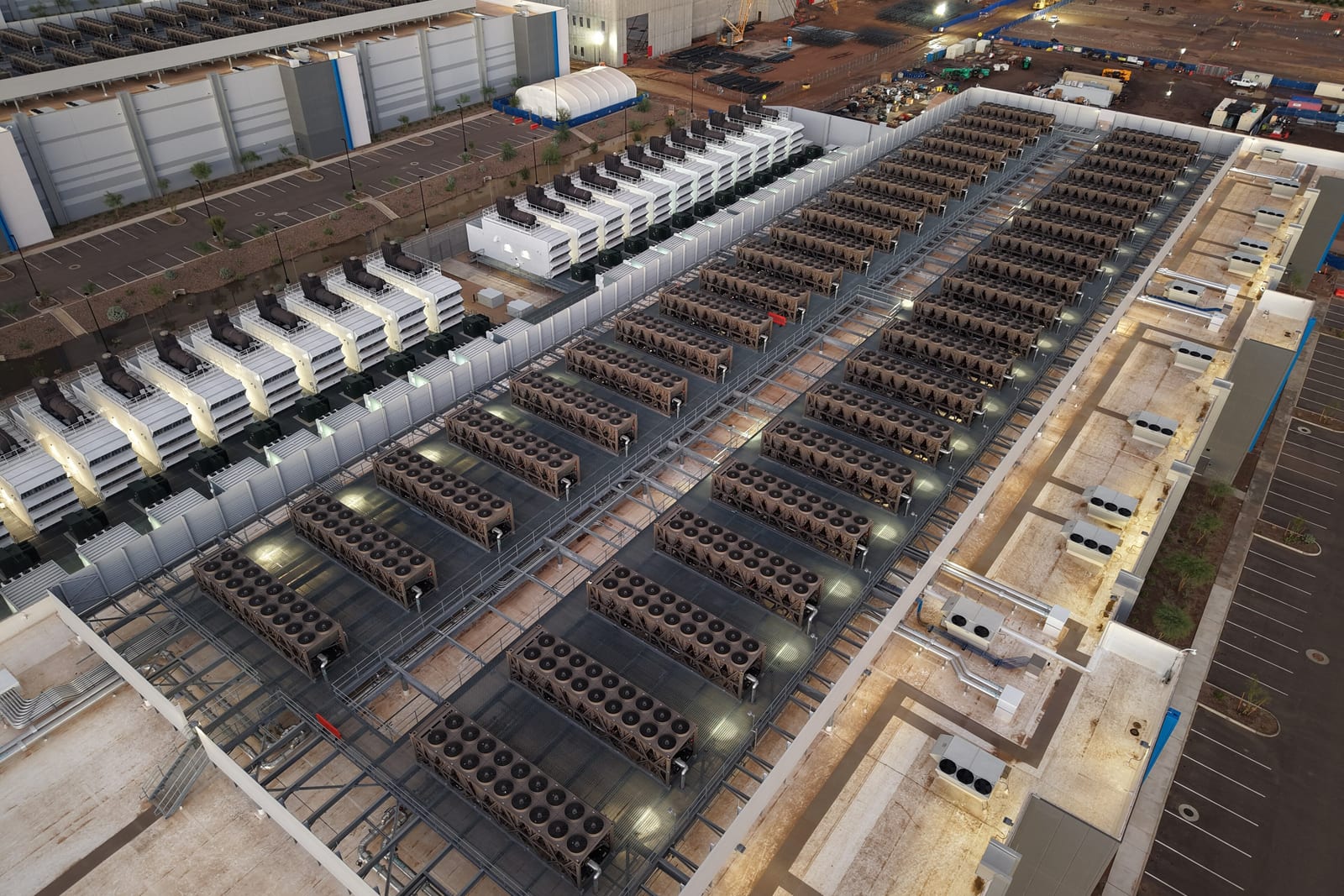
Munters brought its expanded Virginia facility into operation during the quarter, a step it called important to strengthening DCT's manufacturing capacity and supporting a regional production strategy in the Americas. Production volumes there are still low, which the company said is normal for a new manufacturing site. Alongside the Virginia ramp-up, DCT profitability was hit by a changed product mix and supply chain constraints tied to the rapid expansion of data center capacity and the broader geopolitical environment. Munters said this slowed its shift to localized sourcing and pushed back some of the tariff benefits it had expected this year. It is responding by qualifying more suppliers, adding inventory of key components and working with suppliers to cut delivery times.
FoodTech divestment on the table
During the quarter, Munters announced a potential divestment of FoodTech. The company said splitting it off would sharpen the group's strategic focus and let it concentrate capital and resources on DCT and AirTech, while giving FoodTech its own ownership structure to develop its market position.
Leadership transition and outlook
Munters' previously announced CEO transition will happen alongside the third-quarter interim report. The company has scheduled a Capital Markets Day for November, where incoming CEO Stefan Aspman and the group management team plan to lay out their view of the market and strategy.
Munters kept its outlook for 2026. It expects gradual improvement in AirTech net sales as efficiency actions continue, higher DCT volumes and efficiency gains over time, and continued FoodTech growth tied to digitalization of the food supply chain.