OPEC+ left its oil production policy unchanged for October. The seven core members of the alliance, Saudi Arabia, Russia, Iraq, Kuwait, Kazakhstan, Algeria and Oman, agreed at a virtual meeting on 6 September to carry September's required output levels into the new month.
The group said the rollover reflects its ongoing read of global market conditions and outlook, and reaffirmed its commitment to full conformity with the Declaration of Cooperation.
War in the Strait of Hormuz caps physical supply
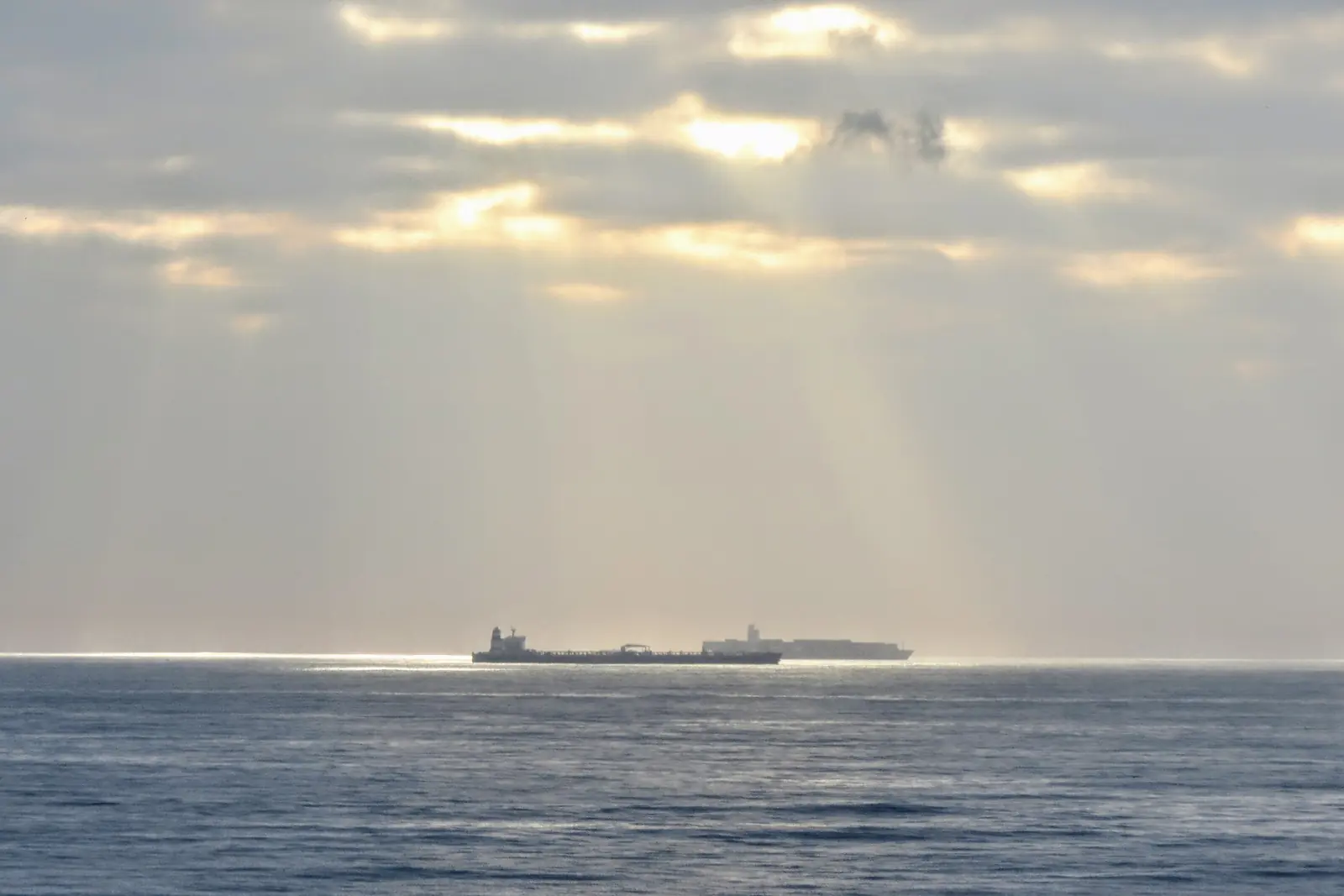
The decision comes as the Iran war continues to disrupt oil flows through the Strait of Hormuz, limiting OPEC+'s ability to influence physical supply and prices. "OPEC+ currently has very limited power over the physical oil market," said Jorge Leon of Rystad Energy. He said the group can adjust production targets on paper, but cannot guarantee that the added barrels are actually produced or reach buyers.
The rollback is done: OPEC+ has now unwound the entire 1.65 million barrel-a-day cut it agreed in 2023, a process that included a further production increase for September approved back in August. But several members are still producing well under their official targets, since the war keeps limiting their exports and output.
Inventories tighten
OPEC's latest Monthly Oil Market Report put OECD commercial oil inventories at 2.73 billion barrels in June, a drop of 26.4 million barrels for the month. That left stocks 66.5 million barrels below the five-year average.
OPEC said worries about near-term supply and disruptions on regional trade routes have kept upward pressure on crude prices. Futures jumped sharply in the second half of July, OPEC said in the report, after renewed tension in the Middle East and incidents involving vessels transiting the region revived fears of disruption to crude and product supply, compounding broader worry about the region's oil output.
The bigger fight is over 2027
OPEC+ still expects oil demand to grow. It sees global demand climbing about 600,000 barrels a day by year-end to an average of 105.7 million barrels a day, then adding a further 2.2 million barrels a day in 2027. OPEC+ expects non-OECD economies, especially China, India and other Asian markets, to drive most of that increase.
"The focus now shifts away from monthly production adjustments," Leon said, describing 2027 as the far more consequential debate the group is moving toward.
A separate set of cuts still applies to most of the 21-country alliance through the end of 2026. Unwinding them will wait on an assessment of how much each member can sustainably produce, feeding into new 2027 baselines that will anchor future quotas.
The seven core members plan to keep checking in monthly. They meet again on 4 October to take a fresh look at demand and supply for global oil markets.