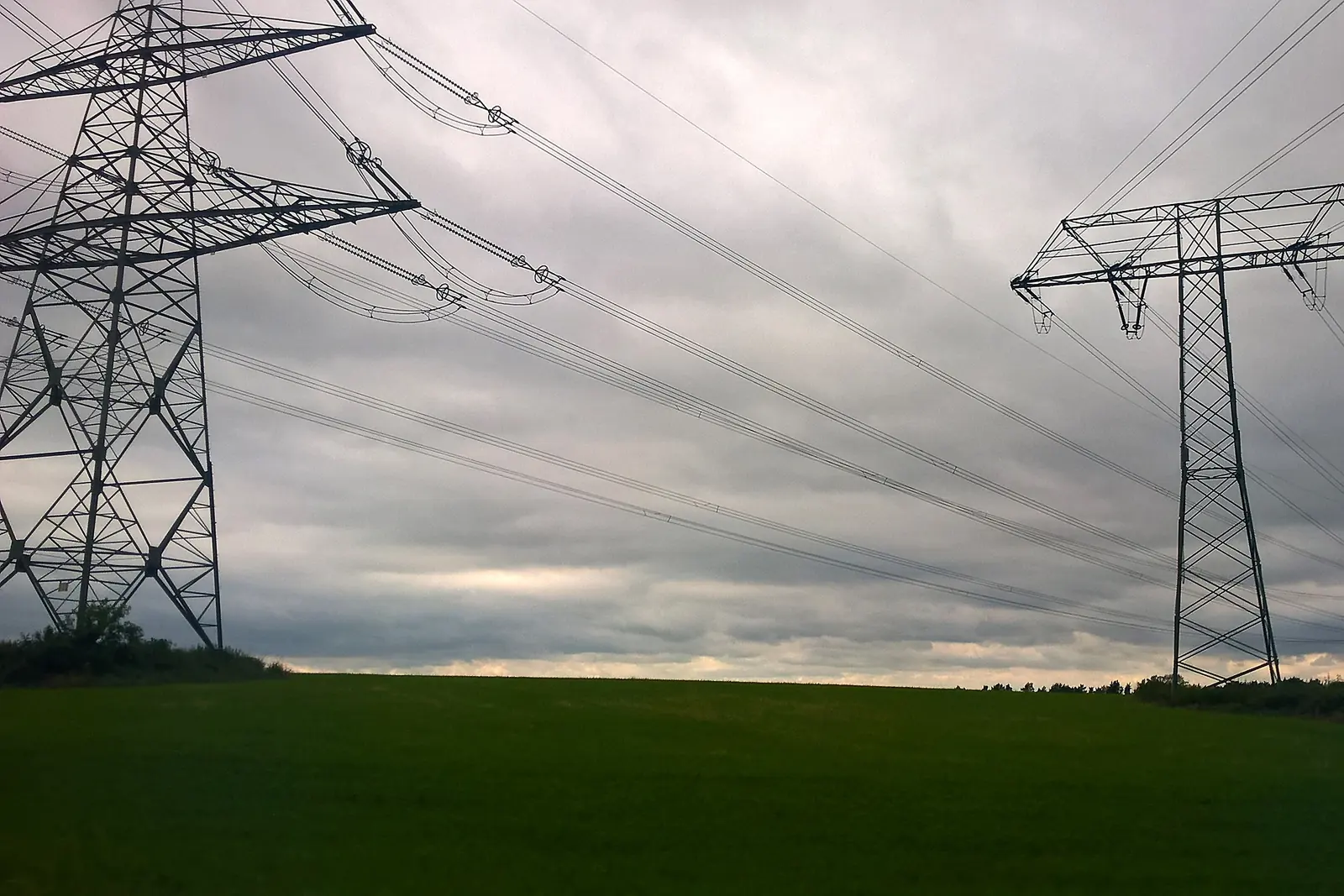
On 30 October 2026, the Secretary of State for Energy Security and Net Zero granted development consent for Sea Link, a 138 km high voltage electricity link between Kent and Suffolk. Most of the route runs offshore. National Grid, which announced the decision, describes the project as part of The Great Grid Upgrade.
What the link is meant to do
Sea Link will carry electricity between Kent and Suffolk in either direction, sending it to where it is needed. National Grid says the route also avoids existing bottlenecks on the network around London.
The decision itself is published on the Planning Inspectorate's website, which National Grid points readers to for the detail.
Why National Grid says the grid needs work
National Grid says the existing network in both Kent and Suffolk needs upgrading. In its account, the UK grid was built in the 1960s to connect power stations burning fossil fuels such as coal, in the North and Midlands of England and South Wales.
The generation mix has since changed. As the UK moves away from fossil fuels, National Grid says clean generation is growing and is largely offshore, so electricity has to be connected in new places.
Demand is the second driver. National Grid expects electricity demand to rise by 50% by 2035 and to double by 2050, as heating and transport are decarbonized. It says significant new infrastructure is needed to move clean energy from where it is now generated to homes and businesses.
Our read
Consent is a permitting milestone, and the material from National Grid covers nothing beyond it. The case for the project rests on two stated facts: an old network shaped around coal-fired stations, and demand that National Grid expects to grow by half within a decade. A route that is mostly offshore and carries power in both directions fits that case on paper. How well it does in practice depends on the build, which this announcement does not describe.