Uniper has picked SLB Capturi as the preferred technology licensor for carbon capture at its proposed Connah's Quay Low Carbon Power (CQLCP) project in Deeside, United Kingdom. SLB Capturi won the role after a competitive front-end engineering and design (FEED) process that started in December 2024.
The project would use SLB Capturi's Big Catch technology, an amine-based carbon capture system built for large facilities. The company says the system can keep working as the plant's gas turbines ramp up and down, and its anti-mist and energy saver systems are meant to limit emissions to air and keep the capture process energy efficient.
"We look forward to supporting Uniper as the project progresses," said Guillaume Verhaeghe, chief executive officer of SLB Capturi.
Technology built for flexible operation
The capture system is designed to adjust its output as power demand shifts and renewable generation varies. It is also designed to capture carbon dioxide from lower-concentration emissions, including those from gas-fired power generation. SLB Capturi has developed the underlying process technology and solvents since 2008, drawing on thousands of hours of commercial testing and feasibility and engineering studies, with experience across eight plants that are operating or under delivery. The company has also worked with Siemens Energy and other gas turbine manufacturers for more than five years on carbon capture for gas-fired power plants.
SLB Capturi says that if CQLCP proceeds to a final investment decision and EPC contracts are signed, it would mark the company's first carbon capture project in large-scale gas-fired power; its current plants in delivery or operation are in cement, waste-to-energy and bioenergy production instead. SLB Capturi counts more than 30 projects in advanced development, under construction or in operation overall.
Capturing and storing the carbon dioxide
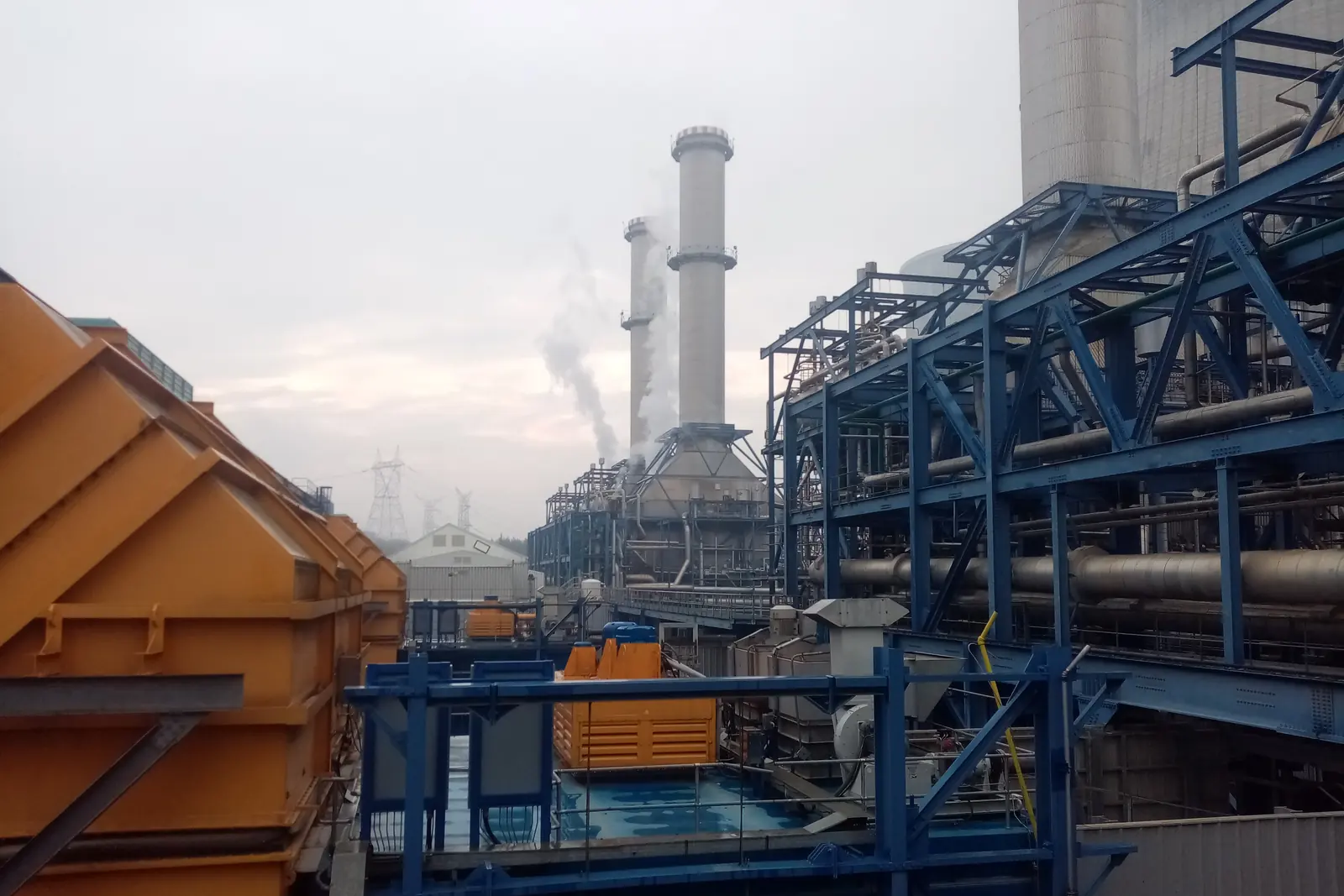
Uniper would build CQLCP on land beside its existing Deeside power station, so the new plant captures carbon dioxide from the site's emissions at the same time it feeds electricity into the UK grid. The captured carbon dioxide would move through pipeline infrastructure being developed under the HyNet industrial cluster, which aims to cut emissions from power and industrial sites across northwest England and North Wales, and would then be stored permanently in repurposed, depleted offshore gas fields.
- Potential capacity: up to 1.38 gigawatts, built in two phases
- Phase one output: enough electricity to power about 1.1 million homes a year
- FEED process start: December 2024
- Possible first-phase start: 2030
Scope and timeline
During the engineering phase, SLB Capturi partnered with Worley and Siemens Energy. If CQLCP moves forward, SLB Capturi's role would include licensing its technology, supplying equipment, sitting on the joint project management team, and supporting design, construction, commissioning and handover work. CQLCP is now moving through the UK's development consent process, and Uniper expects a decision on the Development Consent Order application within the next few months, before any final investment decision.