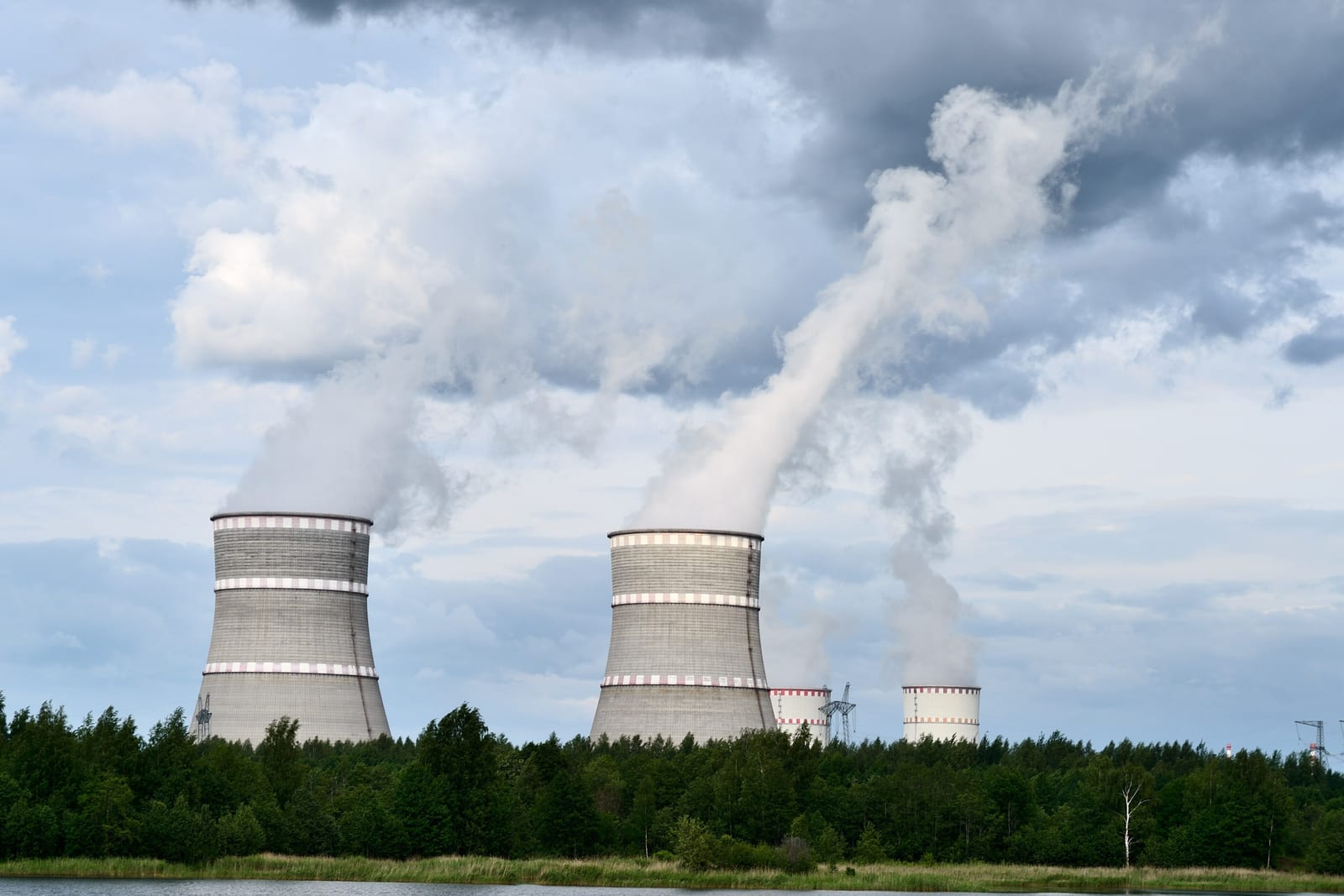
The cheapest megawatt on a grid is usually the one already built. That is the logic behind keeping Sizewell B running to 2055, twenty years past its scheduled 2035 closure, on terms the UK government has agreed with EDF.
What was agreed
The two sides settled a 20-year Contract for Difference at £70.50/MWh hour in 2025 prices, starting in 2035. A contract for difference fixes the price a generator receives: when the market price sits below the strike price, consumers make up the difference, and when it runs above, the generator pays the surplus back. It removes price risk from an asset that costs a great deal to build and comparatively little to run.
Centrica, which owns a 20% stake in the station, backed the agreement and the investment needed to reach 2055.
The scale involved
Sizewell B supplies about 3% of the UK's total electricity, which the government translates as 2.5 million homes. The extension keeps that power on the system instead of requiring something else to replace it, and retains around 900 skilled jobs at the Suffolk site. The Nuclear Industry Association estimates nearly 100,000 people work in nuclear across the country.
The number doing the persuading
The government's sharpest argument is retrospective. Had Sizewell B been operating under this agreement during the energy price crisis that followed Russia's invasion of Ukraine, it estimates consumers would have saved around £2 billion in 2025 prices.
That is the real case for fixing a price now. Not that £70.50 will look cheap in every year of the contract, but that it caps exposure in the years when gas does not behave.
Where it sits in the wider plan
The extension arrives alongside two commitments the government restated: Britain's first small modular reactors in Anglesey, and Sizewell C, which it says will produce clean power equivalent to 6 million homes and support 10,000 jobs at peak construction. Ministers are calling the combination a "golden age" of nuclear.
Energy Secretary Ed Miliband said the extension "will help produce the clean power our country needs". Chancellor Rachel Reeves framed it as long-term certainty for businesses and workers. Lord Vallance, the minister responsible for nuclear, said the deal protects billpayers and maintains 900 skilled jobs in Suffolk.
The industry read is the same. EDF UK chief executive Simone Rossi said extending existing plants alongside building new ones is "central to EDF's strategy". Centrica's Chris O'Shea called the station critical to "reliable, zero-carbon baseload power".
The government also ties the decision to supply chains, arguing that continued operation sustains British nuclear expertise.