DOE picks XGS Energy for New Mexico geothermal well
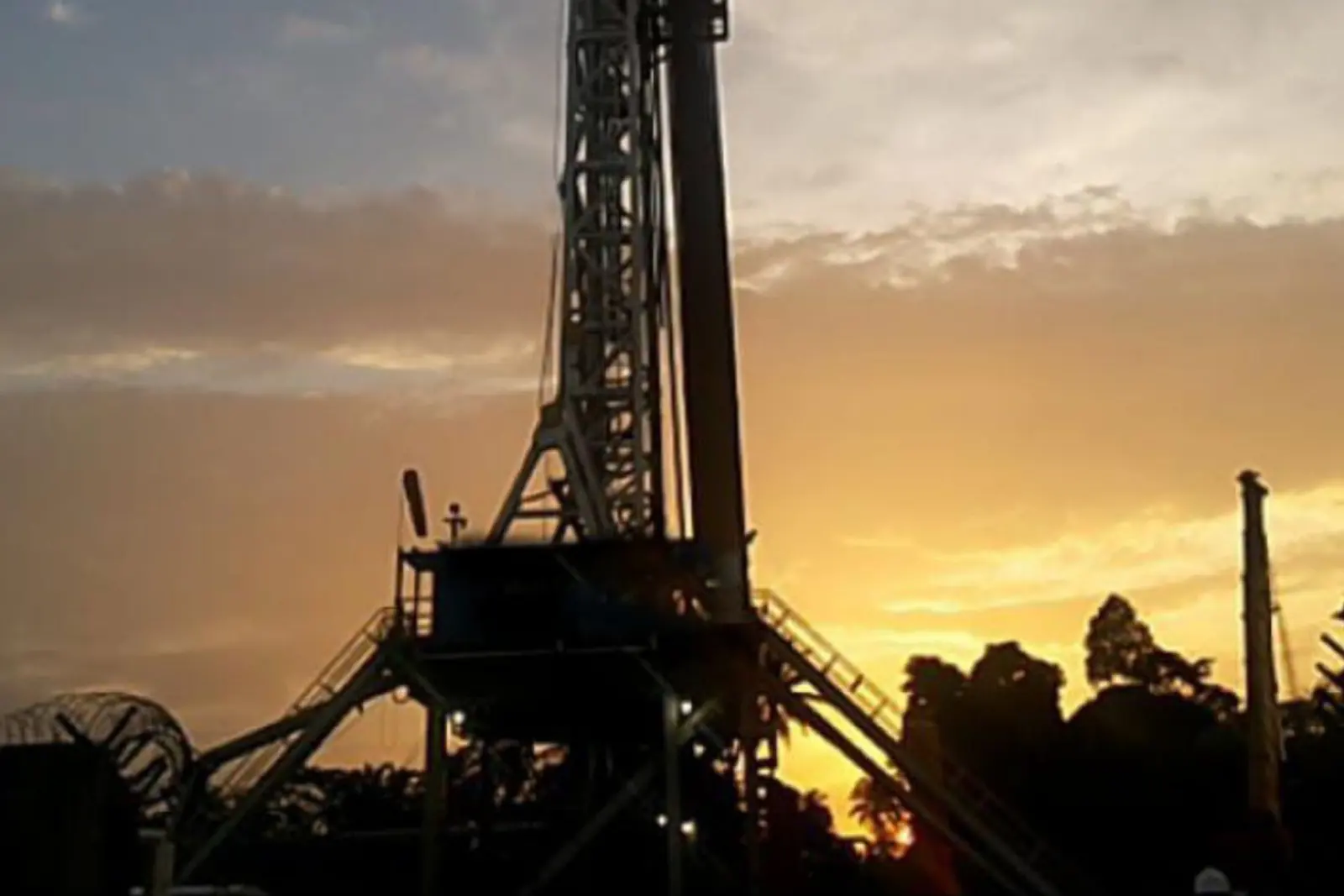
The U.S. Department of Energy selected XGS Energy for funding to drill a deep vertical appraisal well in New Mexico, part of more than $99 million the agency is putting behind geothermal projects across the country. XGS said the well is meant to generate subsurface data that will advance the state's next-generation geothermal resources.
XGS will work with Baker Hughes, New Mexico Tech, and Sandia National Laboratories on the project. XGS said the team combines drilling, formation evaluation, subsurface characterization, data management, and workforce development expertise.
What the well is for
The appraisal well will collect downhole temperature, logging, core, and continuous drilling data. XGS said that data will refine its subsurface models, help it design and build wells across the region, and reduce uncertainty before it moves into commercial-scale projects.
XGS's system is built to generate geothermal power without consuming water, which the company says removes a constraint on development in New Mexico, where heat is abundant but water is scarce.
What the partners said
"New Mexico sits on a substantial and exciting geothermal resource," said Lucy Darago, XGS's chief commercial officer, adding that the company is grateful for the DOE funding. Al Vickers, XGS's chief operating officer, said the data collected will "tighten our thermal and geologic models" and shape how the company designs and builds wells across the region.
Ahmed Eldemerdash, a Baker Hughes vice president, said the project builds on the two companies' existing collaboration in New Mexico. Dr. Pooja Sheevam of the New Mexico Bureau of Geology and Mineral Resources, the state's geological survey and a research division of New Mexico Tech, said her group will help with data and sample management. Her colleague Dr. Shari Kelley said the project will also shape the school's geothermal certificate program and future workforce training in the state. Sandia geothermal researcher Melanie Schneider said the lab is applying decades of drilling expertise to the effort.