ABB and Boston Consulting Group published a report today arguing that direct current, not only alternating current, will shape how facilities handle power as electrification and AI computing expand. The two companies say decisions made over the next two to three years, by business leaders and policymakers, will decide who leads that shift in power systems and who is left to follow it.
AI data centers push the case
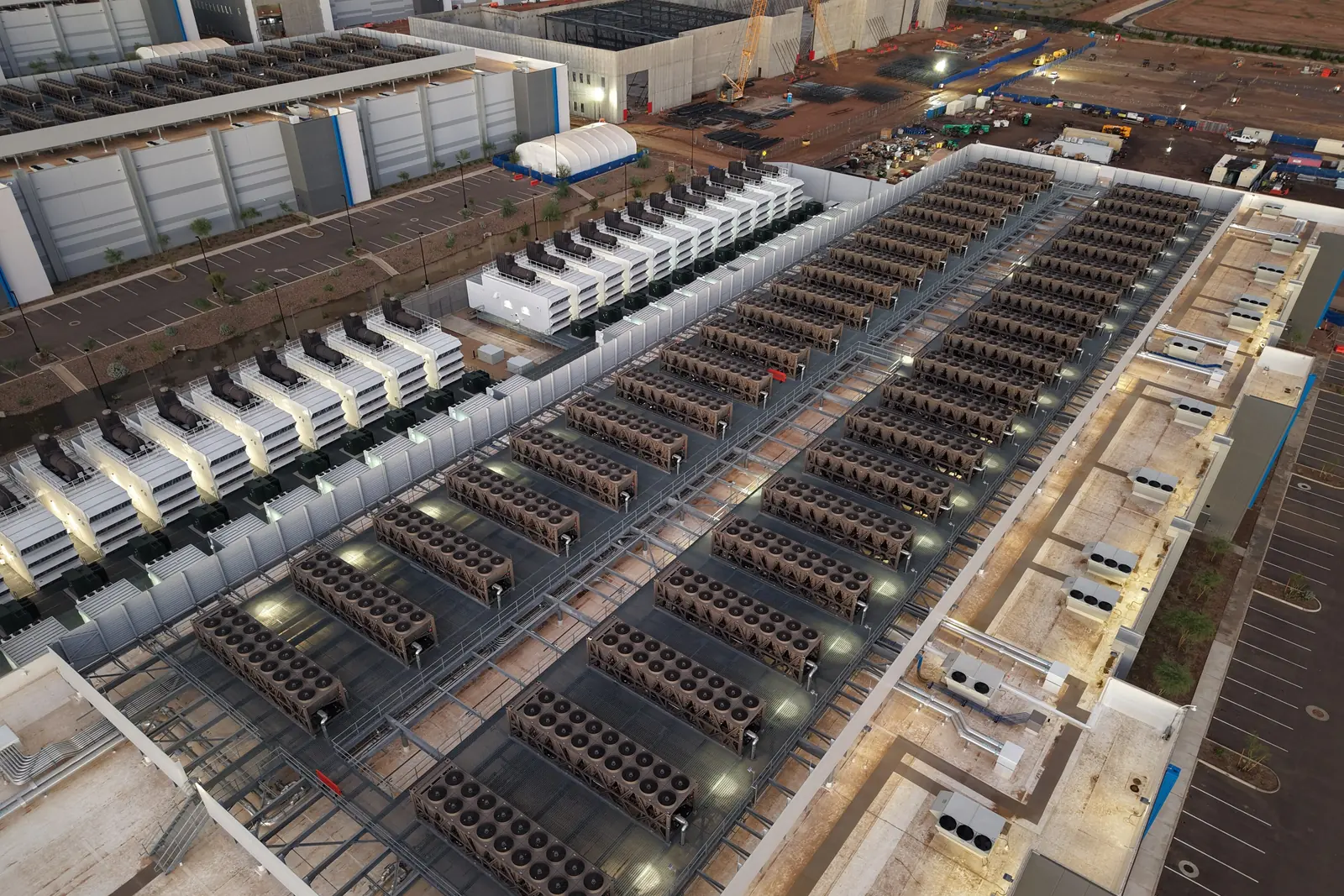
The report singles out AI data centers as one of the fastest movers toward DC. As AI workloads demand more power in less space, the report says standard electrical setups are running into limits. It points to 800 volt DC distribution as the architecture now taking hold in new AI data center builds, since it lets operators pull more computing capacity out of a fixed grid connection while cutting energy losses.
AC will remain the backbone for most transmission and regional distribution, according to the report. Direct current's expanding role is inside facilities, where equipment such as solar panels, batteries and electric vehicles already runs on DC natively. Cutting the number of times power gets converted between generation, storage and use can raise efficiency, free up more capacity from an existing grid connection, and make integration simpler, the report says. Automation-heavy manufacturing plants and commercial buildings can see the same gains, plus better use of onsite solar and storage.
Standards and skills are the barrier, not safety
ABB and BCG say worries about the scale, safety and cost of DC systems rest on outdated assumptions about the technology rather than where it stands today. They point instead to fragmented standards and a shortage of workers trained in DC as the problems that most need attention to speed adoption.
ABB's chief executive, Morten Wierod, said "AC and DC each have important roles to play," and added that together they can help build a more efficient and resilient electrical system.
ABB's history with DC
ABB says it was the first company to show DC's fuel-saving potential on ships, with an onboard DC power system that cut fuel use by up to 27%. It brought out the industry's first solid state circuit breaker in 2022 and now holds more than 700 patents tied to DC technology. ABB is extending DC distribution into electric transport, microgrids and data centers, and is working with industry partners on how DC could support low-carbon aluminum production and green hydrogen production.