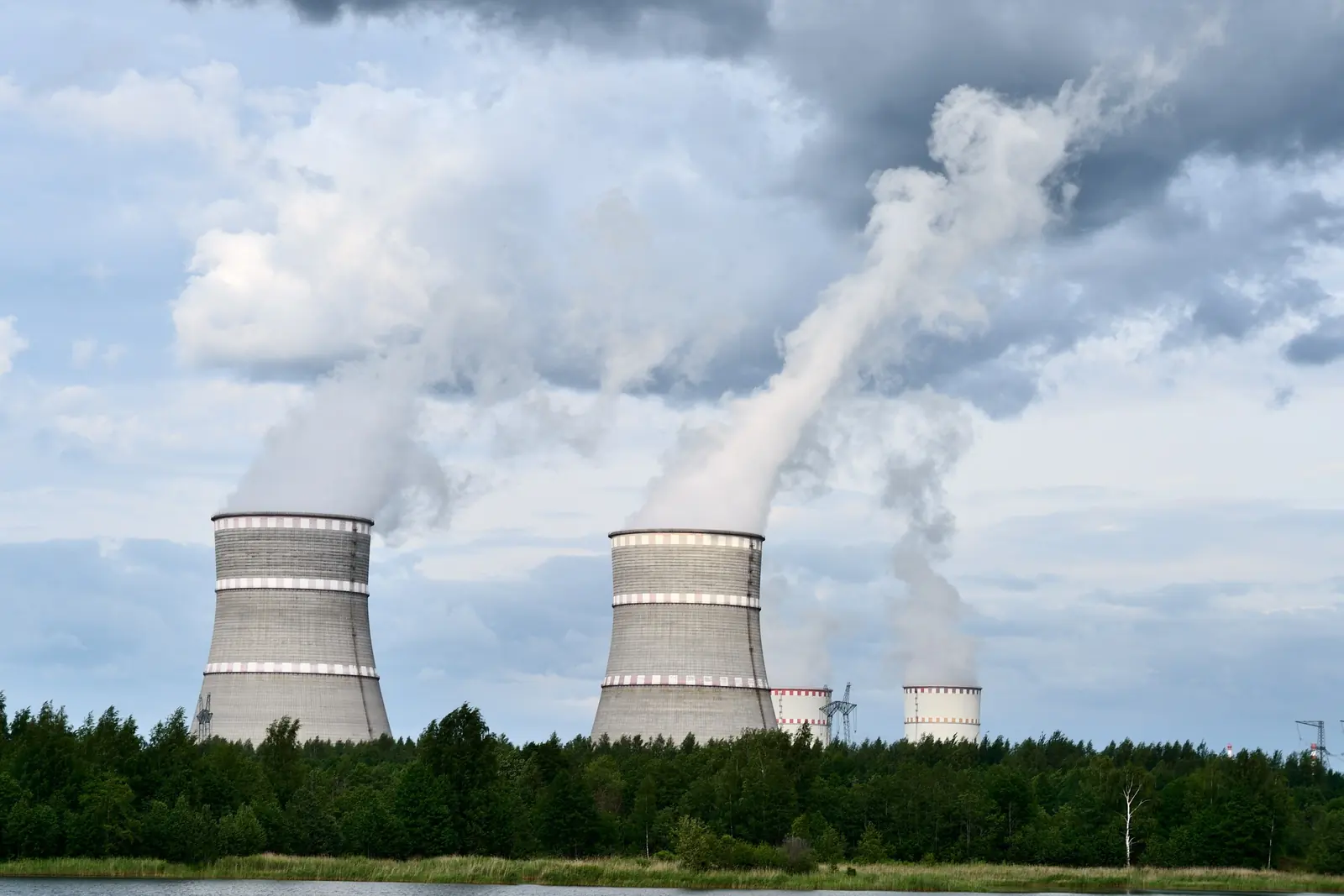
Centrica has extended the operating lives of the Heysham 1 and Hartlepool nuclear power stations by two years, pushing their expected closure to March 2030. Centrica holds a 20% share in the two plants.
Together, Heysham 1 and Hartlepool generate enough electricity to power more than 4 million homes a year. The extensions add about 6TWh of incremental generation for Centrica, and the company said no material upfront capital investment is needed to keep the stations running.
"These stations provide reliable, low-carbon electricity that supports Britain's energy security," said Chris O'Shea, Centrica's group chief executive.
Licensee board made the call
Centrica's licensee board decided to change the closure dates at a meeting on 22 July 2026. Before that decision, Heysham 1 and Hartlepool had been due to move into defueling in March 2028, based on a review completed in September 2025.
Under UK rules, decisions on when a nuclear station stops generating sit with the licensee board, not with the regulator or the government, though the board acts on recommendations. The final dates depend on regular graphite inspections and how the operator and the independent regulator, the Office for Nuclear Regulation, interpret the results.
No change for Torness, Heysham 2
The lifetimes of Torness and Heysham 2 were not reviewed in this process. Their expected closure date stays at March 2030, as Centrica announced in December 2024.
The extensions follow Heads of Terms recently agreed for a 20-year regulated Contract for Difference covering the Sizewell B nuclear station, which is expected to let that plant run from 2035 to 2055. Centrica said the contract with the UK government is expected to be finalized later this year.
O'Shea said the Sizewell B move "further demonstrates the important role nuclear can continue to play" as UK electricity demand grows.