The public comment period on the Federal Energy Regulatory Commission's draft environmental impact statement for Cheniere Energy's Corpus Christi LNG Stage 4 expansion closed Nov. 9. The project has not received final FERC approval.
What Stage 4 would build
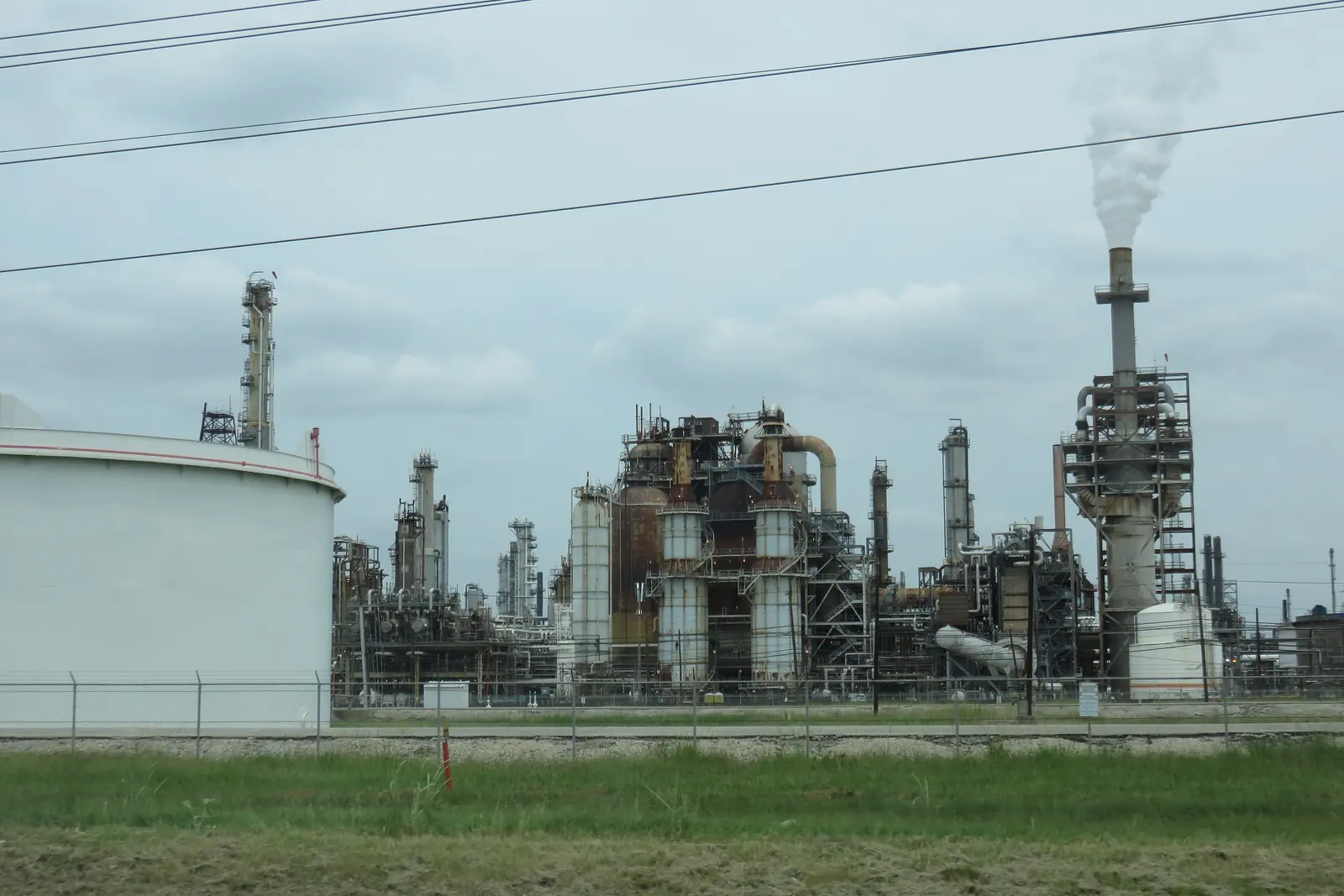
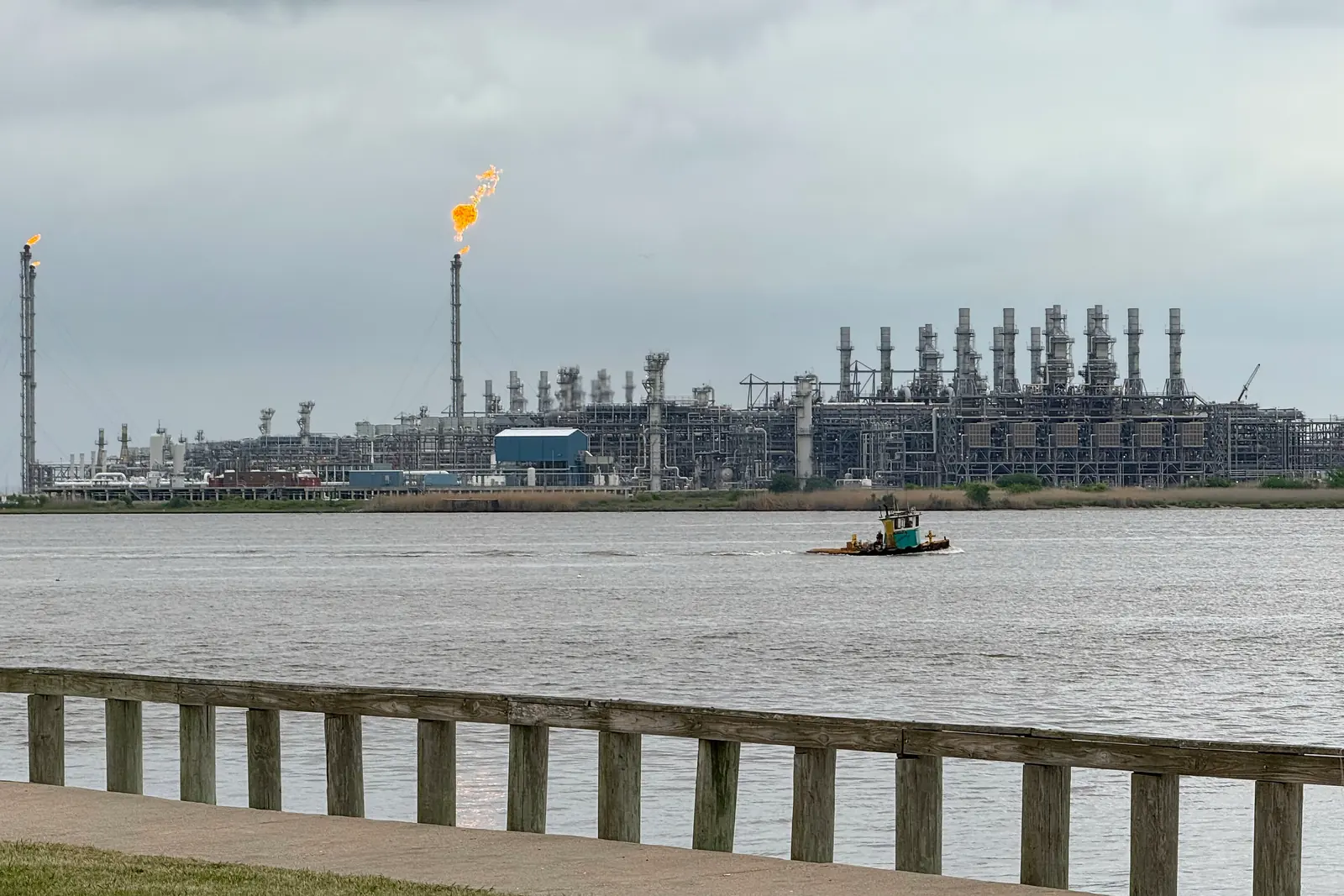
According to FERC, Stage 4 would add four large liquefaction trains, numbered 4 through 7, with a combined peak capacity of approximately 24 million metric tons of LNG a year. The trains would go up at Cheniere's existing Corpus Christi terminal on the La Quinta Ship Channel, in San Patricio and Nueces counties in South Texas.
The plan also includes two full-containment LNG storage tanks, each holding 220,000 cubic meters, plus a new marine loading jetty and additional vessel-loading facilities. Other listed items are seven boil-off gas compressors, inlet air chilling equipment, a new electrical substation, operations buildings, new flare systems and connections to existing terminal infrastructure.
FERC's draft statement says annual LNG carrier traffic at the terminal could rise from approximately 480 to 870 vessel visits, an increase of 390.
Pipeline expansion
A separate component, the Cheniere Corpus Christi Pipeline Expansion Project, is designed to bring more natural gas to the terminal and the planned Stage 4 facilities. It covers about 25.8 miles of new 42-inch-diameter pipeline from the existing Sinton Compressor Station to the Stage 4 site. Cheniere also proposes a Sinton 2 Compressor Station next to the existing one, along with metering stations, valves and related facilities. All of the pipeline expansion facilities would sit in San Patricio County.
Where the review stands
FERC issued the draft environmental impact statement Sept. 18 and opened a 45-day comment period, which ended Nov. 9. The review looks at effects on air quality, water resources, wildlife, land use, cultural resources and nearby communities.
FERC staff concluded the projects would not cause significant long-term adverse environmental effects if the applicants carry out the proposed mitigation measures and environmental protection requirements. Those measures include erosion and sediment controls, wetland and waterbody protection, and construction monitoring.
The commission will weigh the environmental findings, public comments and other regulatory requirements before a final determination. The next major step is FERC's final environmental review and its decision on whether the facilities serve the public convenience and necessity.
The proposed scope covers liquefaction equipment, pipeline construction, compressor stations, storage tanks, marine infrastructure and electrical systems, work that would draw engineering, procurement and construction contractors if the project is approved. The expansion would support LNG exports from the Texas Gulf Coast to international markets.