Capital flowing into the American power grid is projected to double to $150 billion a year by 2030, according to MOCA Systems Inc. (MSI Economics) in its report Recharging America: The Construction Response to Rising Power Demand. But the report separates announced capacity from capacity that is actually being built. Of 12 GW to 16 GW of data-center-related capacity slated for 2026 delivery, only about 5 GW is under construction today.
Four tests for a near-term start
MSI Economics counts a project as a likely 2026 or 2027 start only if it clears four hurdles: a strong grid queue position, an executed interconnection agreement, secured equipment reservations and fully committed financing. The headline figure it is weighed against is a $1.25 trillion data center pipeline.
Equipment, steel and queues set the pace
Large power transformer lead times have grown from a pre-2020 norm of 24 to 30 months to as long as 128 weeks. Generator step-up transformers run to 144 weeks. Heavy-frame gas turbines carry lead times of five to seven years. Grain-oriented electrical steel, the core material in transformers, leans on a single domestic producer, and imports make up roughly 80% of U.S. demand.
Interconnection queues add delay. Projects spend a median of 46 months in the ERCOT queue and nearly 100 months in California.
Where the demand sits
ERCOT, PJM Interconnection and MISO together account for about 87% of MSI's implied generation construction demand. Texas alone expects peak demand to rise 46.8% through 2030, tied to an estimated $76.2 billion of generation construction.
Electrician demand from data centers and power projects is outpacing supply, and average hourly earnings are rising more than 7% a year. Industrial, LNG, semiconductor and tech employers are bidding for the same skilled workers.
Spillover to LNG and downstream
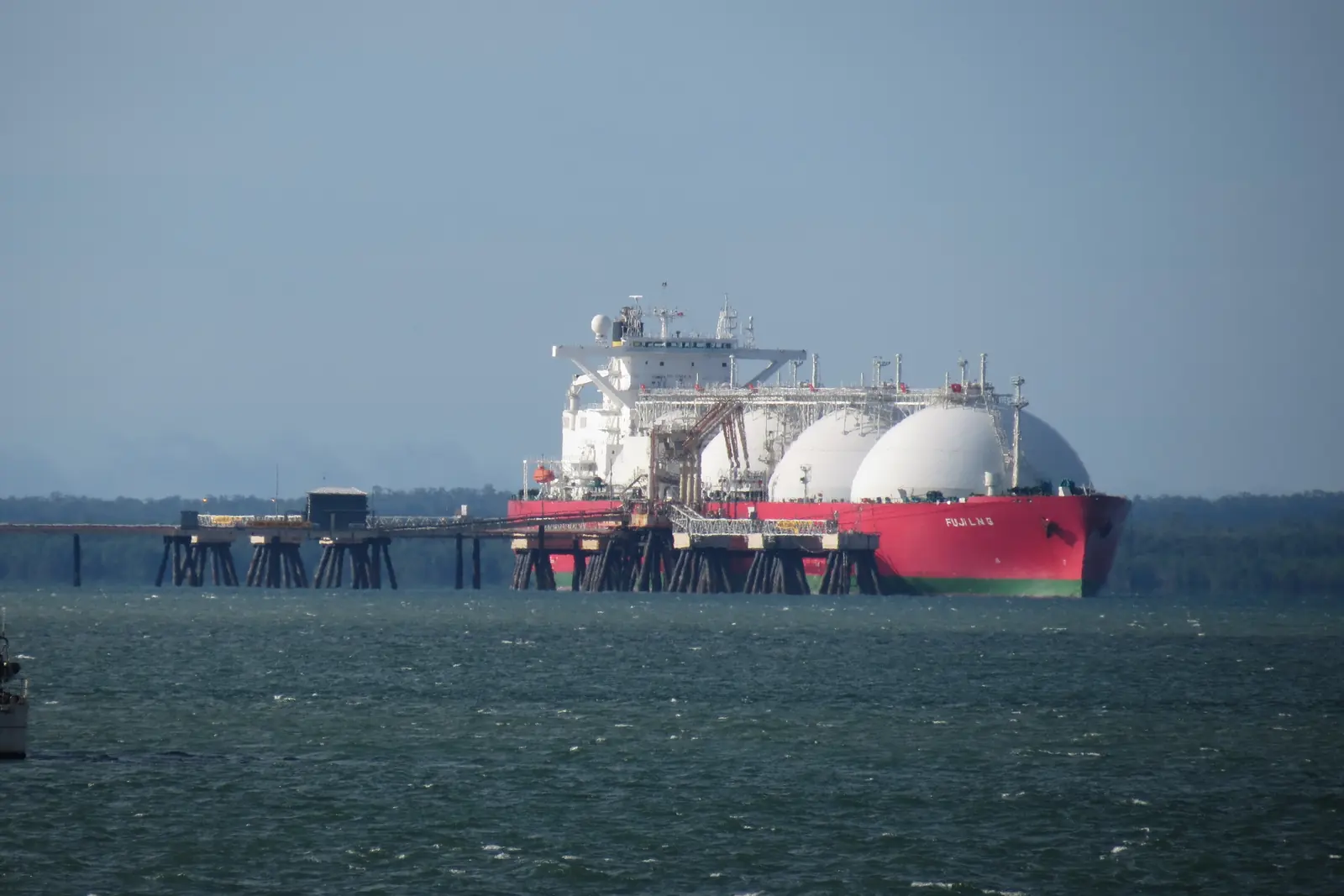
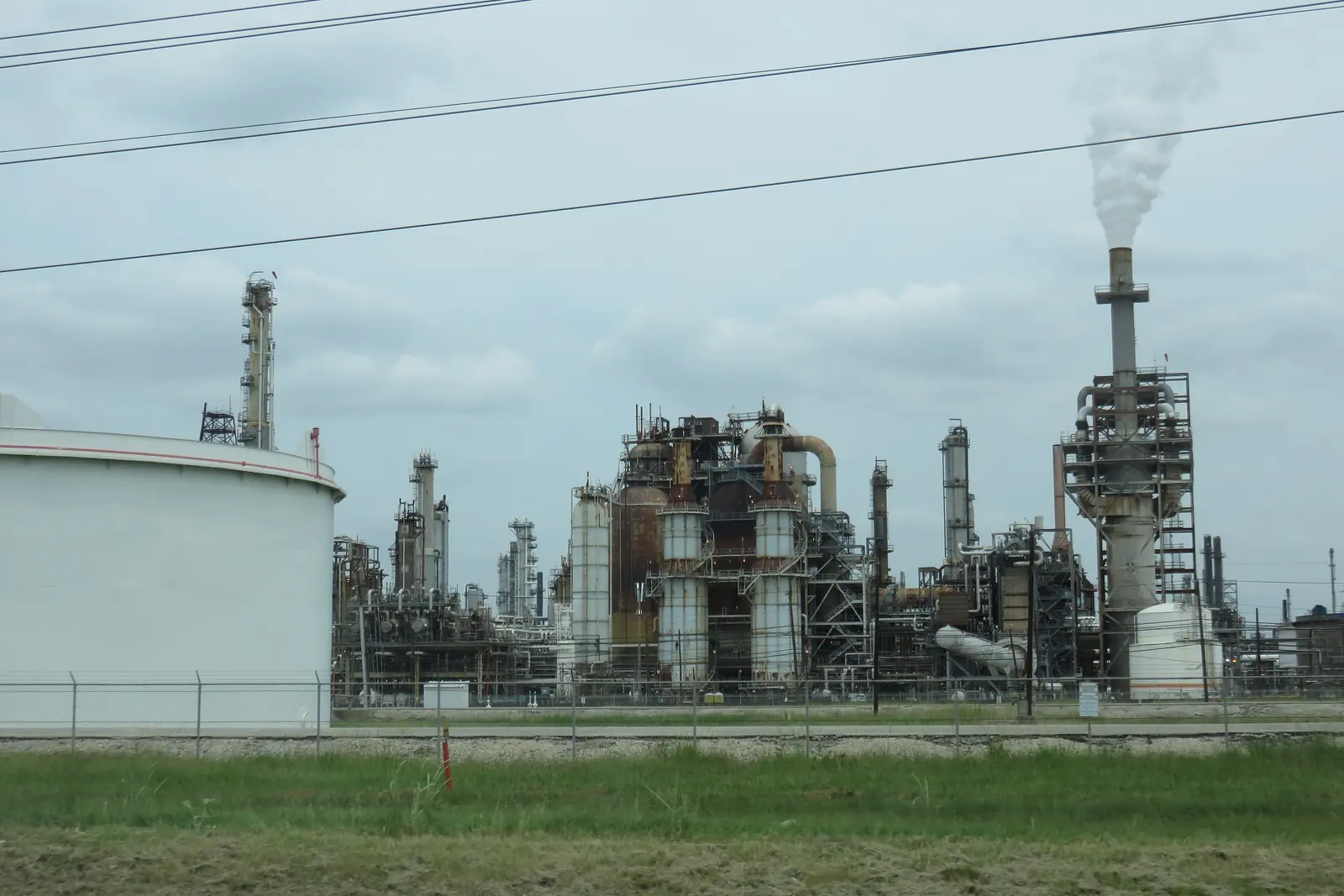
Refining, petrochemical and LNG export expansions draw on the same equipment supply chains and labor pools as the power and data center buildout. Power readiness has become a primary schedule risk for LNG projects.
Generating power on site
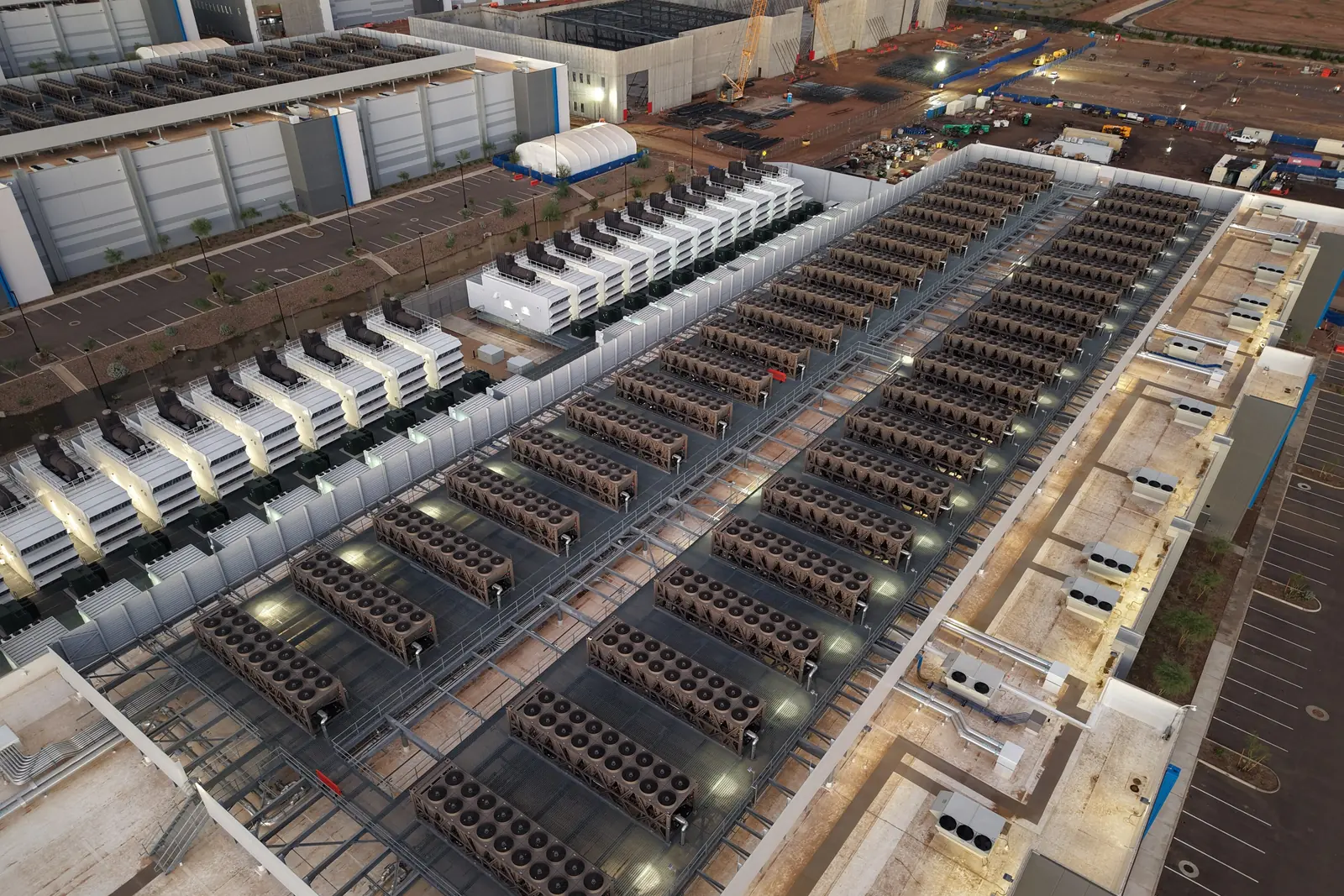
A risk report from insurance broker Howden projects that behind-the-meter generation at user sites could supply roughly 10 GW, about 25% of U.S. hyperscale data center power, by 2030. Oracle's Project Jupiter campus in southern New Mexico moved to a Bloom Energy fuel-cell microgrid paired with renewable procurements. MSI Economics expects relief as manufacturing capacity expands around 2028.