Orcadian, a North Sea-focused, low-emissions oil and gas exploration and development company with five licenses in its portfolio, has started the assessment phase for its Earlham and Orwell gas fields, which it holds 100% under license P2680 in the North Sea, and plans to submit a Concept Select Report for the two fields. Its preferred concept is an offshore power station with carbon capture, fueled by gas from both fields, generating power for a co-located 200 megawatt data center as the first phase of what it calls the 'Earlham Gigagrid.'
Earlham's gas is 49% carbon dioxide, which Orcadian says makes conventional pipeline export unattractive. Rather than pipe the gas out, the plan is to generate power at the field, capture the carbon dioxide, and reinject it into the Earlham reservoir. Orcadian says that high carbon dioxide content shows the reservoir can hold gas over geological timescales, and that reinjection would also support reservoir pressure and recovery.
Orcadian puts Earlham's P50 methane resource at 114 billion cubic feet (bcf), with a redevelopment of the previously depleted Orwell field adding a further 31 bcf. The company describes the Earlham discovery as a high-quality Leman sand accumulation, with net-to-gross of about 95 percent (the share of the rock column capable of holding gas) and porosity of 18 percent (the share of that rock that is open pore space). Under the plan, the gas would be monetized over the operating life of the data center.
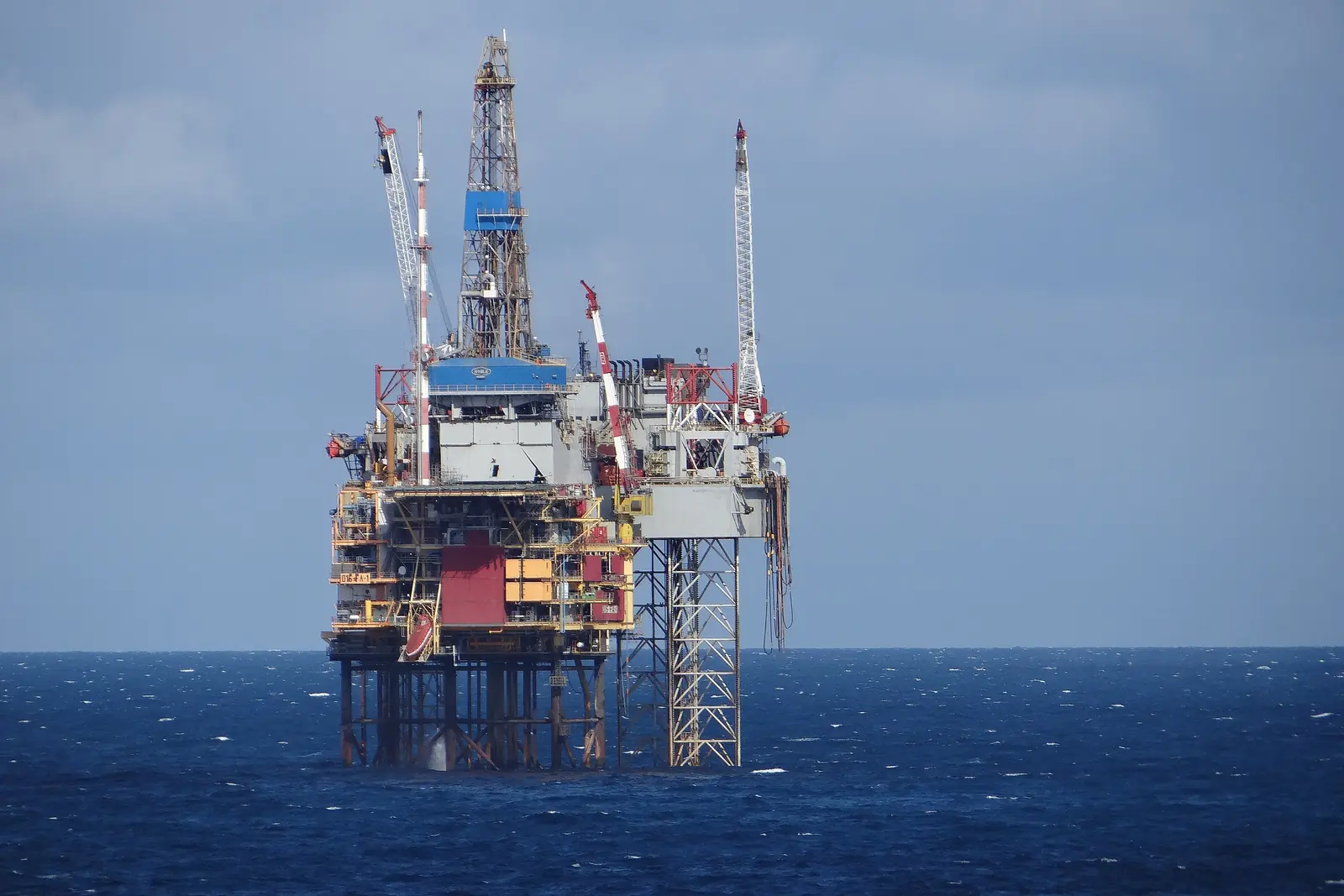
The offshore build
The layout Orcadian expects to favor pairs a wellhead platform, supporting two production wells and one carbon dioxide injection well, with a bridge-linked power station platform and a separate data center platform. The company says the final configuration should not be prejudged. Development still needs a Letter of No Objection from the North Sea Transition Authority for the chosen concept, plus other approvals, including any required carbon storage license.
Orcadian is setting up a new company, Earlham Gigagrid Ltd, to incubate the project, and plans to assign its 100% interest in license P2680 to a Gigagrid subsidiary once that assignment is approved. The company says the structure lets outside investors put money directly into the power station and data center without diluting Orcadian shareholders' stakes in its viscous oil projects or Central North Sea gas prospects.
Orcadian expects the eventual builders of the power station and data center to come from hyperscale cloud providers such as Google, Amazon, Meta and Microsoft, or from neo-scale specialists including CoreWeave, Nebius, Lambda Labs, Crusoe Cloud and Vultr.
The Directors list three advantages to building offshore:
- distance from population centers
- cooling systems next to the sea, a natural heat sink
- easing the need for new transmission and distribution links, since the site would generate its own power without a grid connection
Orcadian also says it sees room for a follow-on build of multiple power station and data center halls that could together supply more than a gigawatt of dispatchable low-carbon power, without adding stress to the national grid.
A loan repayment deferred
Separately, Orcadian's subsidiary Orcadian Energy (CNS) Ltd has agreed a deferred repayment schedule with The Independent Power Corporation Limited covering all amounts it owes, about £1.34 million including capitalized interest as of 30 June 2026. The debt is now due in full by 31 December 2027, with interest fixed at 8.5% a year, and is secured by fixed and floating charges over Orcadian's interests in licenses P2244 (Pilot) and P2680.