Publicly traded companies made up just 2% of the roughly 12,000 companies producing crude oil and natural gas in the Lower 48 states in 2025, yet they accounted for 68% of total output, the U.S. Energy Information Administration said, citing data from Enverus.
Higher-quality acreage explains part of the advantage: public producers' land yields more oil and gas per well than private companies' holdings do. Their larger size also gives them economies of scale, which lowers the cost of production. As a result, public producers generally report lower breakeven prices, the minimum price needed to cover operating costs, than private companies.
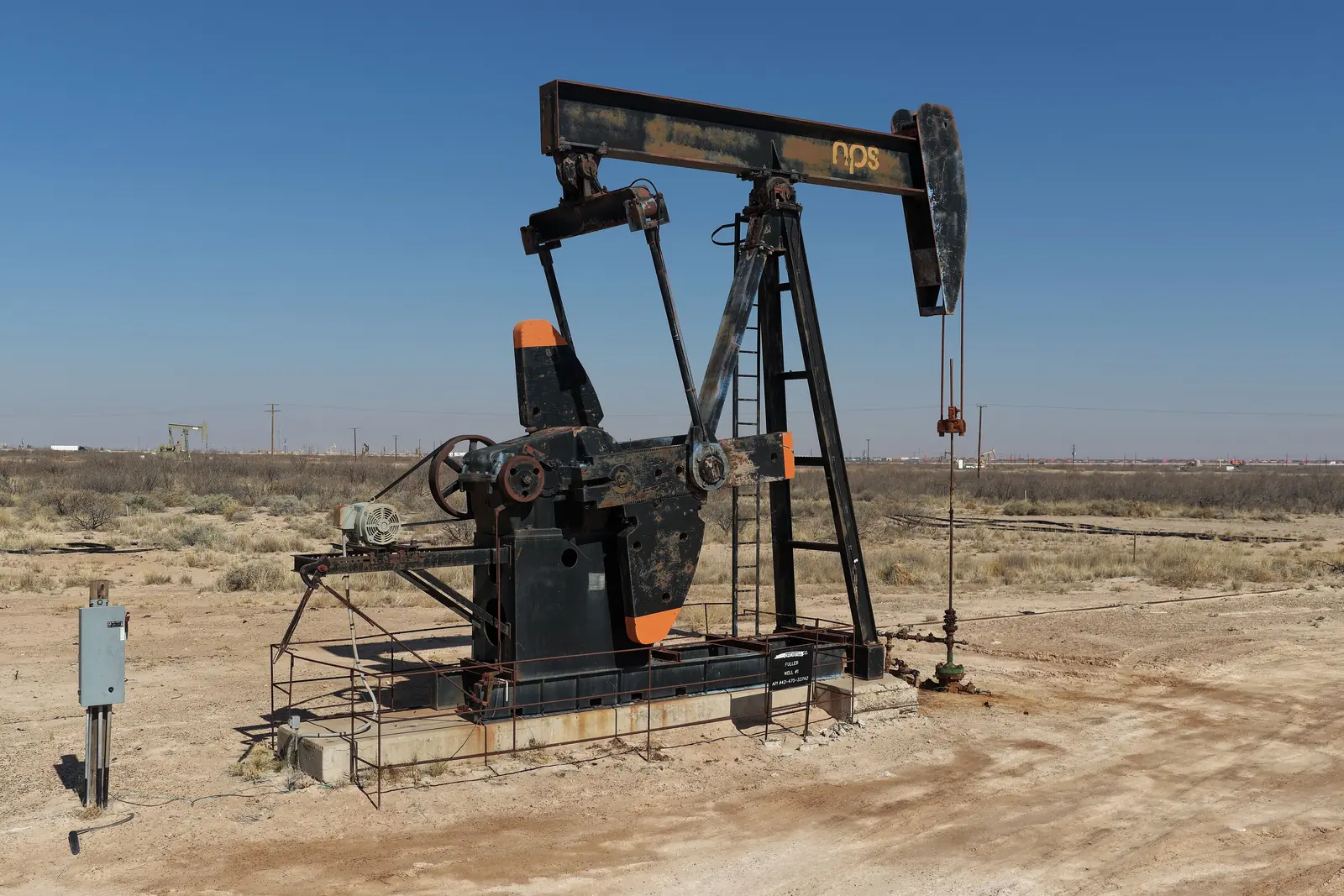
Well counts show the same skew. The 12 companies with the most wells make up less than 1% of all producers, yet each operates a fleet of anywhere from 10,000 to more than 50,000 wells, with average output of 39,000 barrels of oil equivalent per day per well. Most operators sit at the other extreme: 64% run 10 or fewer wells, almost all of them stripper wells, aging low-volume wells nearing the end of their productive life, producing under 15 barrels of oil equivalent per day.
Public dominance by region
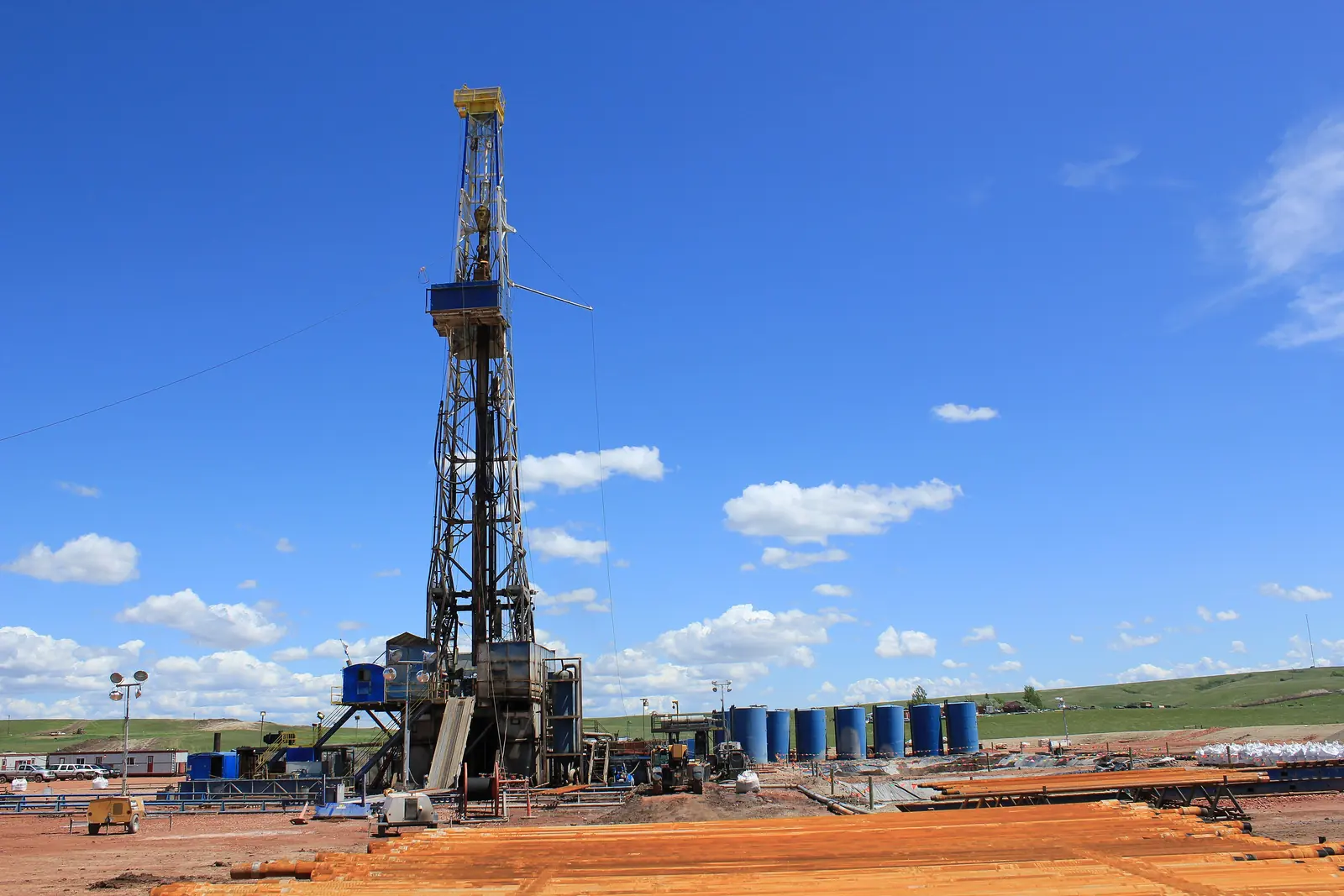
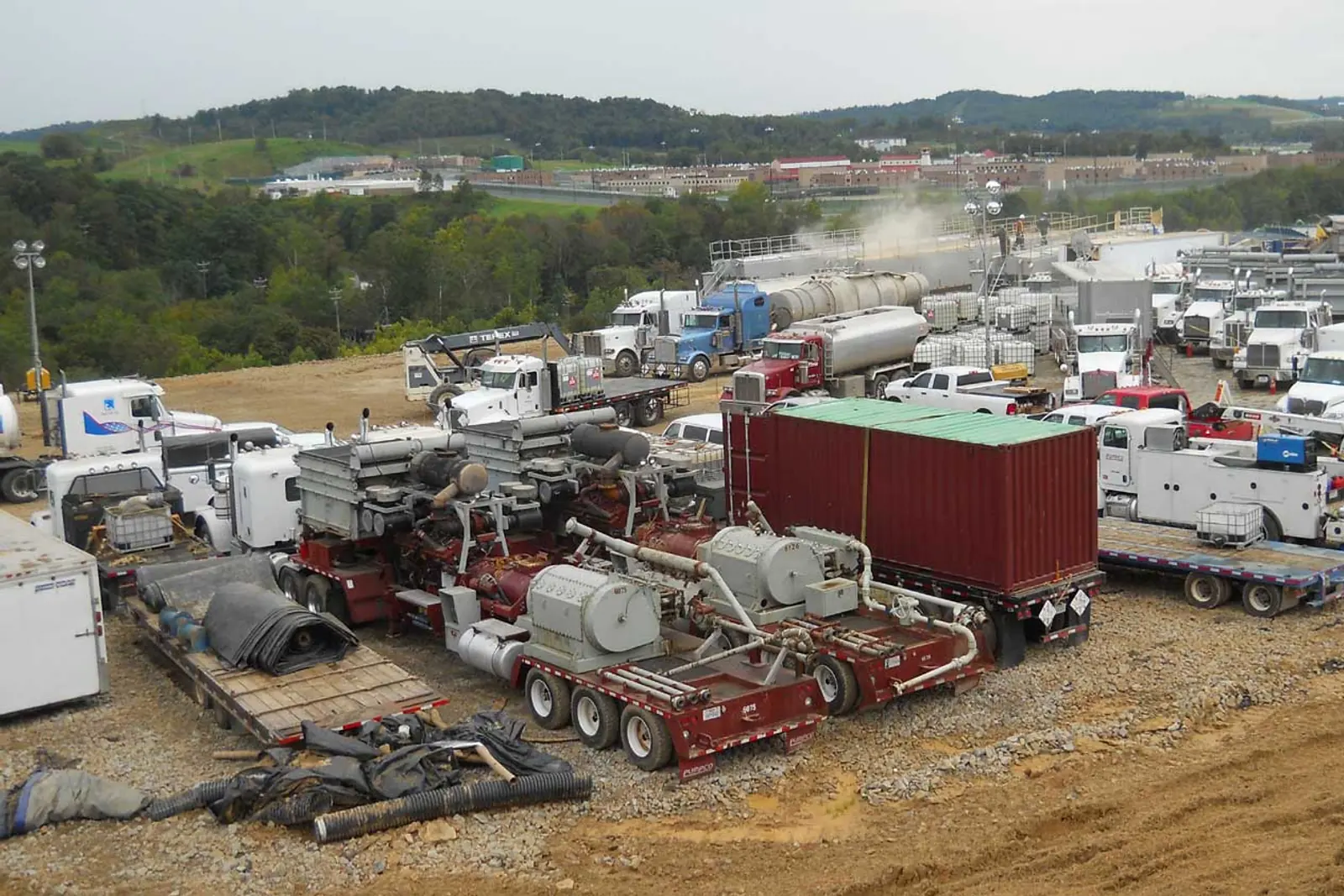
The public share of production is highest in the Appalachia and Permian regions. In Appalachia, a region covering the northeastern United States, public companies control just 1% of active operators yet produce nearly five times as much oil and natural gas as private companies do. In the Permian, which spans New Mexico and Texas, public companies are only 3% of active operators but produce four times as much oil and gas as private companies.
The Haynesville exception
The Haynesville region, which straddles Texas and Louisiana, is the only major U.S. producing region where private companies hold the majority of output, at 55%. The top five private natural gas operators in the Haynesville produced 38% of the region's gas, or 5.8 billion cubic feet per day. The top five private crude oil producers accounted for 30% of the region's crude output, or 10,000 barrels per day.