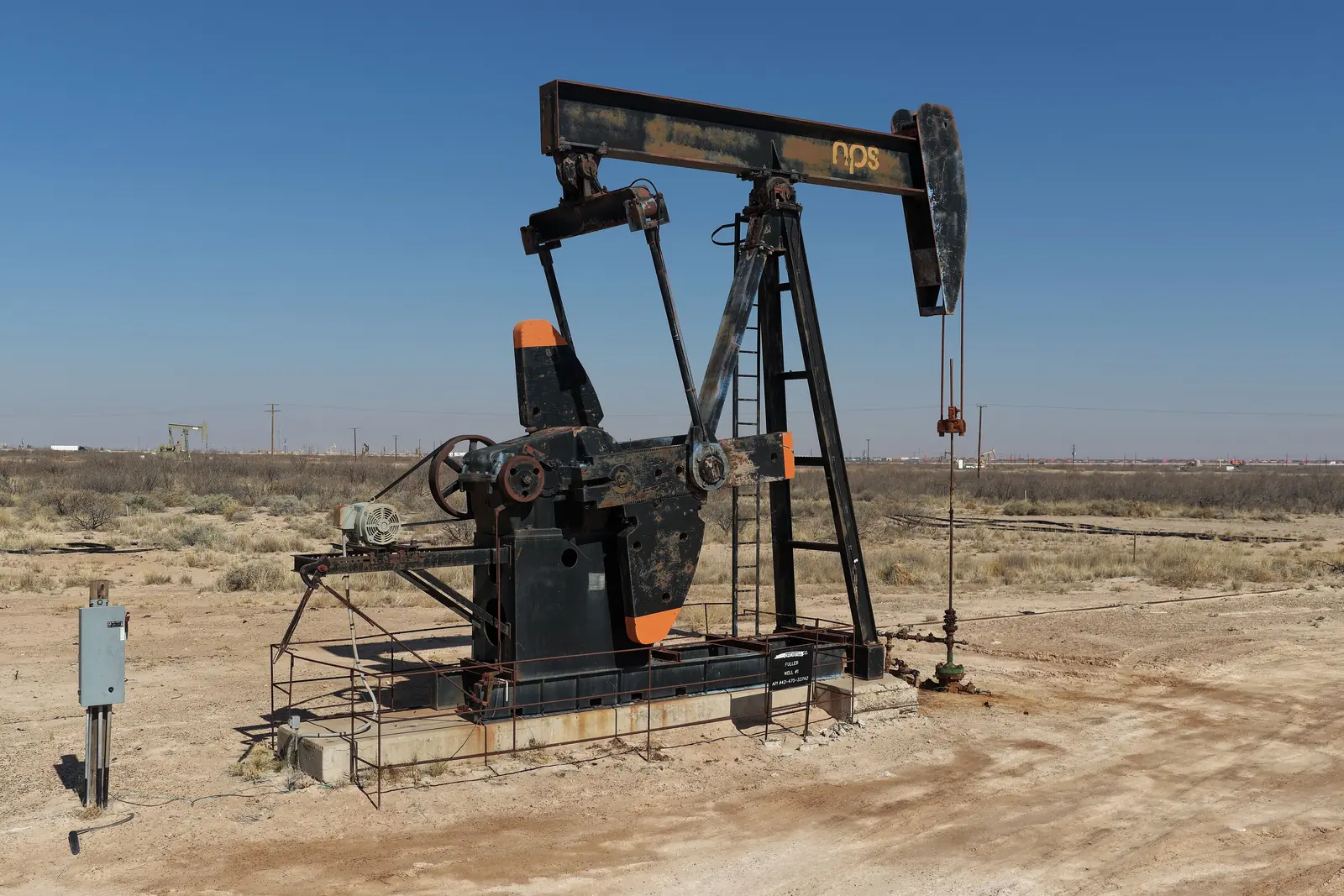
Advanced treatment can bring produced water from Texas oil and gas wells up to the standards needed for uses outside the oil field, according to research from the Texas Produced Water Consortium at Texas Tech University. The study found that treated produced water can meet standards for land application on crops, industrial use, and discharge into rivers and streams.
Produced water is the water that naturally occurs in deep rock formations and comes to the surface along with oil and gas during production. In the Permian Basin, one of the most productive oil and gas regions in the world, millions of barrels surface each day as a byproduct.
Irrigation is the biggest opportunity
Agriculture accounts for about 75% of total water use in the Permian Basin region, which the research points to as a prime opportunity for reusing treated produced water through irrigation. Treated water could also support rangeland restoration, industrial facilities and power generation.
A $20 billion water fund and a cost gap
In November 2025, Texas voters approved a ballot proposition that allocates $20 billion toward long-term water and infrastructure projects over the next two decades. Operators already recycle produced water within their own oilfield operations, and that has cut freshwater use significantly over the past decade.
Treating produced water for use outside the oil field costs about double what it costs to dispose of the water, and cost remains a major obstacle to wider use. Pilot treatment facilities have been running in the Permian for some time.
Regulators are consolidating permitting
Texas regulators are moving to put land application permitting for produced water under the Texas Commission on Environmental Quality.