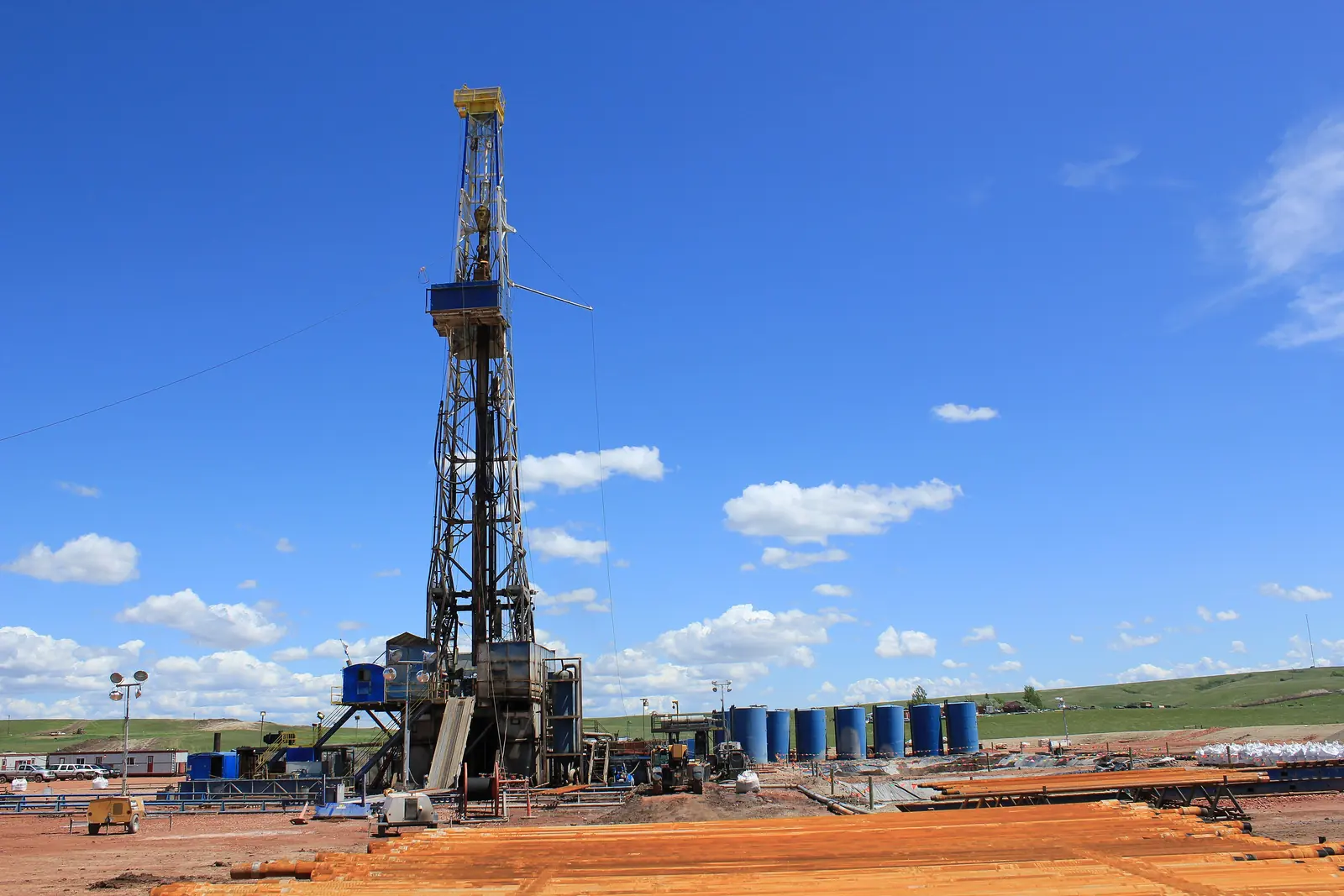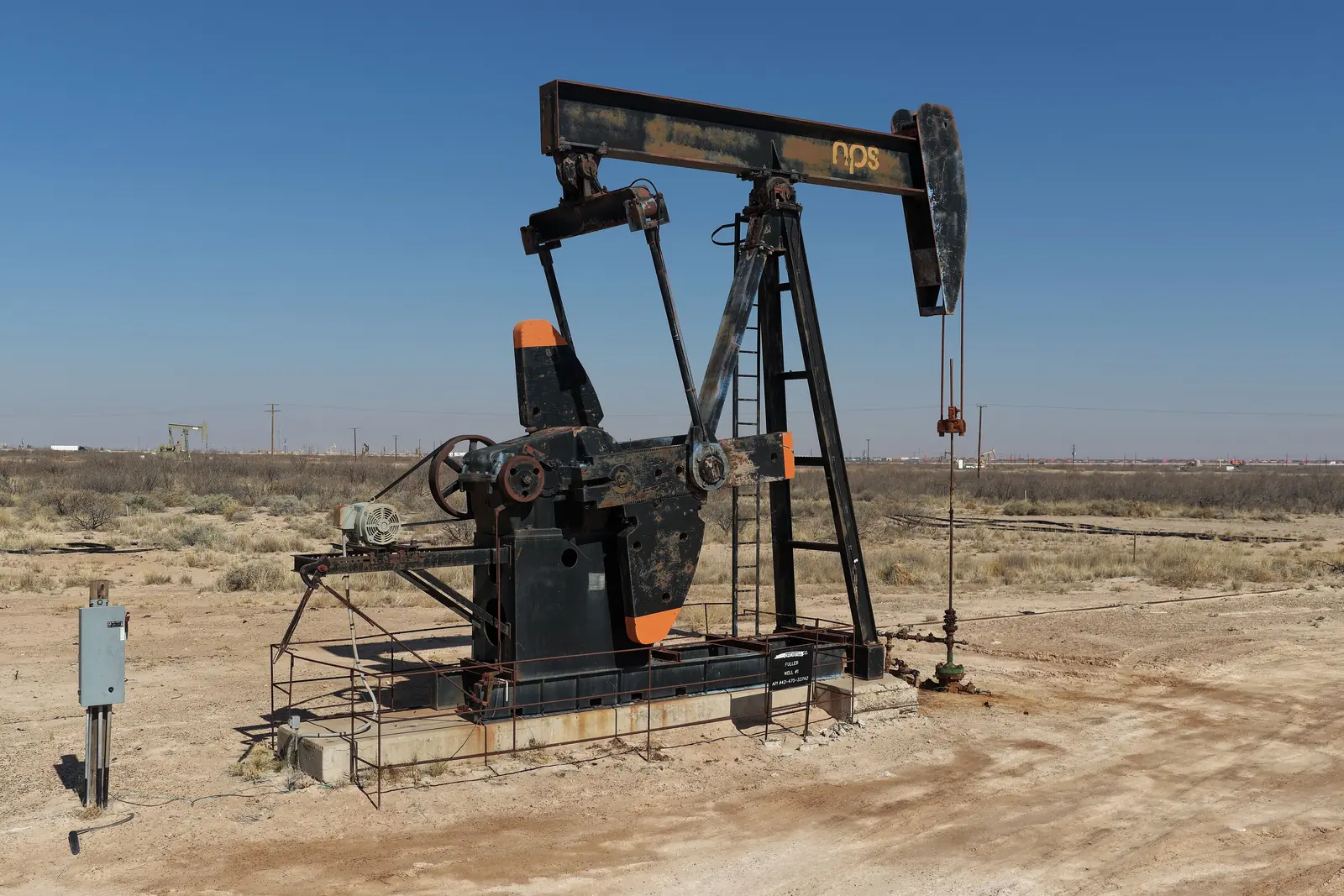
Permian Basin production rose from 2.9 million to 11.2 million barrels of oil equivalent per day, or boed, between 2015 and 2025, even though the number of new wells drilled there has stayed about the same, the U.S. Energy Information Administration said last week. EIA said operators are "getting more oil and gas out of the ground by drilling longer horizontal wells."
A lateral is the horizontal section of a well that runs through the rock layer holding oil and gas. A longer lateral reaches more of that rock, so a single well can produce more before an operator needs to drill another one, which means fewer wells and less spending on overhead.
The mix of well lengths shifted fast
The lengths of wells completed in the Permian changed sharply between 2015 and 2025, according to EIA:
- Wells under 5,000 feet: 43% of completions in 2015, down to 4% in 2025
- Wells from 5,000 to 15,000 feet: 57% of completions in 2015, up to 90% in 2021, then 81% in 2025
- Wells longer than three miles: virtually nonexistent before 2020, then 15% of new completions in 2025
Super lateral wells take hold
EIA said operators are increasingly drilling so-called "super lateral wells" that stretch beyond 15,000 feet. The Permian ranks among the most productive unconventional oil and gas basins worldwide.
We reported last month that Permian well laterals grew 77% over the decade as super-long wells take hold.