Kinder Morgan (NYSE: KMI) reported record third-quarter net income attributable to KMI of $764 million, up from $628 million a year earlier. Adjusted EPS was $0.35, 21% higher than the third quarter of 2025, and the company said its expansion project backlog now stands at $14.4 billion, the largest natural gas portion in its history.
Quarterly results
Adjusted Net Income Attributable to KMI, which excludes Certain Items, came to $792 million, 22% above the prior-year quarter. Adjusted EBITDA was $2.18 billion, up 9%. Reported EPS was $0.34, also up 21%.
The board approved a dividend of $0.2975 per share for the quarter, or $1.19 annualized. That is 2% higher than a year ago. It is payable on November 16, 2026, to holders of record on November 2, 2026.
CEO Kim Dang said the company has generated $5 billion of cash flow from operations this year and free cash flow, after capital spending and dividends, of $230 million. Net Debt-to-Adjusted EBITDA ended the quarter at 3.5 times, which she described as the low end of the company's target range.
Backlog grows by $4.7 billion
The backlog rose $4.7 billion from the second quarter. That reflects $5.4 billion of additions, less $700 million of projects that entered service. Natural gas projects account for $13.2 billion of the total, and more than 75% of the whole backlog supports power generation and local distribution company demand.
Two projects were added. Southern Natural Gas reached a final investment decision on its Southeast Connector, designed to move up to 2.6 Bcf/d and including about 470 miles of new pipeline plus new and expanded compression. Kinder Morgan's share of the cost is expected to be $3.1 billion, and service is expected to begin in phases from the fourth quarter of 2030, subject to permits and approvals. Dang said the line will bring Marcellus and Utica supply to the Southeast.
The second addition is the Permian Link on Natural Gas Pipeline Company of America, designed to carry more than 2.5 Bcf/d. Dang said both projects will rank among the largest gas pipelines built in decades. She also pointed to the Western Gateway Pipeline, announced in August, which would deliver refined products to Arizona and, by pipeline for the first time, to California.
On returns, the company excludes its CO2 enhanced oil recovery and gathering and processing projects from the multiple calculation. For the remaining $13.7 billion, mostly take-or-pay, it expects an aggregate first-full-year Project EBITDA multiple of about 5.7 times.
Volumes by segment
President Dax Sanders said natural gas transport volumes rose 3% on LNG deliveries on Tennessee Gas Pipeline and stronger demand on the Texas Intrastate system. Gathering volumes rose 14%, mainly on KinderHawk.
In Products Pipelines, refined products volumes fell 3%. Crude and condensate volumes fell 11%, because of lower gathered volumes in the Bakken and the conversion of the Double H pipeline to natural gas liquids service. Sanders said legal, environmental and other accruals, treated as Certain Items, more than offset the segment's gain from commodity pricing.
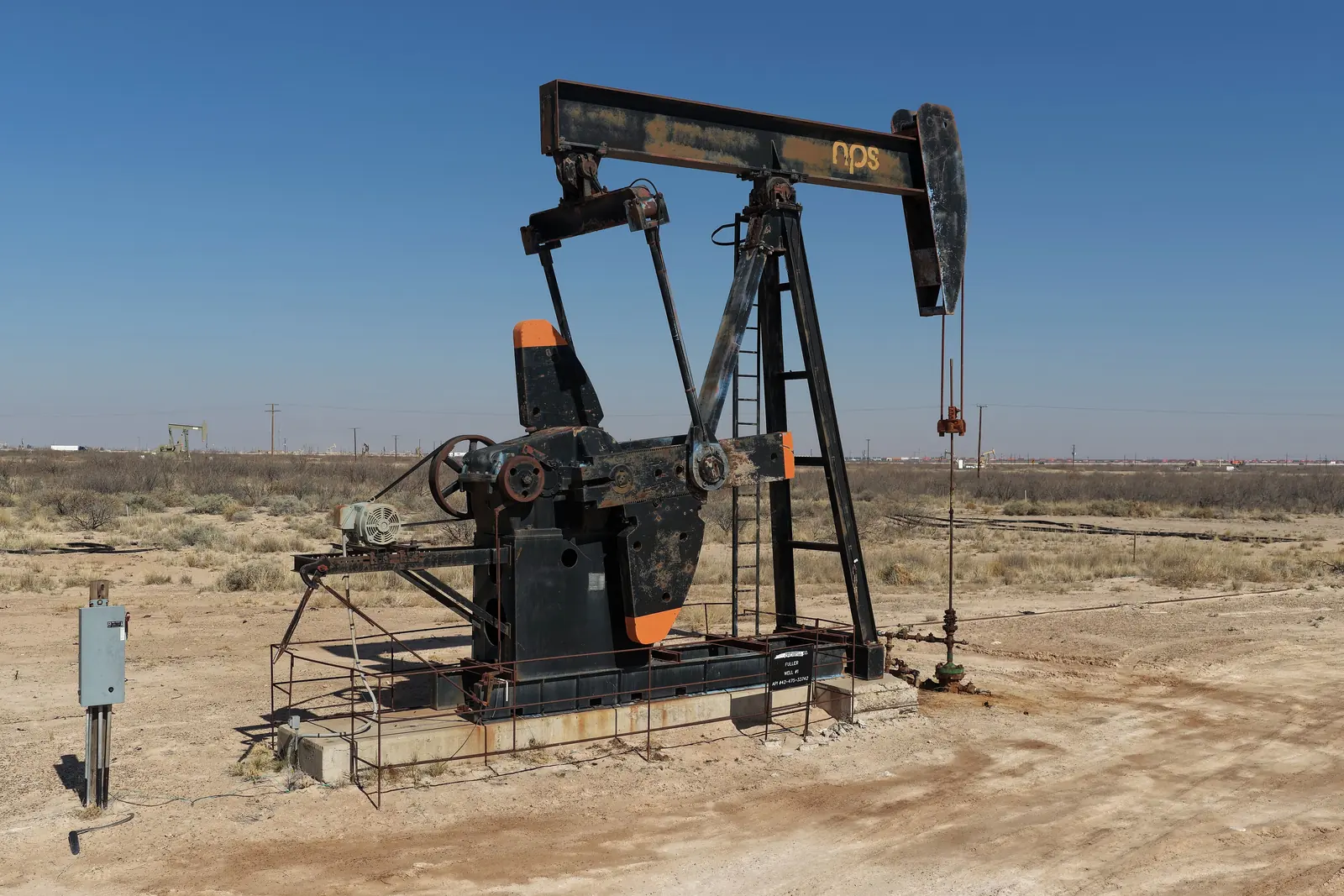
Terminals earnings rose on liquids expansion projects placed in service, higher commodity prices, coal and petroleum coke handling, and higher Jones Act tanker rates. In the CO2 segment, volumes at SACROC, the largest field, were up 11%, and NGL sales volumes rose 9%.
Outlook and financing
Kinder Morgan budgeted 2026 net income of $3.1 billion, Adjusted EPS of $1.36 and Adjusted EBITDA of $8.6 billion, with dividends of $1.19 per share. It now expects to beat budget by more than 6% on Adjusted EBITDA and more than 13% on Adjusted EPS. Year-end leverage is projected at 3.6 times, against a budgeted 3.8 times.
On August 6, 2026, the company issued $1.15 billion of 5.55% senior notes due August 2036 and $600 million of 6.15% senior notes due August 2056. Proceeds went to repay commercial paper and maturing debt and to general corporate purposes.