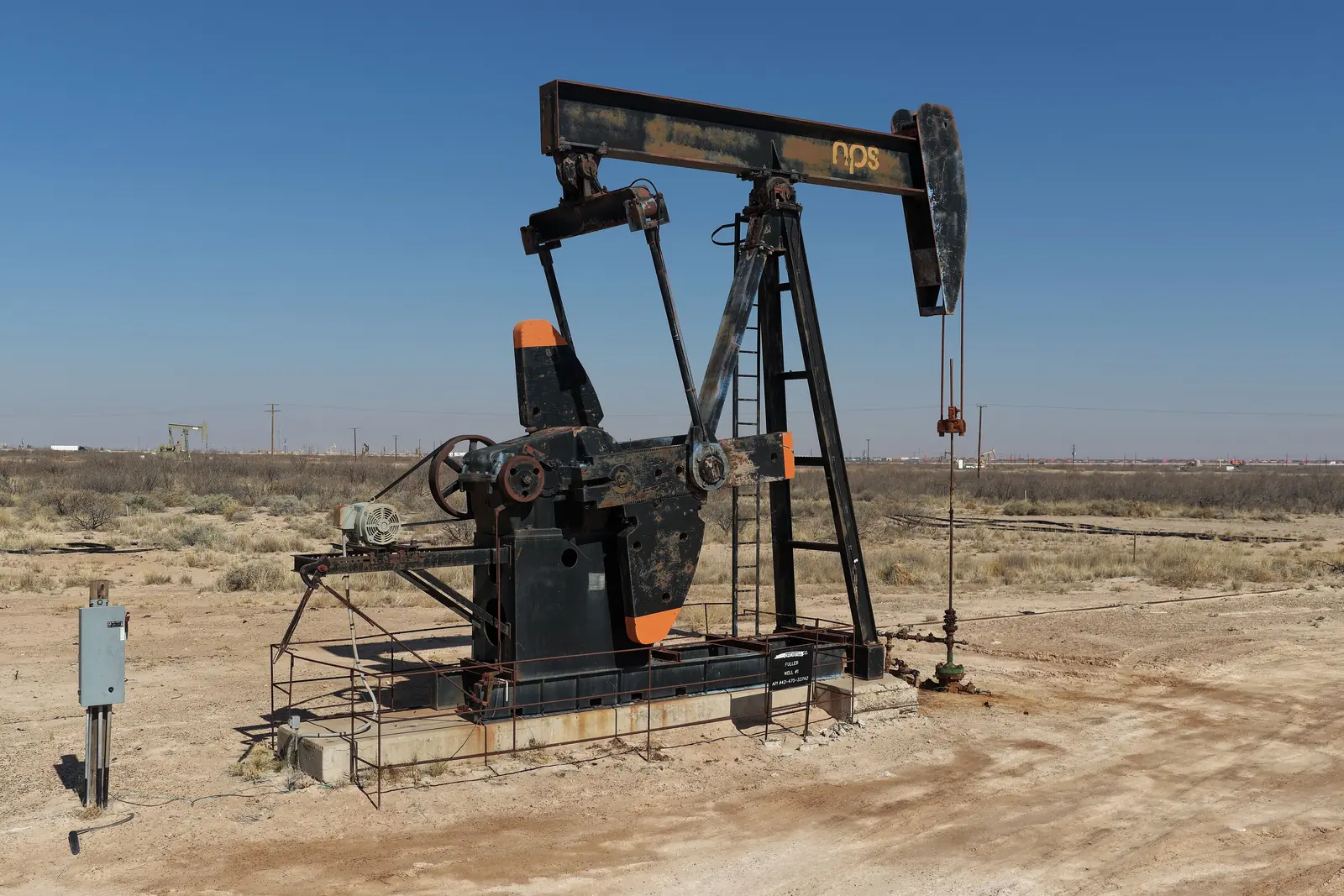
The U.S. rig count turned higher in the week of July 31 after a decline, Baker Hughes said in its weekly report. The national total rose to 588, up one from the prior week and up 48, or 8.89 percent, from a year earlier.
The gain was led by the Permian Basin, the largest region in the report, which added two rigs to reach 260, up one from a year ago. Texas, the largest state total, rose one rig to 273, up 28 rigs, or 11.43 percent, from a year earlier.
Regional and state breakdown
| Area | Rigs | Week change | Year change |
|---|---|---|---|
| U.S. | 588 | +1 | +48 (8.89%) |
| Texas | 273 | +1 | +28 (11.43%) |
| Permian Basin | 260 | +2 | +1 |
| New Mexico | 96 | flat, 3rd week | flat |
| Haynesville | 56 | flat, 2nd week | - |
| Eagle Ford | 49 | +2 | +10 |
| Oklahoma | 50 | flat | - |
| Louisiana | 38 | +1 | - |
| Williston | 27 | flat | - |
| Marcellus | 25 | +1 | - |
| North Dakota | 24 | flat | - |
New Mexico held at 96 rigs for a third straight week, matching its count from a year ago. Haynesville held at 56 rigs for a second straight week, the second-highest regional total behind the Permian Basin. Eagle Ford, in south Texas, added two rigs to reach 49, up 10 from a year earlier. Oklahoma held at 50 rigs, the third-highest state total. Louisiana added one rig to reach 38, and North Dakota held at 24.
In broader markets, WTI crude traded at $84.65 a barrel and Henry Hub natural gas at $3.06 per MMBtu as of June 15, 2026, according to the U.S. Energy Information Administration. The national rig count stood at 562 on that date, Baker Hughes data show, putting the July 31 total 26 rigs higher than mid-June.
We reported last month that the U.S. rig count rose to 580 as Permian added three rigs.