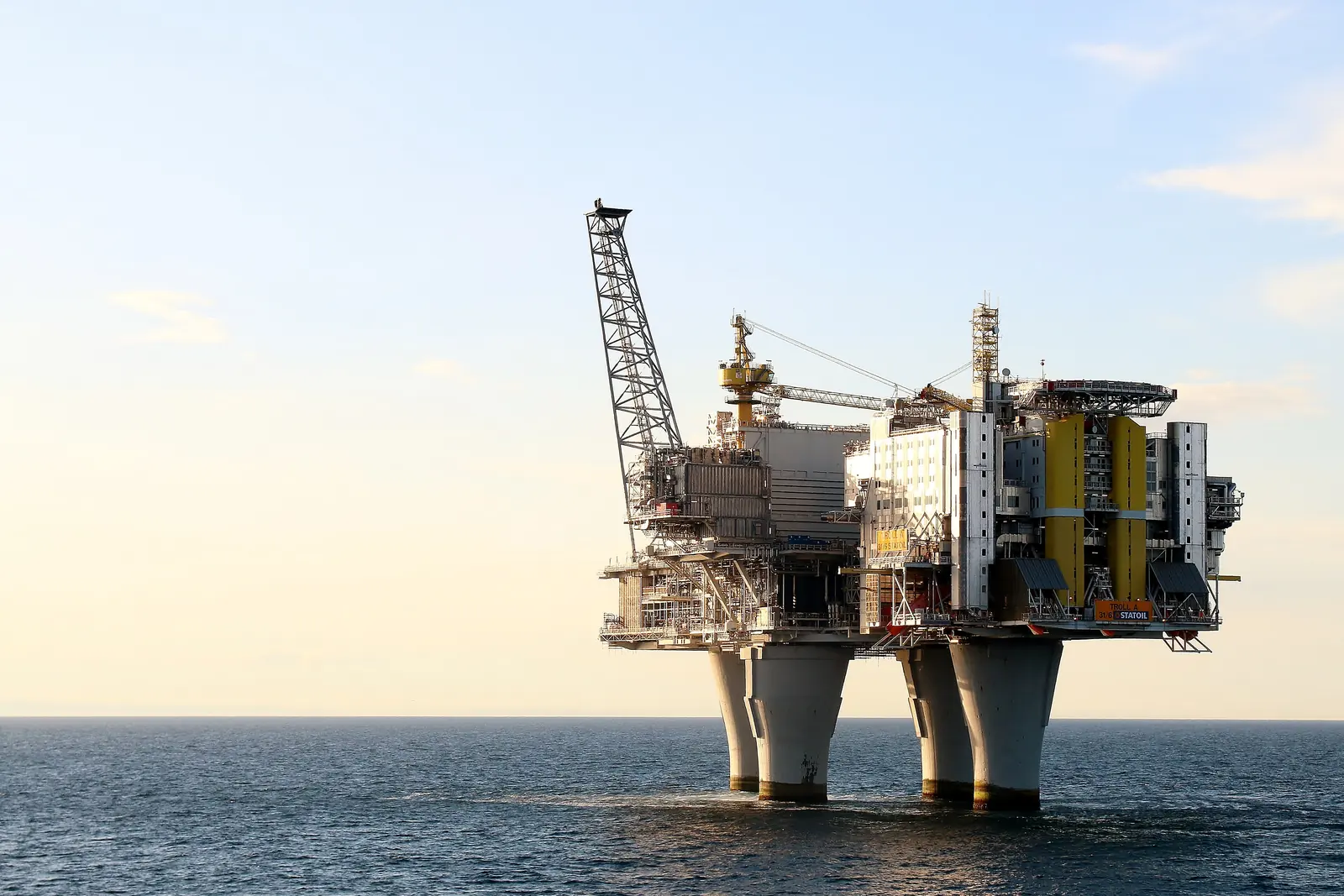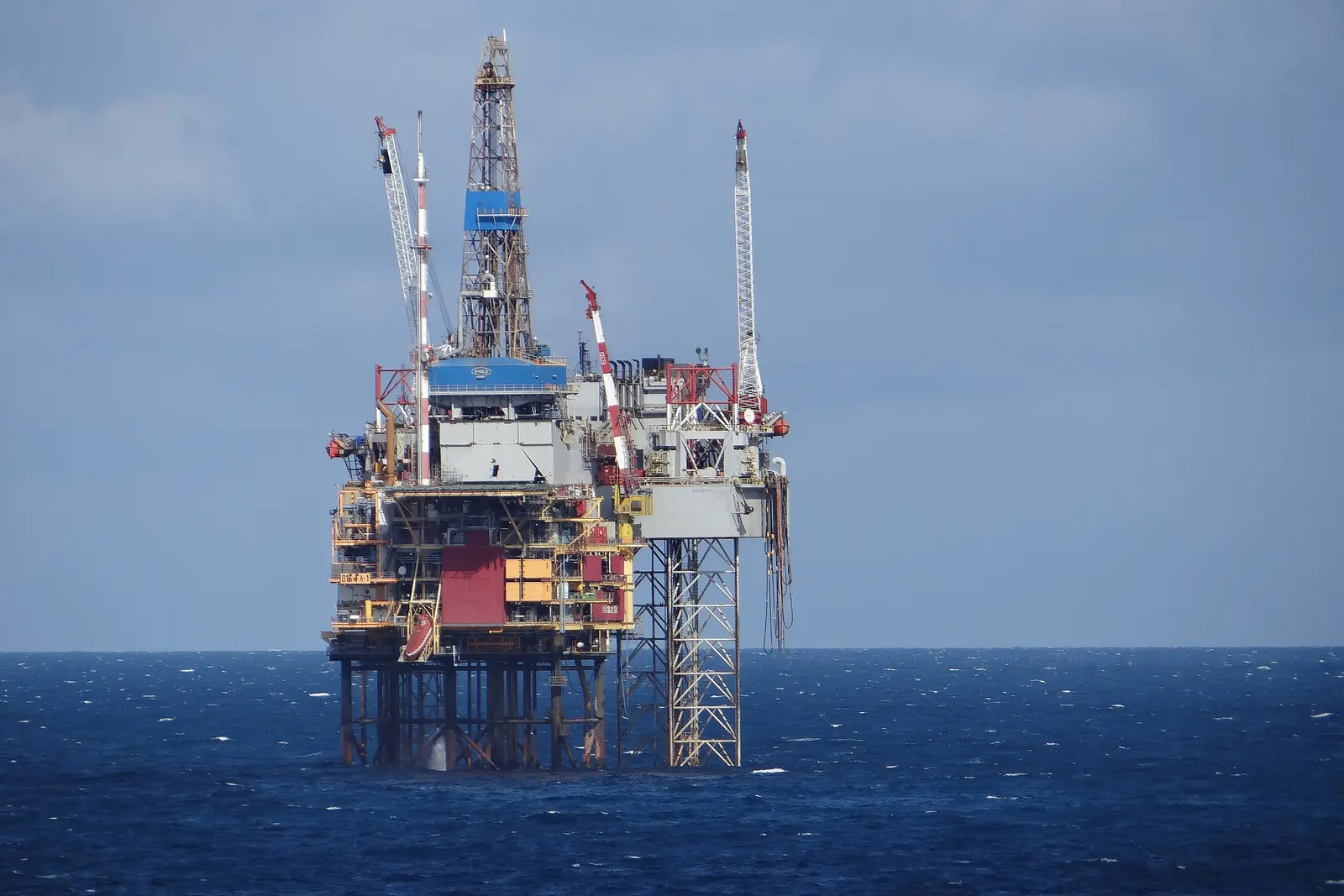
The UK government introduced the Energy Independence Bill to Parliament on Wednesday 4 November. It ends new licences to explore for oil and gas fields in the North Sea while supporting continued production from existing licensed areas, according to the government's announcement.
The government says it will bring forward amendments to support plans to scrap standing charges on household gas bills, the daily charge paid even when no gas is used. That would affect around 23 million households. The government expects around 60% of gas account holders to save an average of £45 a year.
North Sea licensing and certificates
New Transitional Energy Certificates will allow further production in areas already explored, including through existing infrastructure. The government says this could unlock around 60 million barrels of oil and support hundreds of jobs. It also says oil and gas will remain part of Britain's energy mix for decades to come, and points to a £2 billion Energy Wealth Fund and a North Sea Jobs Service. We reported earlier that RenewableUK backs North Sea jobs after Jackdaw approval, as covered here.
Bills, consumers and communities
The Bill also puts the decision to shift 75% of domestic Renewables Obligation costs from energy bills to public spending on a lasting legal footing. Last week's Budget announced a £100 payment for up to 20 million households in England this winter.
Other measures in the Bill:
- Ofgem gets tougher powers over energy companies and bosses, including unfair bonuses, and energy brokers will be regulated. The government expects this to save businesses around £100 million a year.
- Local authorities can fine landlords up to £30,000 for missing energy efficiency standards, supporting plans to save households in upgraded rented homes around £210 a year by 2030.
- The Warm Homes Agency is established in law.
- Developers must offer communities up to a 20% stake in new renewable projects, with mandatory community benefits.
- A publicly owned Great British Grid is to be established in law through an upcoming amendment, alongside reforms to speed up grid connections.
Prime Minister Andy Burnham said the changes will "bring bills down for good". Energy Secretary Miatta Fahnbulleh called the Bill "a first downpayment" on fixing a broken system.