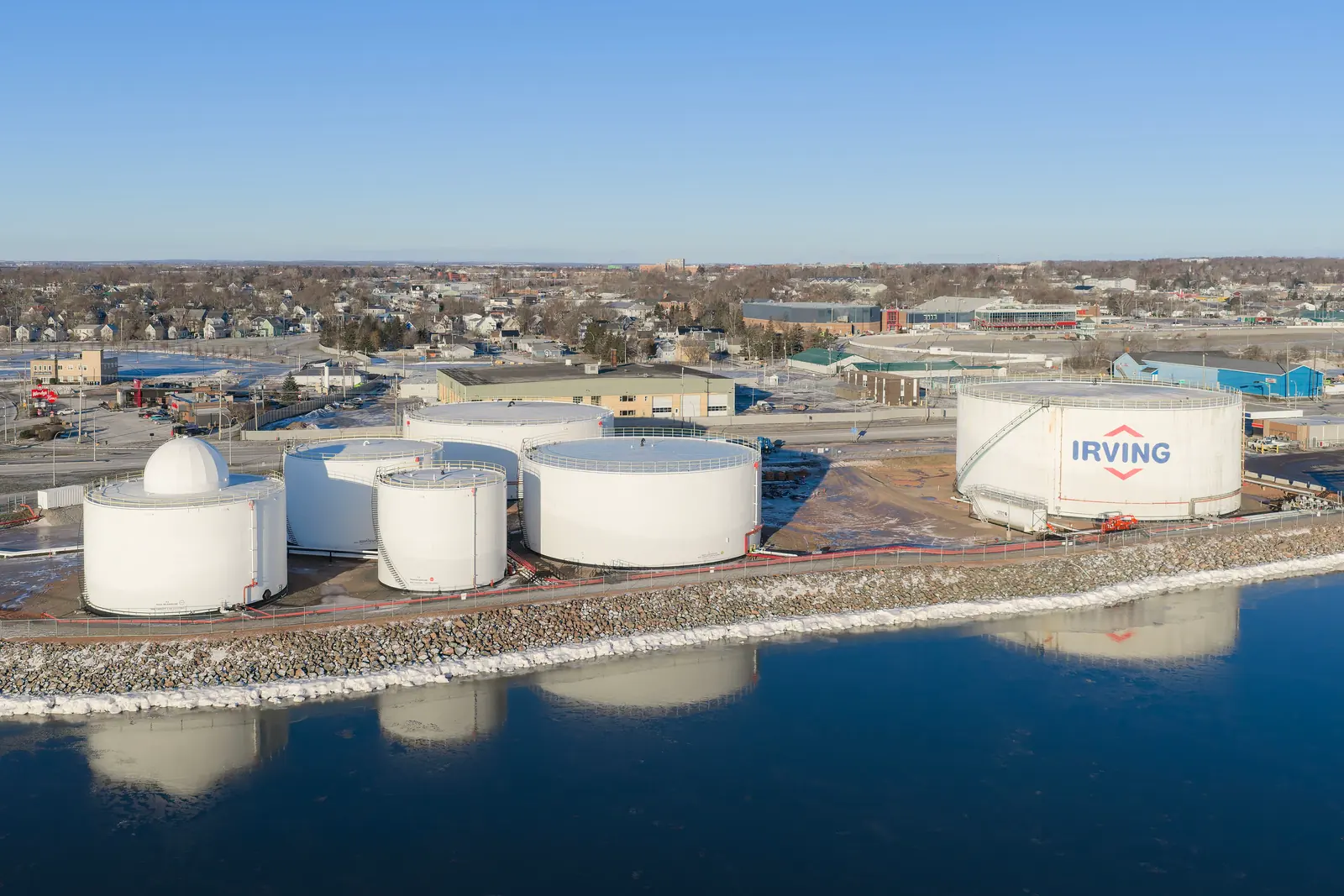
US commercial crude inventories rose 17.4 million barrels to 424.4 million barrels in the week ended August 7, the Energy Information Administration said, far above the 1.4 million barrel draw that analysts polled by Reuters had expected. It was the largest single-week increase since January 2023 and left stocks at their highest level since June 5.
Demand forecasts move lower
OPEC cut its forecast for 2026 global oil demand growth to 580,000 barrels per day in its monthly oil market report released Wednesday, a smaller expansion than it had previously projected. The International Energy Agency also lowered its outlook, now expecting global oil consumption to fall by 1.6 million bpd this year, a deeper decline than its earlier estimate of 1 million bpd. The IEA tied the revision to restricted fuel supplies and higher prices linked to the disruption at the Strait of Hormuz.
Prices fall despite Middle East supply risk
Brent crude fell 0.92% to $88.16 a barrel and WTI dropped 1.07% to $82.38 a barrel on Thursday morning, pressured by the surprise inventory build and the weaker demand outlook. The declines came even as supply risk in the Middle East persisted. A senior Iranian source said Wednesday that talks with the United States to revive the interim deal reached in June, meant to end the Gulf war, had made no progress toward setting a timeline for implementation.
Attacks on shipping in the Strait of Hormuz and the Bab el-Mandeb Strait on Tuesday added to that risk. Analysts at Haitong Futures said the deteriorating safety situation in those waters is forcing vessels to turn off their signals, which cuts shipping transparency and makes it harder for the market to track real supply levels, according to Reuters.
Refined fuel supply is tightening too
Refinery disruptions tied to the Iran war and Ukrainian attacks on Russian energy infrastructure have also cut into refined fuel supply, compounded by China's restrictions on fuel exports. Together these have pulled millions of barrels of refined product out of global markets, pushing buyers toward alternative sources.
Oil prices have stayed volatile since the Middle East crisis began, though current levels remain far below the roughly $126 a barrel level reached during the earlier phase of the crisis.