US energy supply is not short on demand or dollars. It is stuck behind permitting.
More than 2,600 gigawatts of proposed power generation and storage sit unbuilt in US interconnection queues, according to a piece by Amy Andryszak and Todd Snitchler, published in the NY Daily News on August 26 and posted by INGAA. An interconnection queue is the line grid operators use to study and approve new power projects before they can connect to the grid. Twenty-five major natural gas pipelines are separately waiting for federal approval, and investment dollars are lined up behind both, the authors write, but permitting is keeping the projects from moving forward.
Demand pressure builds
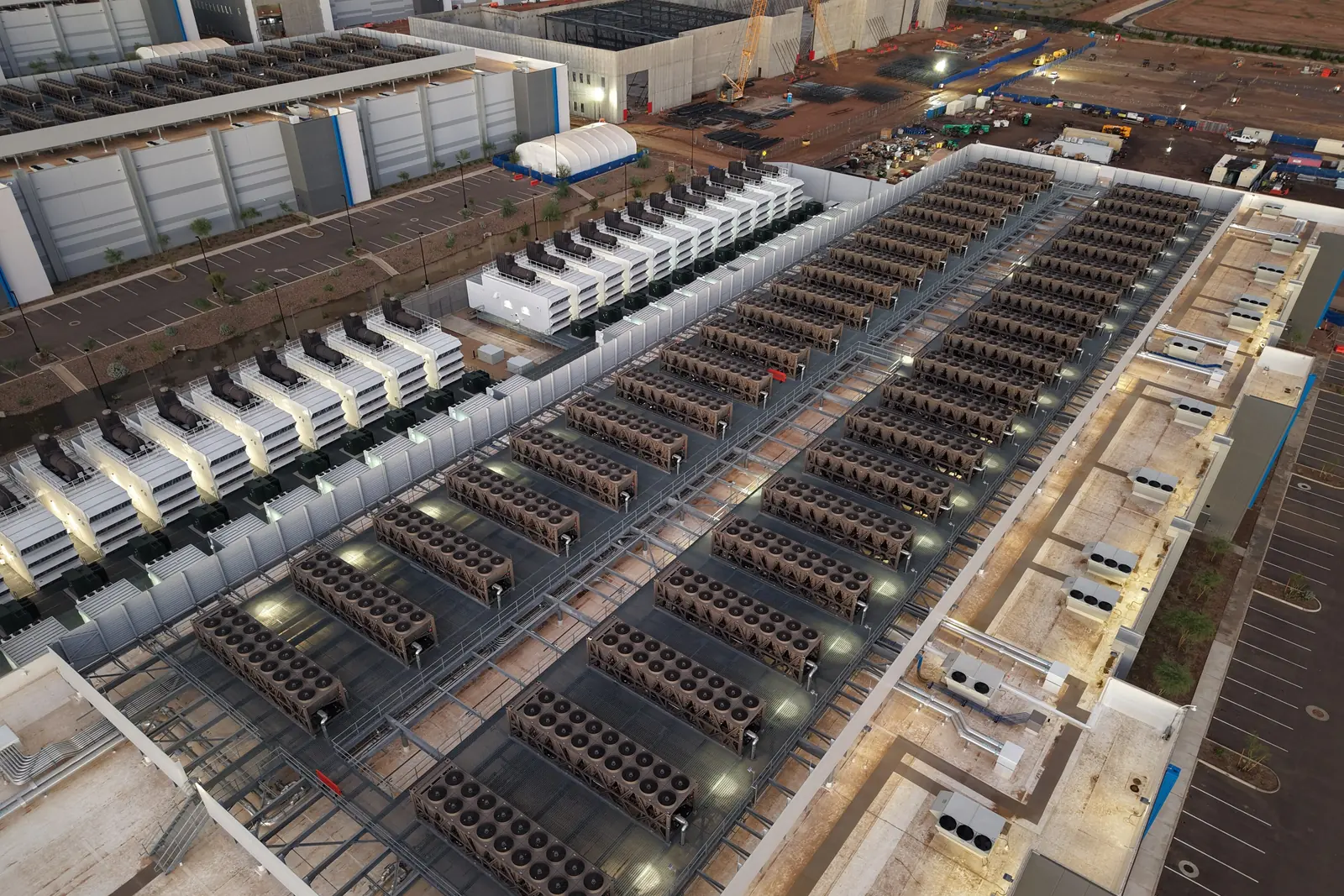
Data centers consume roughly 4.5% of US electricity today and could account for 9.5% to 15% by 2030, representing more than 40% of electricity demand growth over the next five years, the authors write. US LNG feed gas demand is projected to double to 36 billion cubic feet a day within five years, and natural gas consumption in the power sector is expected to reach a record high next year. Electrification, factories relocating to the US, new data centers and rising gas demand from US allies abroad are behind that growth, according to the piece.
A sequence permitting keeps breaking
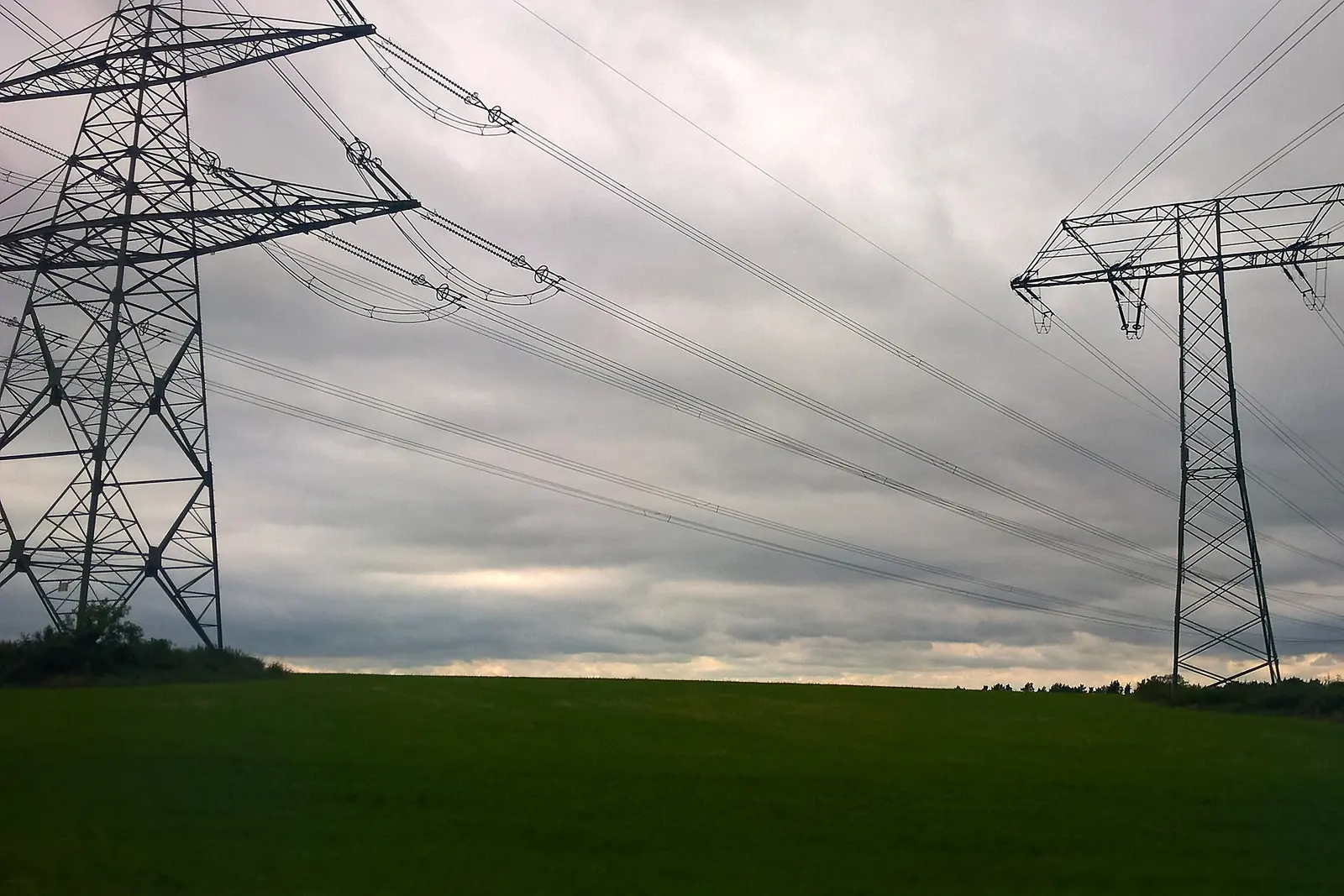
The article lays out a fixed build order: gas pipelines feed power plants, power plants generate the electricity, and transmission lines carry it to end users. Delay any one link through permitting, the authors write, and costs climb while supply falls short.