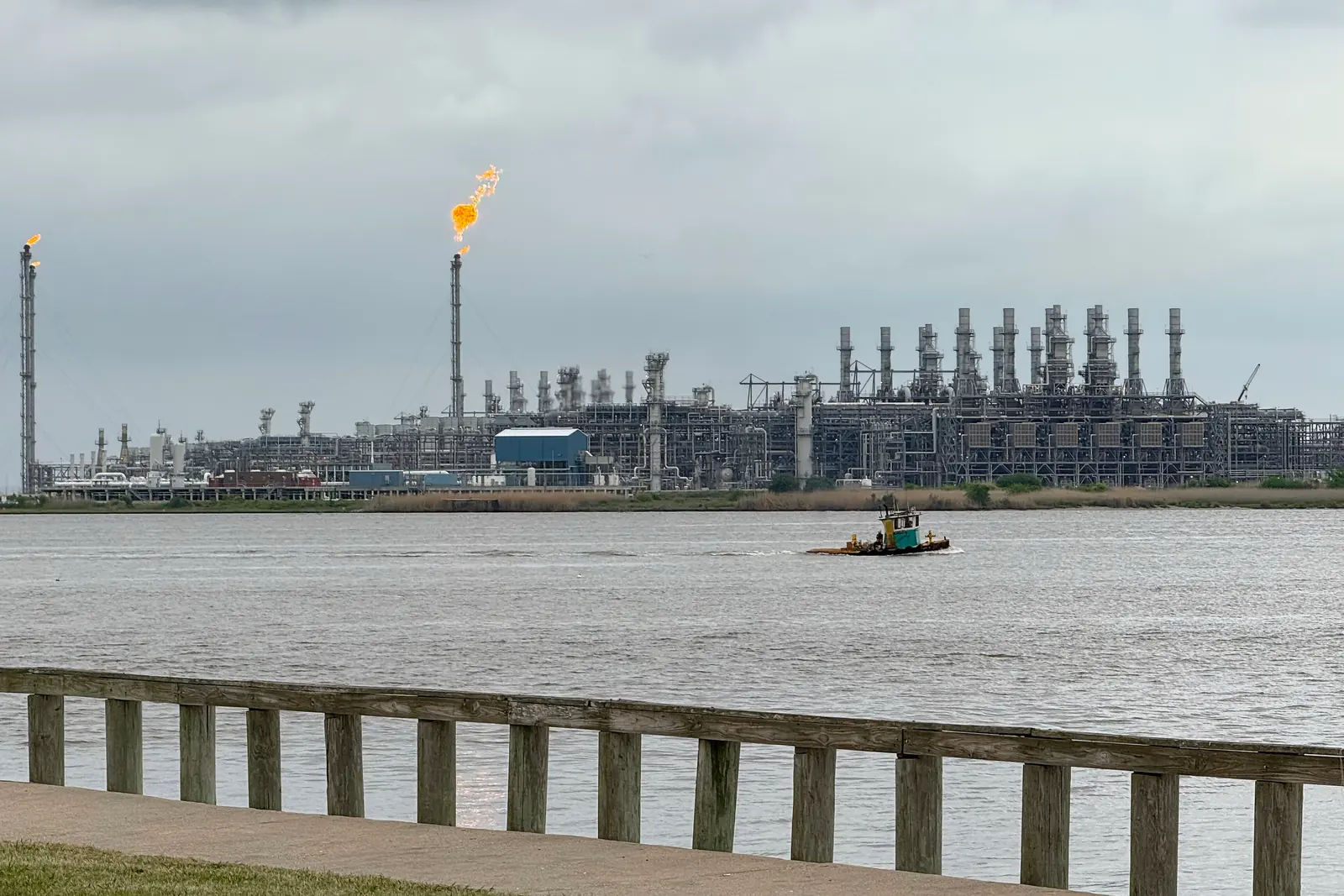
Cheniere Energy completed the Corpus Christi Liquefaction Stage 3 Project on August 28, 2026, taking custody and control of the seventh and final liquefied natural gas train in the project. The milestone brings the Corpus Christi LNG Terminal in San Patricio County, Texas, to a total nominal capacity of 3.1 billion cubic feet per day, or 3.9 Bcf/d at peak.
A train is a single processing line that cools natural gas into liquid form for export. A terminal's total capacity is the sum of all its trains running together.
Second-largest US terminal
With Stage 3 finished, Corpus Christi becomes the second-largest LNG export facility in the United States, behind Sabine Pass in Louisiana. Sabine Pass has a nominal capacity of 3.6 Bcf/d and a peak capacity of 4.6 Bcf/d.
- Corpus Christi: 3.1 Bcf/d nominal, 3.9 Bcf/d peak
- Sabine Pass: 3.6 Bcf/d nominal, 4.6 Bcf/d peak
Seven trains, gradual ramp
CCL Stage 3 is made up of seven midscale trains with a combined nominal capacity of 1.3 Bcf/d and a peak capacity of 1.5 Bcf/d. The project first produced LNG in December 2024, and output climbed as each of the six earlier trains came online ahead of the seventh.
More capacity due in 2028
Cheniere Energy is also building a collocated project, Corpus Christi Liquefaction Midscale, on the same site. That project adds two more trains, for 0.4 Bcf/d of additional nominal capacity (0.5 Bcf/d peak), and is expected to start up in 2028.