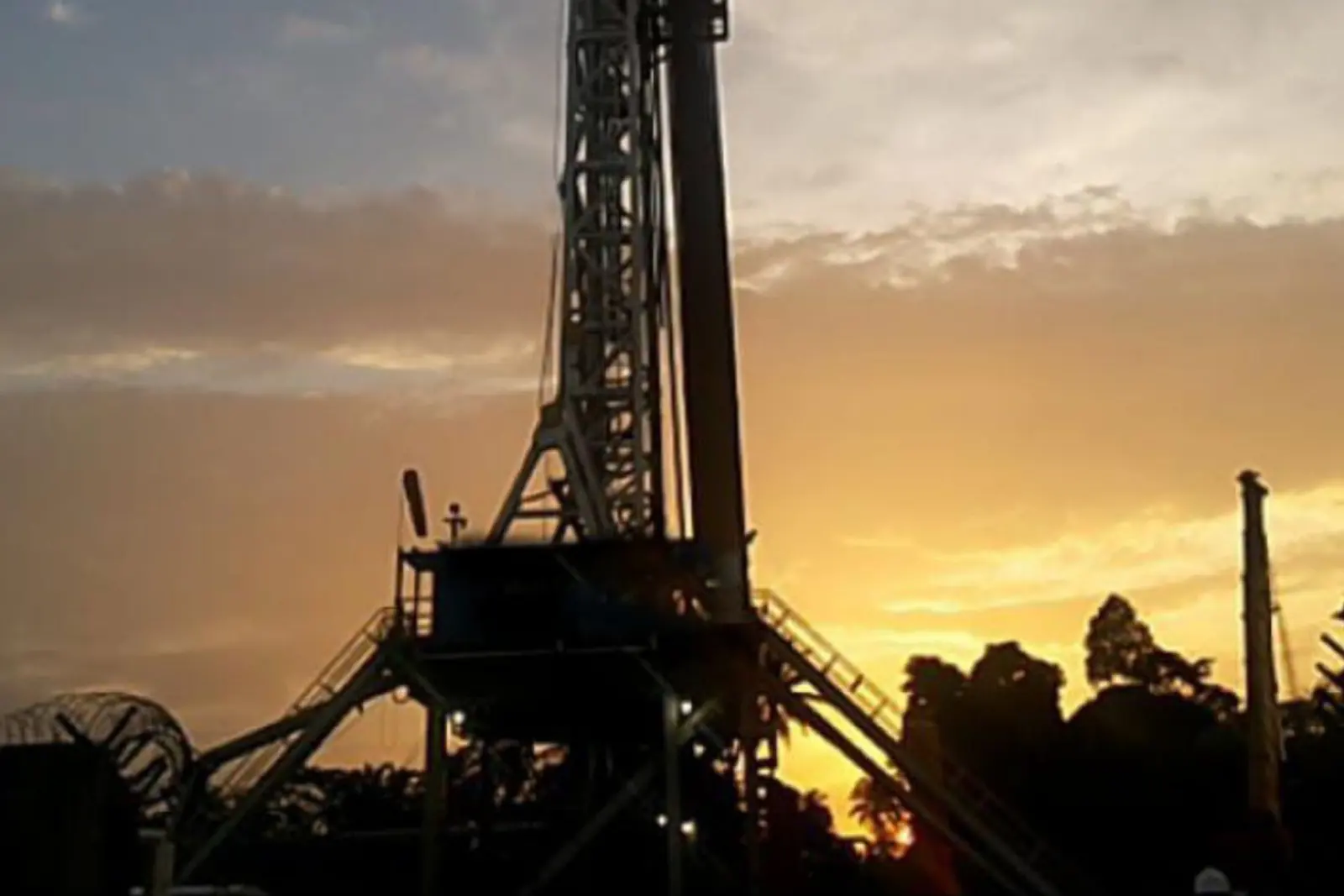
JAPEX's second exploratory well is a data-gathering step, not a construction start. Japan Petroleum Exploration began drilling the well on 15 August to confirm that rock formations beneath the seabed off Hokkaido can hold injected carbon dioxide as part of the Tomakomai CCS project.
The well uses extended-reach drilling, a technique that lets a rig reach a target formation some distance away without sitting directly above it, from a rig installed in Masago-cho, Tomakomai City. JAPEX drilled the well under an exploratory drilling permit obtained from Japan's Minister of Economy, Trade and Industry. A spud-in ceremony on 6 August drew 27 people, including government officials and local stakeholders.
Feeding a final investment decision
JAPEX will combine data from this second well with results from its first exploratory well to support a final investment decision on the Tomakomai project.
Two emitters, one storage operator
The Tomakomai project would capture carbon dioxide from Idemitsu Kosan's Hokkaido refinery and Hokkaido Electric Power's Tomato Atsuma power station. JAPEX would handle the underground injection and storage, linking the two emitters to the storage site it is now testing. Capturing CO2 at the source and injecting it into deep rock instead of releasing it to the atmosphere is the basic mechanism carbon capture and storage projects like this one rely on.
The partners are targeting the start of CO2 storage by FY 2030. Until the two exploratory wells produce a final investment decision, that date marks an ambition rather than a commitment.