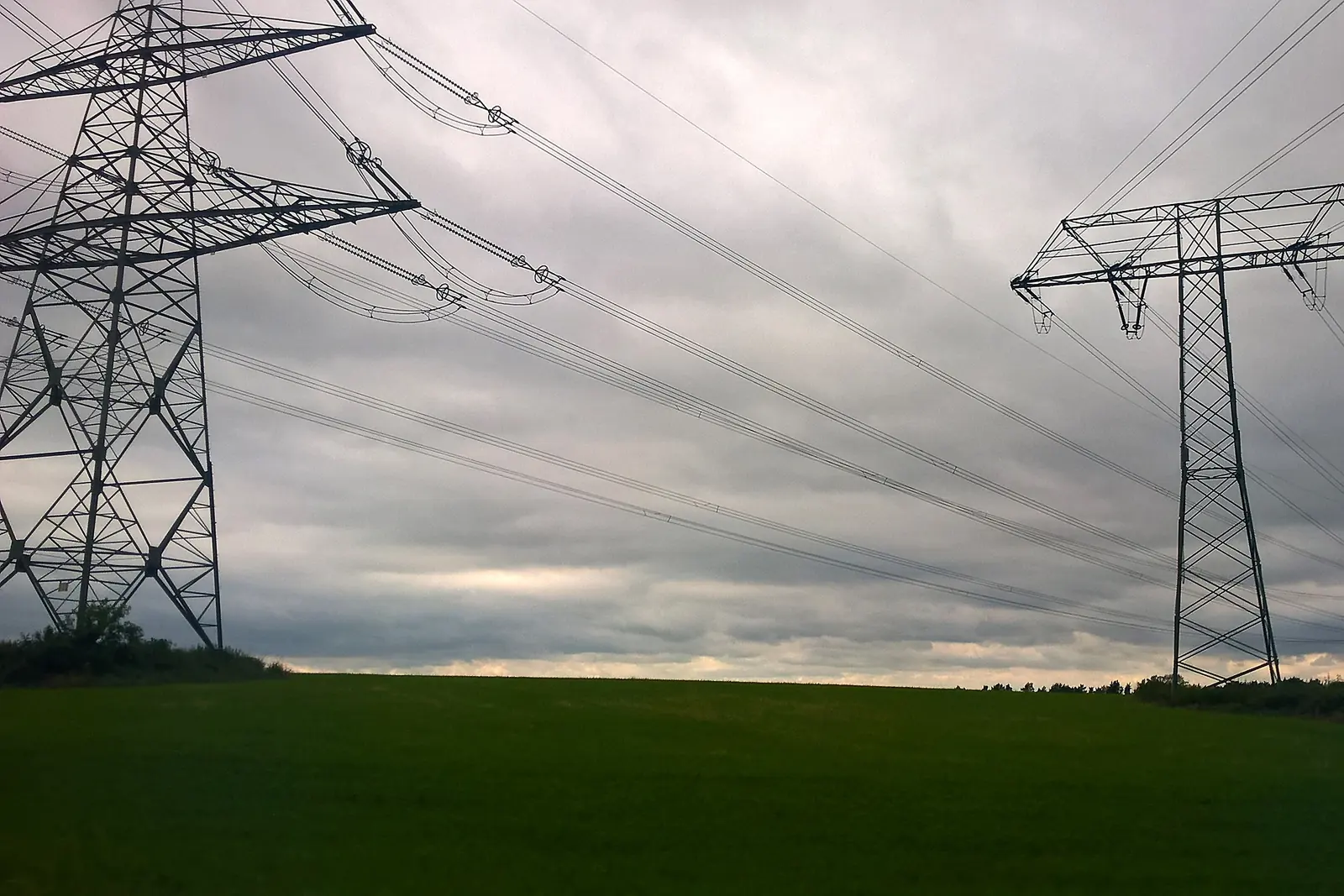
The Linux Foundation launched OpenGrid on Oct. 7, an open source initiative meant to give every country access to high-quality grid planning tools by 2030. The announcement came at Open Source Summit Europe in Prague.
The scale of the backlog
Linux Foundation points to the scale of the problem behind the launch: more than 2,500 gigawatts of generation, storage and large-load projects are currently stuck in grid connection queues worldwide. Annual grid investment needs to roughly double to more than $600 billion by 2030, and meeting long-term power needs will require adding or replacing 80 million kilometers of power lines by 2040.
What OpenGrid actually builds
OpenGrid is not a replacement for existing power grid planning software. It is a shared data and interoperability layer that lets the commercial and open source tools planners already use work together. The initial pieces are open standards and schemas, programmatic APIs and a centralized Data Hub meant to hold validated, model-ready datasets. Jim Zemlin, chief executive of the Linux Foundation, said the project will "bring the proven model of open collaboration to grid planning" for faster, more reliable deployment.
Its first application, the OpenGrid Translator, is in development for release in 2027. It is meant to move data and models between widely used commercial planning platforms and open source tools.
Why emerging markets are the focus
Access to modern planning tools is uneven across countries, and emerging economies are expected to account for nearly 80% of global electricity demand growth through 2030. Alice Yake, vice president of BE-GRIDS and chair of the OpenGrid Management Committee, said the project is meant to give any utility, regulator or country open data and planning tools it can inspect and use itself, rather than relying on data or models it cannot verify.
Who's backing it
OpenGrid launches with support from Breakthrough Energy GRIDS, Global Grid Catalyst, Connected Grid Initiative and Google.org. Technical delivery partners include Open Energy Transition, Tapestry, TransitionZero and QXT Energy. Over time, the Linux Foundation plans to expand OpenGrid to include open solvers, no-code graphical interfaces, standardized planning workflows and integrations that use AI to prepare data.