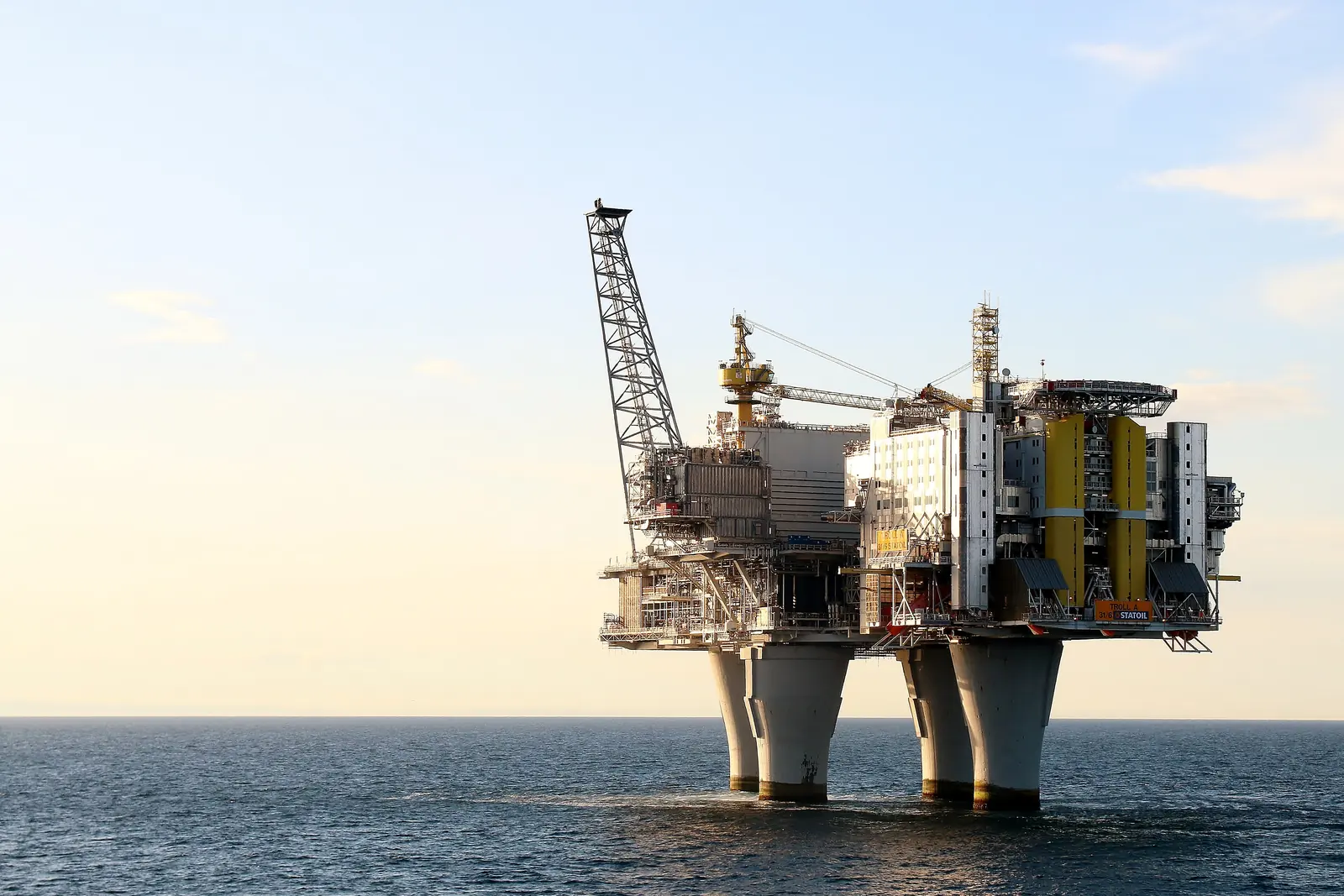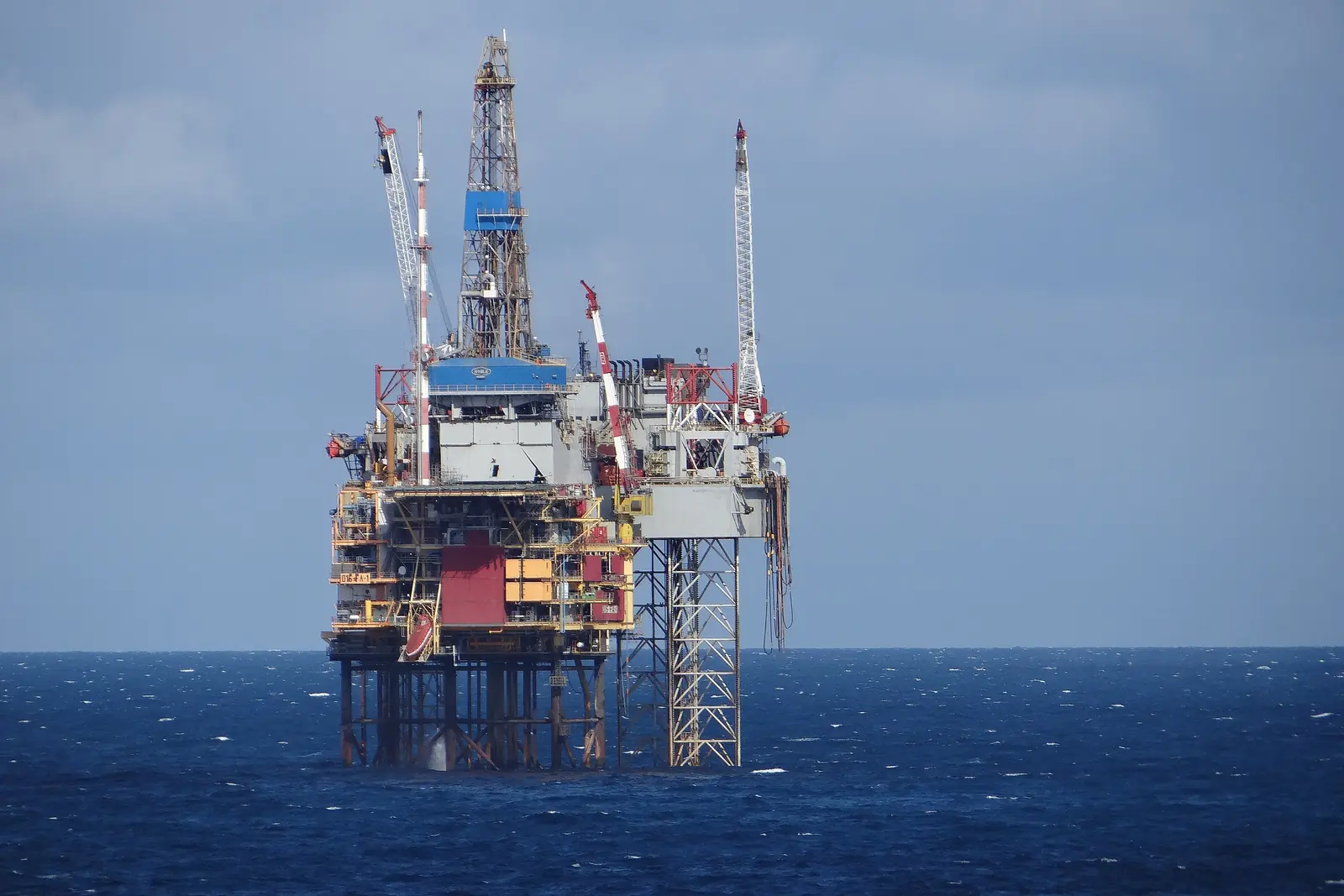
Norway's offshore regulator is betting that squeezing more oil from already-discovered fields matters as much as finding new ones in the country's upstream sector, and it has now flagged three candidates for enhanced recovery, including Linerle, a Norwegian Sea discovery with a projected 33.7 million cubic meters of oil that still has no operator.
Why Linerle stands out
Linerle sits about 25 kilometers from the Norne field and holds oil with a viscosity that is unusually high for the Norwegian continental shelf. Companies will be able to apply for the discovery in upcoming APA licensing rounds. Previous studies put the recovery rate from conventional development at just 17 percent, which would leave most of that 33.7 million cubic meters in the reservoir. That gap is what makes the field a candidate for enhanced oil recovery, or EOR: injecting extra fluids, such as water or chemicals, into a reservoir to push out oil that natural pressure alone would leave behind.
"Linerle is a realistic opportunity to test whether chemical EOR can generate values offshore," said Ove Bjørn Wilson, senior reservoir engineer at the Norwegian Offshore Directorate. He said the method has already been used on several fields on the UK shelf, with good results.
Two more fields under the same review
This year, the directorate is working to identify projects that could be developed profitably using EOGR, its term for advanced methods of enhanced oil and gas recovery. Linerle is not the only discovery under that review: the directorate has also flagged the Slagugle project in the Norwegian Sea and Frigg, near the Hugin field in the North Sea, as candidates for the same work. Operators on both are refining options for draining their fields, and the directorate is examining whether advanced injection methods could improve the outcome across all three.
| Discovery | Location | Status |
|---|---|---|
| Linerle | Norwegian Sea, about 25 km from Norne | Unclaimed, open in upcoming APA rounds |
| Slagugle | Norwegian Sea | Operator refining recovery options |
| Frigg | North Sea, near Hugin field | Operator refining recovery options |
How the directorate wants to boost recovery
The directorate is also weighing CO2 injection, a technique already used at scale in Brazil. On the Norwegian shelf, a field injected with CO2 could take on a second role once production ends, as a permanent underground store for that CO2.
Low-salinity water injection and chemical EOR have already produced encouraging results in the directorate's review. Injecting gas, whether CO2 or hydrocarbon gas, is what officials see as having the most upside.
Wilson said the shelf needs more attention on advanced recovery to slow its production decline. Most current effort goes toward conventional improved oil recovery, known as IOR, he said, and advanced EOGR work could add meaningful value if operators do not overlook it.
The number behind the push
The directorate has previously estimated the theoretical potential from advanced recovery methods across the whole Norwegian continental shelf at 350 to 700 million standard cubic meters of oil equivalent. The uncertainty on that range is large, but the directorate says the volumes involved could rival the full output of the Johan Sverdrup field.
What's next
The directorate will keep the EOGR conversation going at ONS, in a "Field development solutions" presentation under the Technical Sessions track. It plans a dedicated seminar on the Linerle opportunity later this year, and more detail on the shelf's wider outlook sits in its Resource Report 2026.