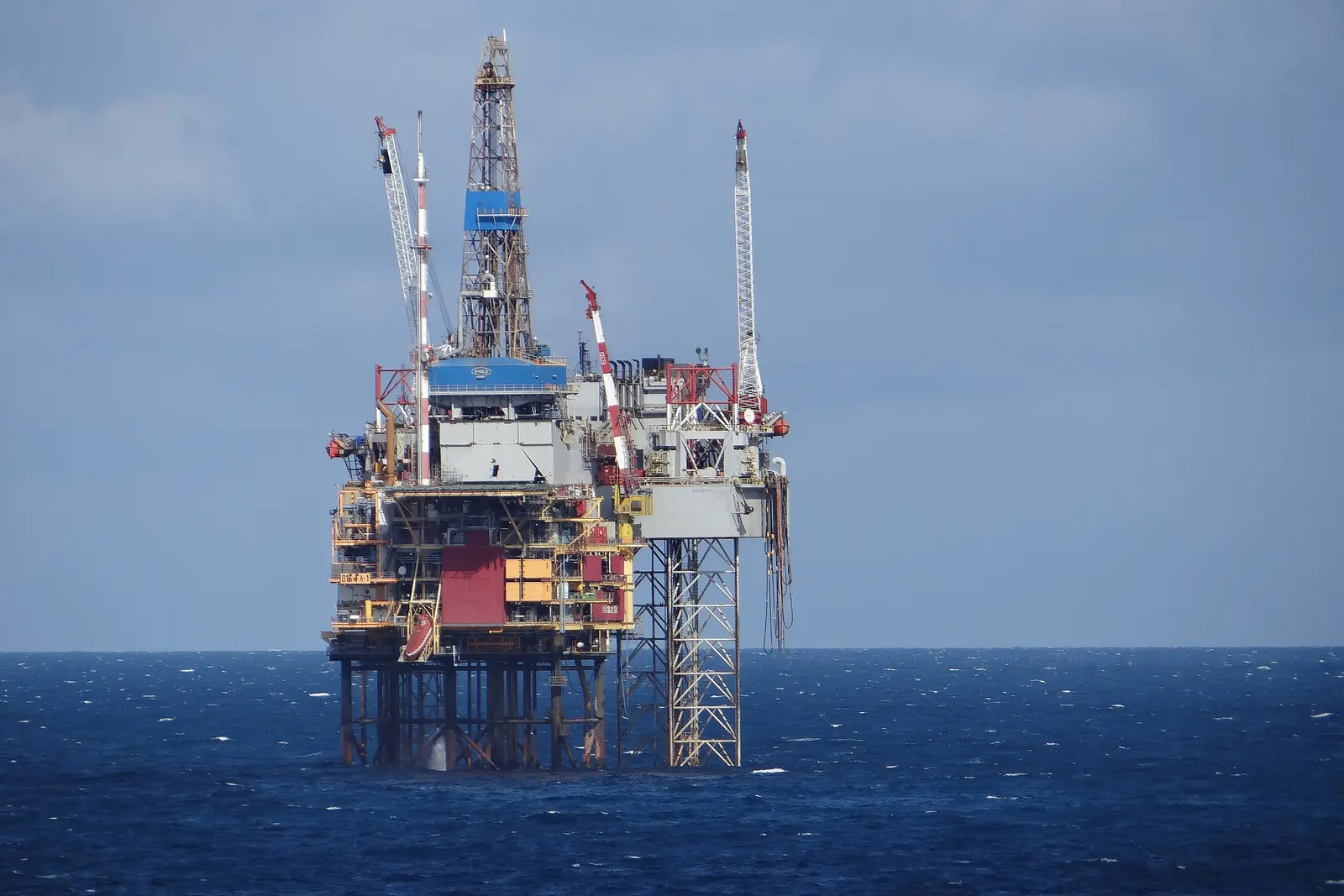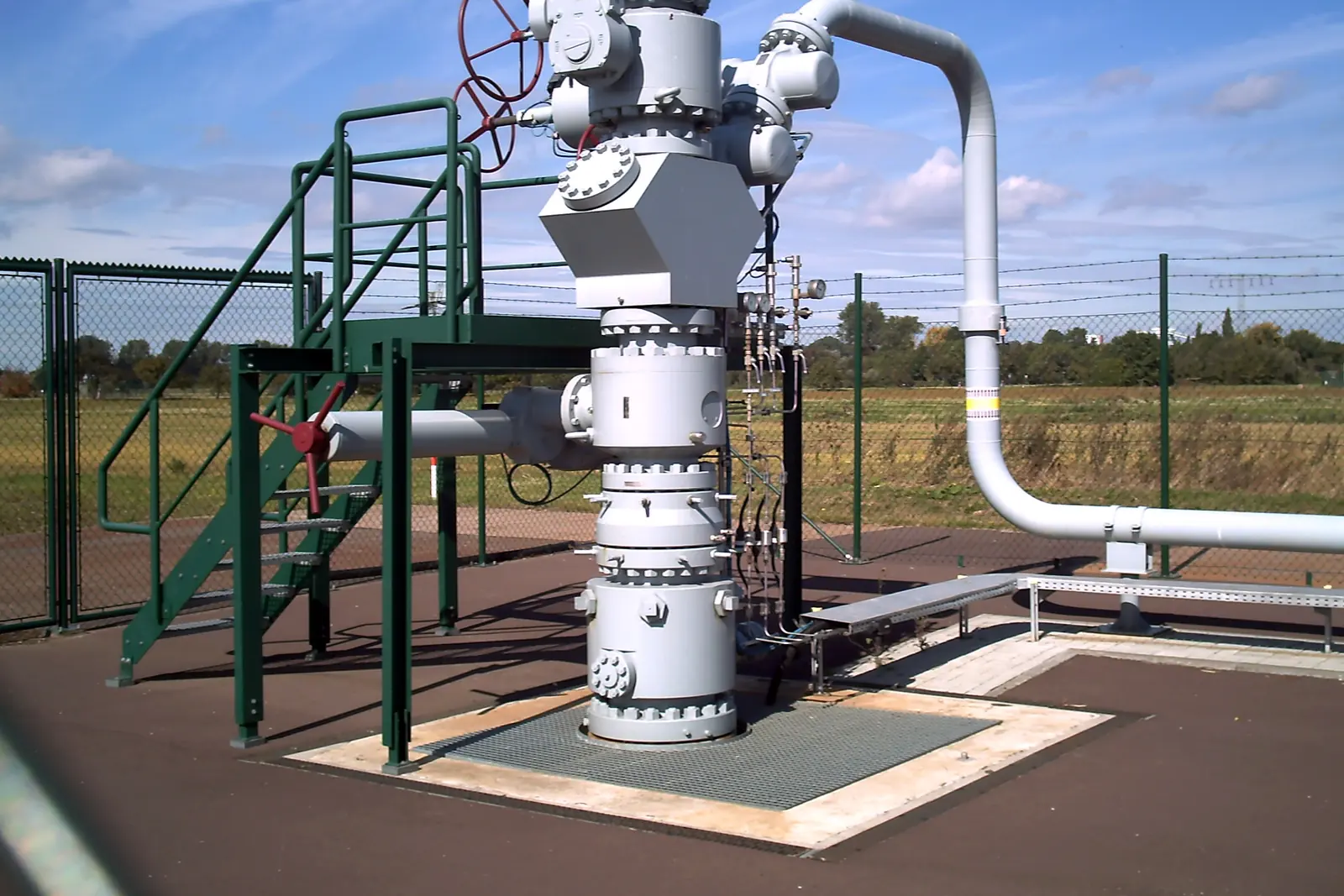
SLB said its OneSubsea joint venture won a contract from Aker BP to deliver subsea production systems, umbilicals and associated services for the Lyra field development. Lyra sits on the Norwegian Continental Shelf and was formerly known as Kjøttkake. The award is a bet on repeatable hardware: both companies describe Lyra as a standardized, fast-track job rather than a bespoke build.
What the contract covers
OneSubsea will supply the subsea production systems, the umbilicals and related services for Lyra. Lyra will be developed as a subsea tieback, meaning it connects to infrastructure that already exists instead of getting its own new host facility. The companies say the plan uses proven, standardized subsea technology to cut development complexity, improve execution efficiency and shorten the path to first production.
A decade of working together
The contract builds on nearly a decade of collaboration under Aker BP's alliance model. According to SLB, Aker BP and OneSubsea worked together from the early stages of the project to shape the development strategy for Lyra. That early involvement is what SLB points to when it calls the project a model for fast-track development.
Mads Hjelmeland, chief executive officer of SLB OneSubsea, said Lyra shows what is possible with fast-track field development. Working together from the earliest stages, he said, lets the company shape strategies around customer priorities.
Marte Mogstad, senior vice president at Aker BP, said the alliance with OneSubsea and the use of standardized technology have been central to how Lyra is being developed. She said the project shows how marginal resources can be made economically viable through fast-track execution, with three years from discovery to first oil.
The venture behind the award
OneSubsea is a joint venture backed by SLB, Aker Solutions and Subsea7. It is headquartered in Oslo and Houston and has 10,000 employees worldwide. We reported earlier that Subsea7 won a $150-300 million Aker BP contract for the Lyra tieback.
SLB describes the project as a blueprint for future developments on the Norwegian Continental Shelf.