Targa Resources Corp. has signed 20-year fee-based agreements with subsidiaries of ExxonMobil for natural gas gathering, processing and downstream services across the Permian Basin, extending the two companies' relationship through 2046. Targa Resources called the deal a meaningful expansion of its existing strategic relationship with ExxonMobil.
"We are excited to meaningfully expand our strategic relationship with ExxonMobil," said Matt Meloy, Targa's chief executive officer.
Delaware and Midland terms
In the Permian Delaware, the new agreements add acreage dedications for midstream services including gathering, processing, treating, NGL transportation and fractionation through 2046. In the Permian Midland, the agreements add new acreage dedications and extend Targa's existing fee-floor gathering and processing agreements, also through 2046. Both basins carry 20-year NGL dedications to Targa's logistics and transportation systems.
New plants and a pipeline
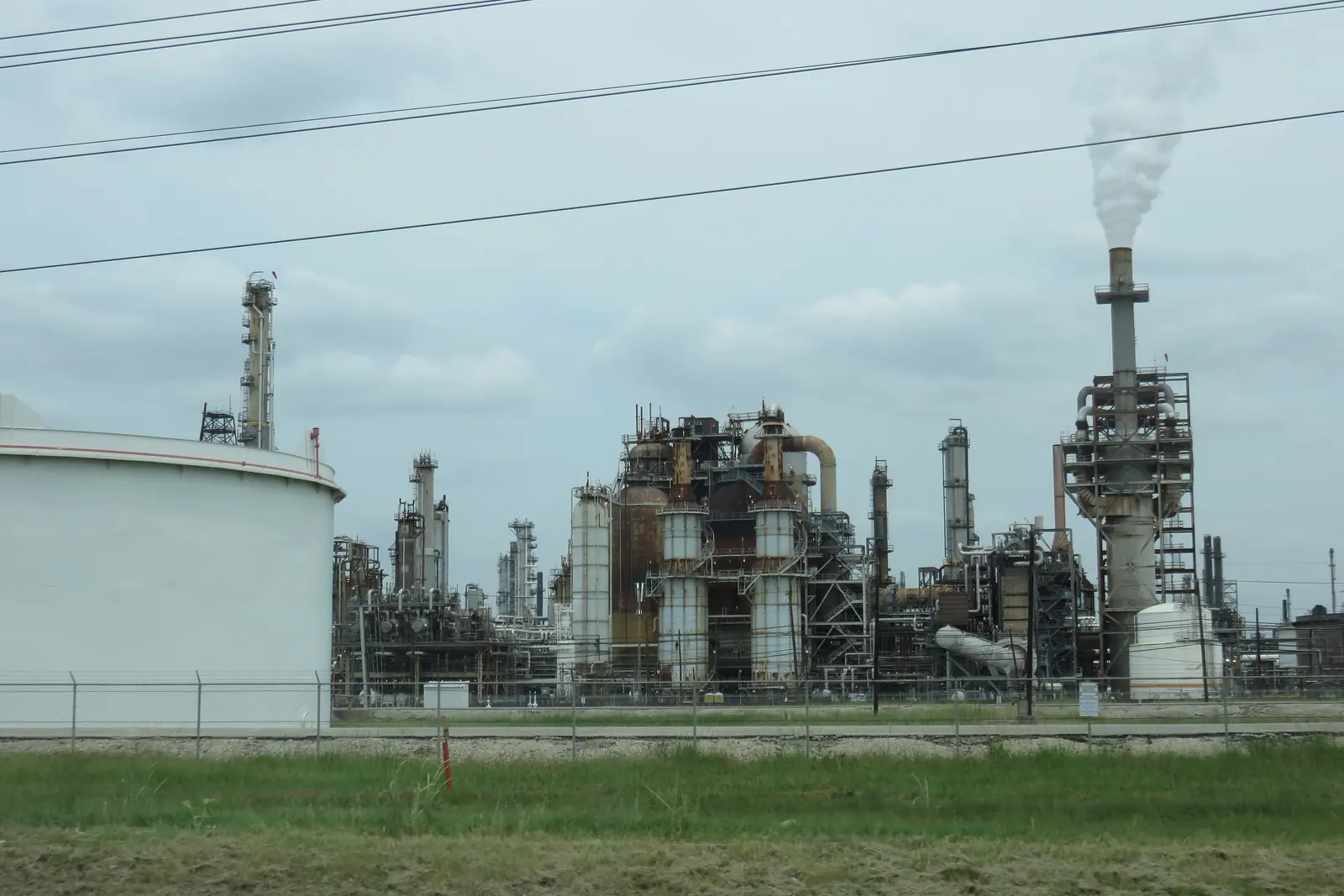
To handle the added volume, Targa plans three new natural gas processing plants in the Permian Delaware: Wrangler, Ranger and Ranger II. Combined, the three plants add about 825 million cubic feet per day of capacity and are expected in service in the first half of 2028. Targa is also evaluating up to five additional processing plants for longer-term production growth in the area, and is evaluating the timing of an additional fractionation train at Mont Belvieu.
The company also plans a roughly 70-mile pipeline, Bull Run II, as part of its existing Bull Run residue system in the Permian Delaware. The pipeline will carry gas from the new plants to the Waha hub and is backed by take-or-pay commitments. It is expected to begin operating in the first half of 2028.
Capital spending
Targa raised its 2026 growth capital estimate to about $5.0 billion. The company said the increase covers the new Delaware processing plants, incremental field capital and the Bull Run II pipeline. Targa said the new commercial agreements add long-term visibility to its growth, and that plant, field and downstream infrastructure already underway will be needed to handle the added volume.