U.S. crude oil imports from Venezuela averaged 701,000 barrels per day (b/d) in July 2026, the most since May 2017, according to the EIA's Petroleum Supply Monthly. Imports fell to 655,000 b/d in August.
The year began at 200,000 b/d, and the EIA says imports have risen in most months since.
What is driving the increase
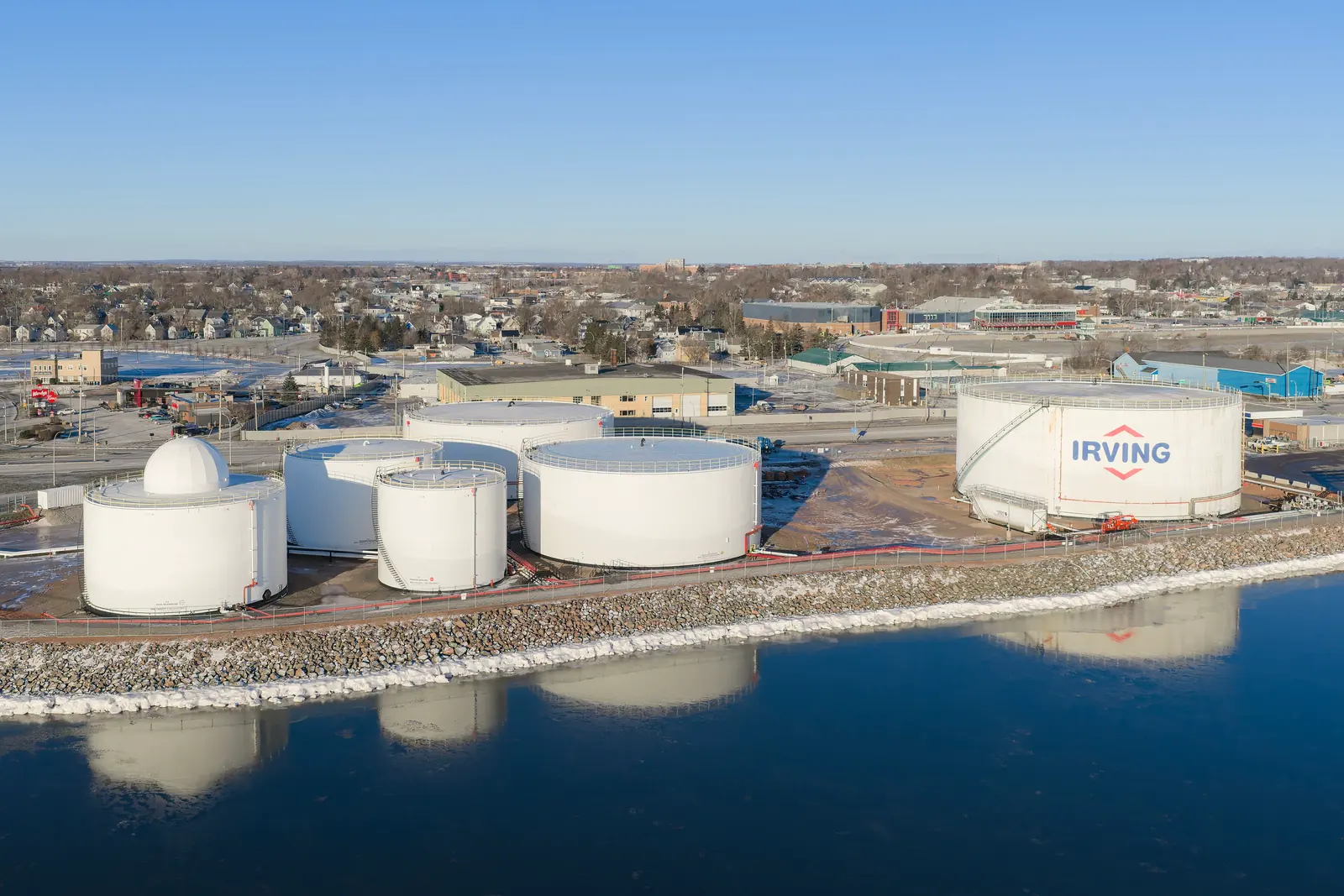
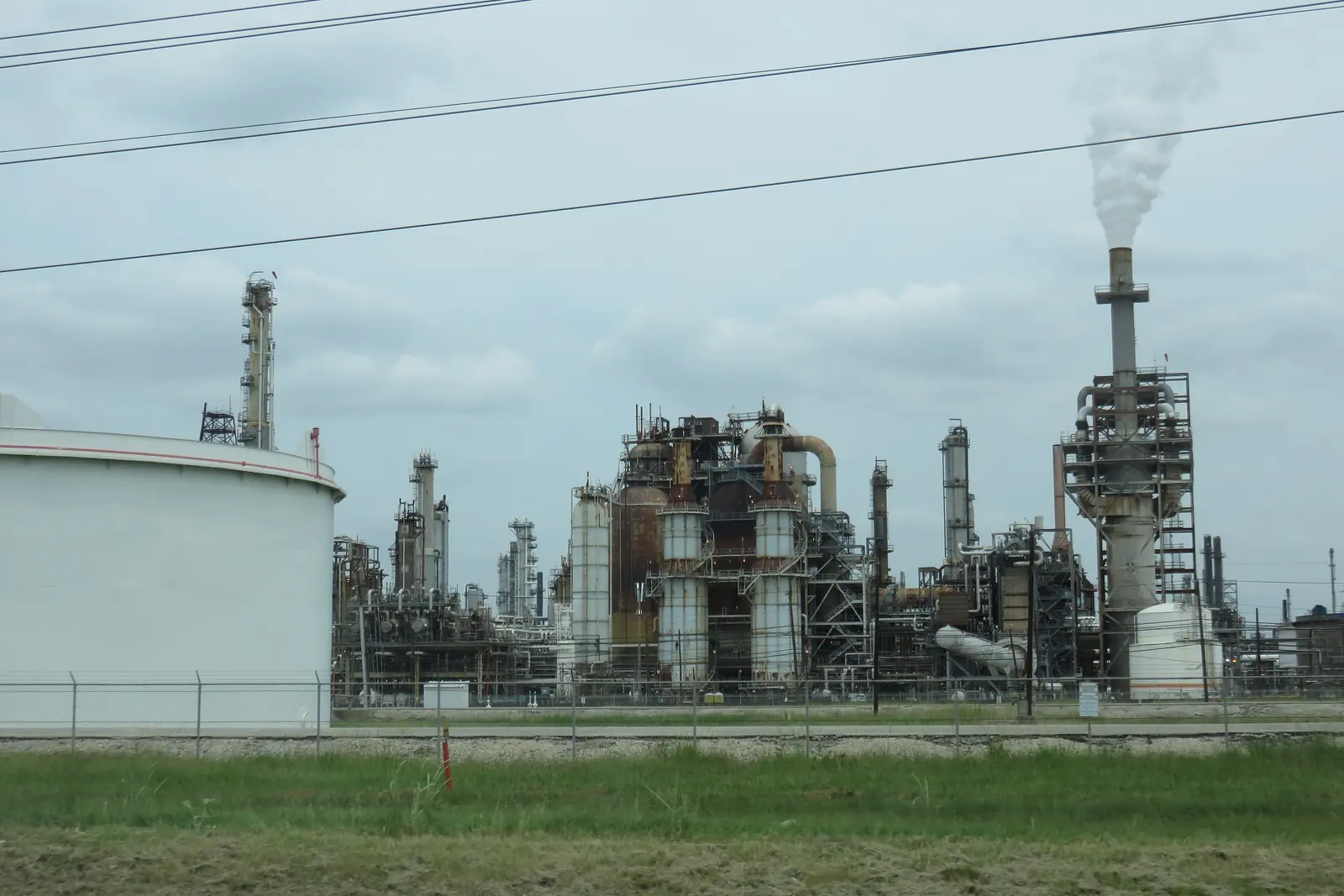
The EIA attributes the higher volumes to strong crude demand at U.S. refineries, which it links to high global refinery margins, and to the easing of U.S. government restrictions on buying from Venezuela. Many refineries on the U.S. Gulf Coast (PADD 3) are configured to process heavy sour grades such as those from Venezuela.
The shift away from China
Vortexa data cited by the EIA show most Venezuelan crude exports in 2025 went to China. In 2026, Venezuela has exported no crude to China, and the United States has been the largest single destination by volume.
How the trade stopped and restarted
U.S. imports from Venezuela stopped shortly after the United States sanctioned state oil company PDVSA in January 2019. In November 2022, the Treasury Department's Office of Foreign Assets Control granted Chevron waivers to resume exporting crude from its Venezuelan joint venture operations to Gulf Coast refineries, and Chevron resumed those exports in January 2023.
The U.S. government eased restrictions on PDVSA after the capture of Venezuelan President Nicolas Maduro in January 2026. It also took further steps to authorize U.S. companies to invest in Venezuela to raise domestic crude production.
We reported that Chevron plans a $7 billion Venezuela expansion to double oil output.