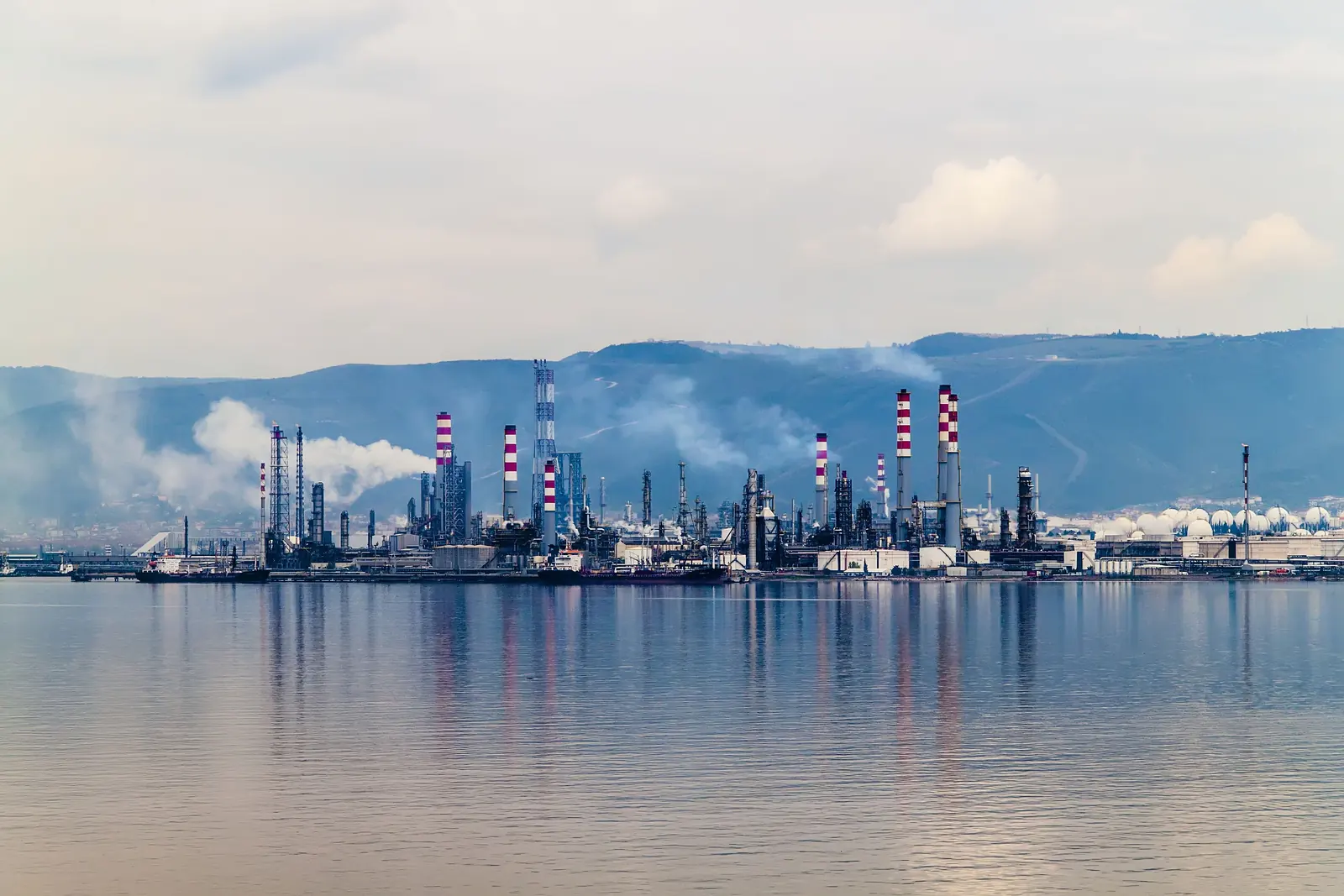
US refiners made less gasoline from each barrel of crude in the first eight months of 2026 than in any comparable stretch of the past five years. EIA's latest Petroleum Supply Monthly, which includes data through August 2026, shows the gasoline yield averaging below 45% from January through August. It sat below the five-year (2021-2025) low in every one of those months.
Why yields moved
EIA attributes the shift largely to refiners pushing as much output as possible into distillate fuel oil and jet fuel. Margins on those fuels are significantly higher because global supplies are constrained. That held even though gasoline prices were high.
Refinery yield is the share of a given fuel produced from each barrel of crude a refinery or group of refineries processes. The US fleet typically yields 45% to 50% gasoline, or about 45 to 50 barrels for every 100 barrels of crude processed. Gasoline, distillate and jet fuel together usually make up 85% to 90% of what the fleet produces.
Distillate and jet fuel
Distillate fuel oil, often sold as diesel, has yielded more than a year earlier in general and has been above its five-year average in every month. EIA says crack spreads and refinery margins for distillate have been elevated for most of the year because of limits on global supply.
Jet fuel yields have also been high. The US fleet averaged more than 12% jet fuel yield for the first time in March 2026, according to EIA data, and the average has stayed at or above 12% through August. Jet yields were already at a five-year high for most of 2025, and EIA says strong jet margins in 2026 have given refiners a lasting reason to keep maximizing output.