Aker BP and Equinor's first exploration well on Norwegian license 979 has come up dry. Well 15/6-17, drilled in the Svarteknippa prospect in the North Sea, found weak hydrocarbon indicators and no proven reservoir before it was plugged and abandoned.
The well sits 15 km west of the Solveig field and 220 km west of Stavanger. Aker BP operates the license with a 60% interest, and Equinor holds the remaining 40%. License 979 was awarded through Norway's Awards in Predefined Areas process (APA) in 2018, and 15/6-17 is the first well drilled on it.
What the well targeted
The primary target was hydrocarbons in the Middle Jurassic Hugin and Sleipner formations. A secondary objective aimed to prove a reservoir in the Draupne and Heather formations.
Near the primary target, the well passed through 97 meters of the Vestland Group, including 8 meters of sandstone with moderate to poor reservoir quality and weak hydrocarbon indicators. Near the secondary target, it encountered 191 meters of the Draupne Formation and 104 meters of the Heather Formation, but reservoir rocks were not proven in either.
The well by the numbers
| Detail | Result |
|---|---|
| Vertical depth | 3,704 m below sea level |
| Water depth | 102 m |
| Vestland Group | 97 m, incl. 8 m sandstone with weak shows |
| Draupne Formation | 191 m, no proven reservoir |
| Heather Formation | 104 m, no proven reservoir |
| Core recovered | 54 m, from the Vestland Group |
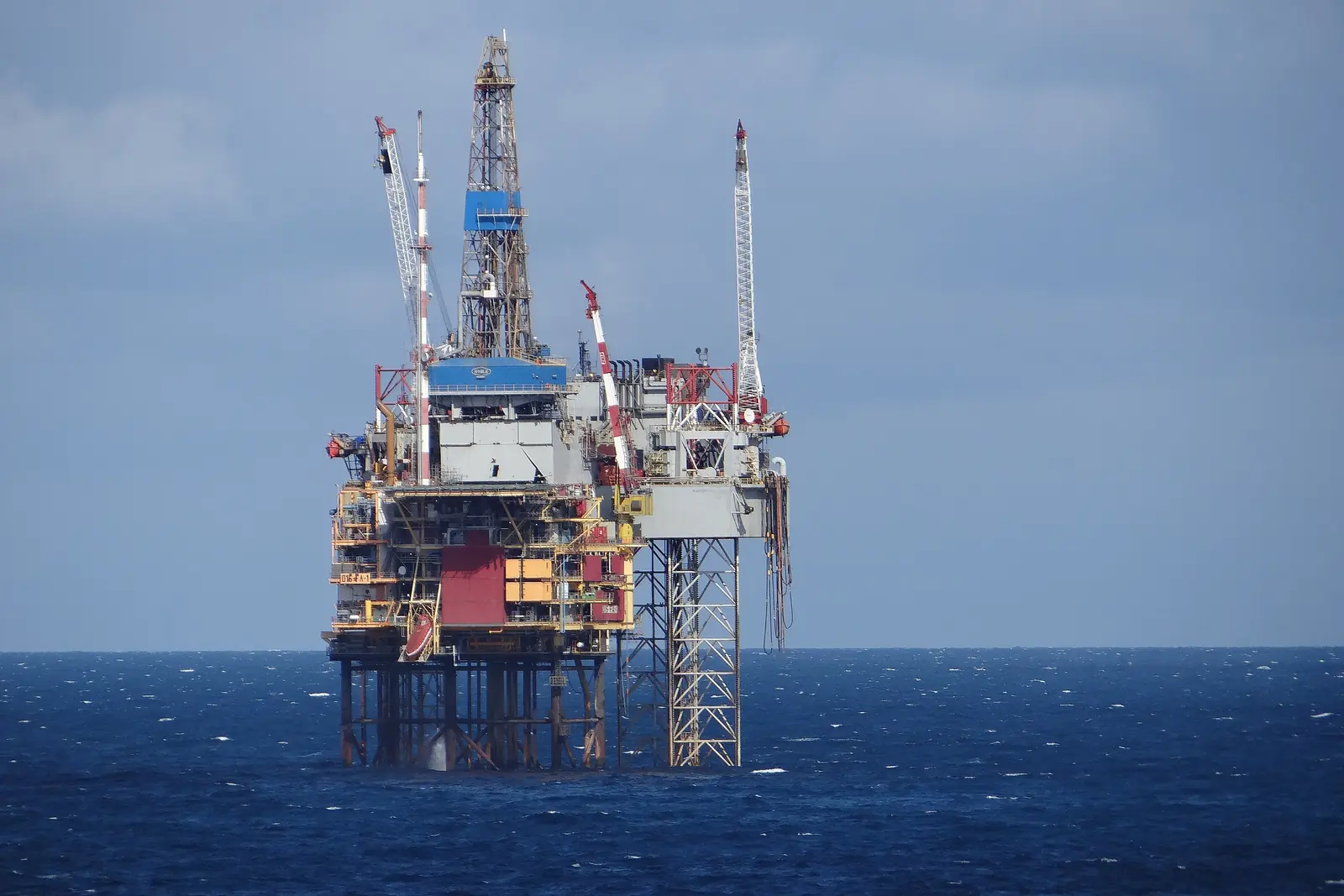
Aker BP drilled the well using Saipem's Scarabeo 8 semisubmersible rig, terminating it in the Smith Bank Formation, a Triassic-age rock unit. The operators secured a 54-meter core from the Vestland Group during drilling before the well was permanently plugged and abandoned.
Our read
The result leaves license 979 without a proven discovery after its first test. That does not close out the license: 15/6-17 tested one prospect in the license area, not the full acreage, and the Vestland Group did carry sandstone with hydrocarbon indicators, even though the shows were weak.