Babcock & Wilcox has ordered another 1 gigawatt of steam turbines from Siemens Energy, stockpiling equipment ahead of its next power project for the AI data center market. B&W announced the order Aug. 10 alongside its second-quarter 2026 results, and said the turbines are due for delivery within 12 to 15 months.
Ordering the turbines early could let B&W move faster once its next data center power project is ready for construction. Chairman and CEO Kenneth Young said the company is in active talks on other AI data center opportunities and placed the order 'to secure speed to markets.'
Data center developers are racing to lock down large amounts of reliable electricity as AI use grows. That demand has increased calls for new power generation, particularly in places where the existing grid cannot add capacity fast enough to keep up with new development.
The Base Electron project keeps moving
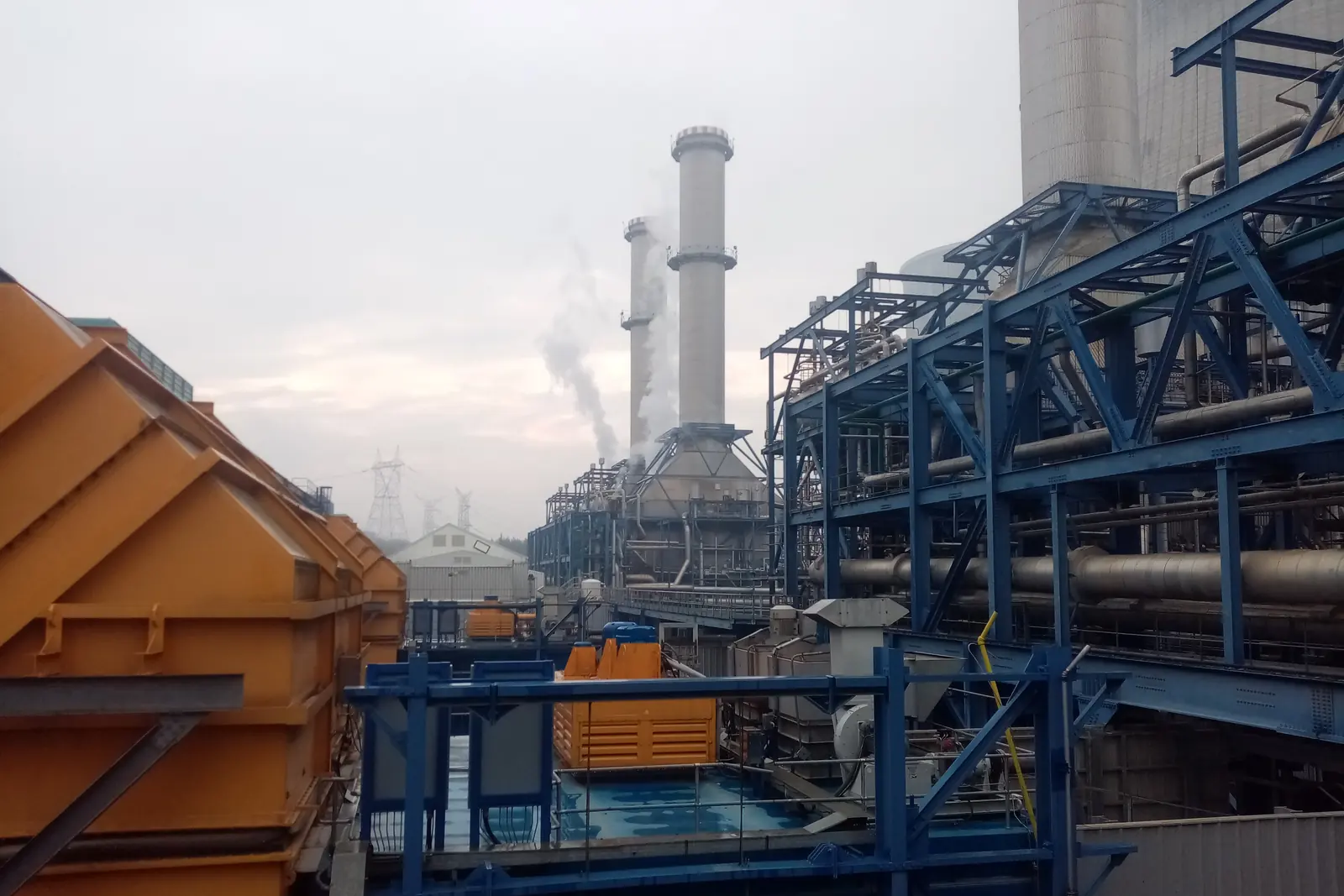
The new turbine order builds on B&W's existing work with Siemens Energy on a $2.4 billion power project for Base Electron, an independent power producer working with Applied Digital. B&W received a full notice to proceed on the project in March. The plant is expected to provide 1.2 GW of power for Applied Digital's AI data center campuses, using four 300-MW natural gas-fired boilers along with Siemens Energy steam turbine generators and other equipment. Steam from the boilers will drive the turbines to generate electricity for the data centers.
Manufacturing of the boilers, turbines and other equipment is underway, and the project has entered the permitting process. B&W said the project is ahead of expectations and on budget. Base Electron has also been considering an option for an additional 1.2 GW of generation capacity.
A power story for industrial contractors
Large data center campuses need more than servers and buildings. They can also require power plants, substations, natural gas infrastructure, electrical and water systems, and roads, work that overlaps with what contractors already do for refineries, chemical plants and traditional power plants. That can include site preparation, foundations, structural steel, piping, electrical systems, equipment installation, and testing and startup, plus crane services, fabrication and maintenance.
B&W said rising electricity demand is increasing its own need for engineers, project development employees, welders and electricians. The company has its own construction and installation operations, but the scale of the planned projects could create work across the broader contractor and supplier market. Some developers are pursuing dedicated power plants rather than waiting for utilities to build new grid capacity, turning the data center buildout into a power generation story for contractors as much as a construction one.
B&W's global pipeline of potential projects now exceeds $14 billion. Its backlog, representing awarded work not yet completed, reached $2.6 billion in the second quarter, up 533% from a year earlier.