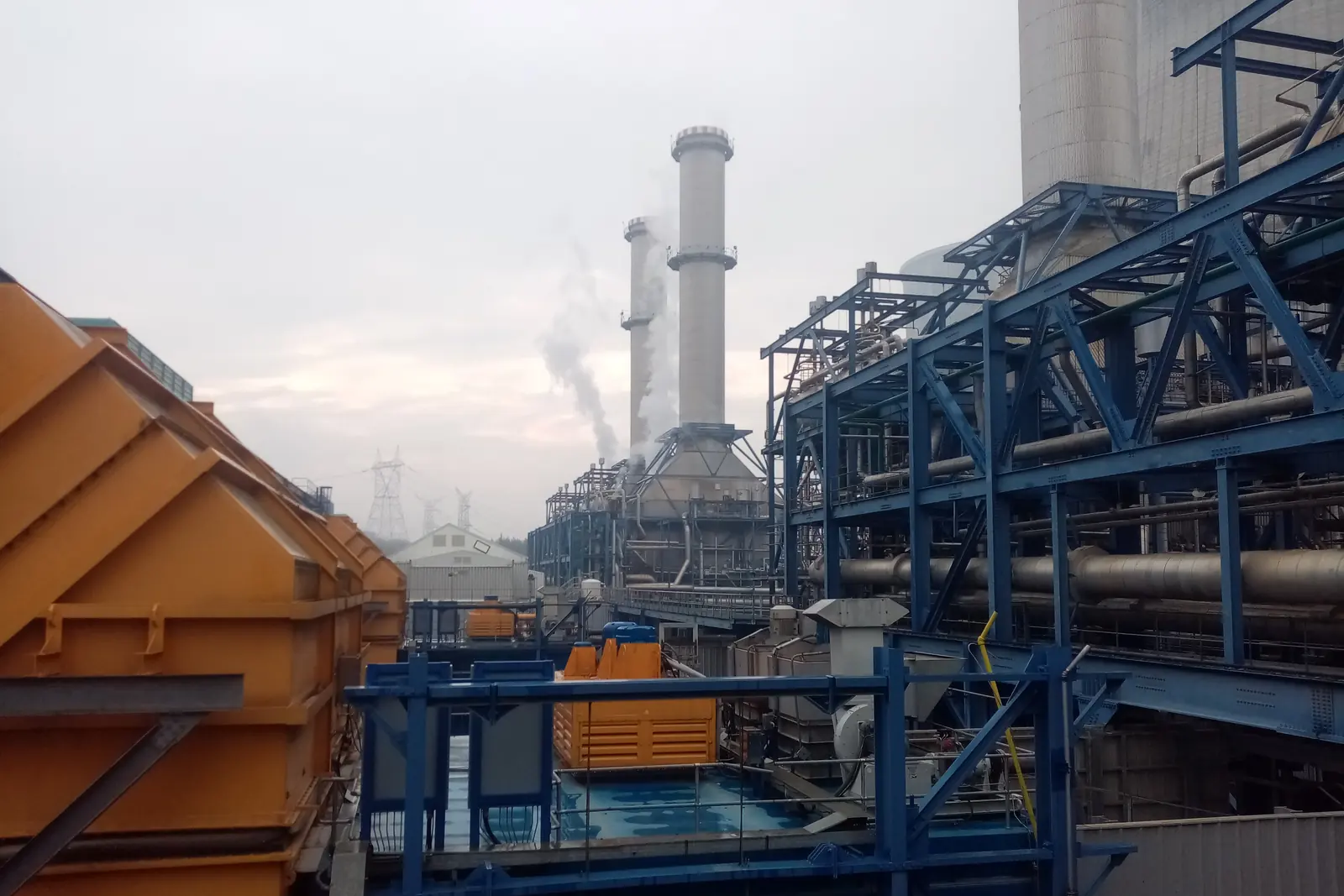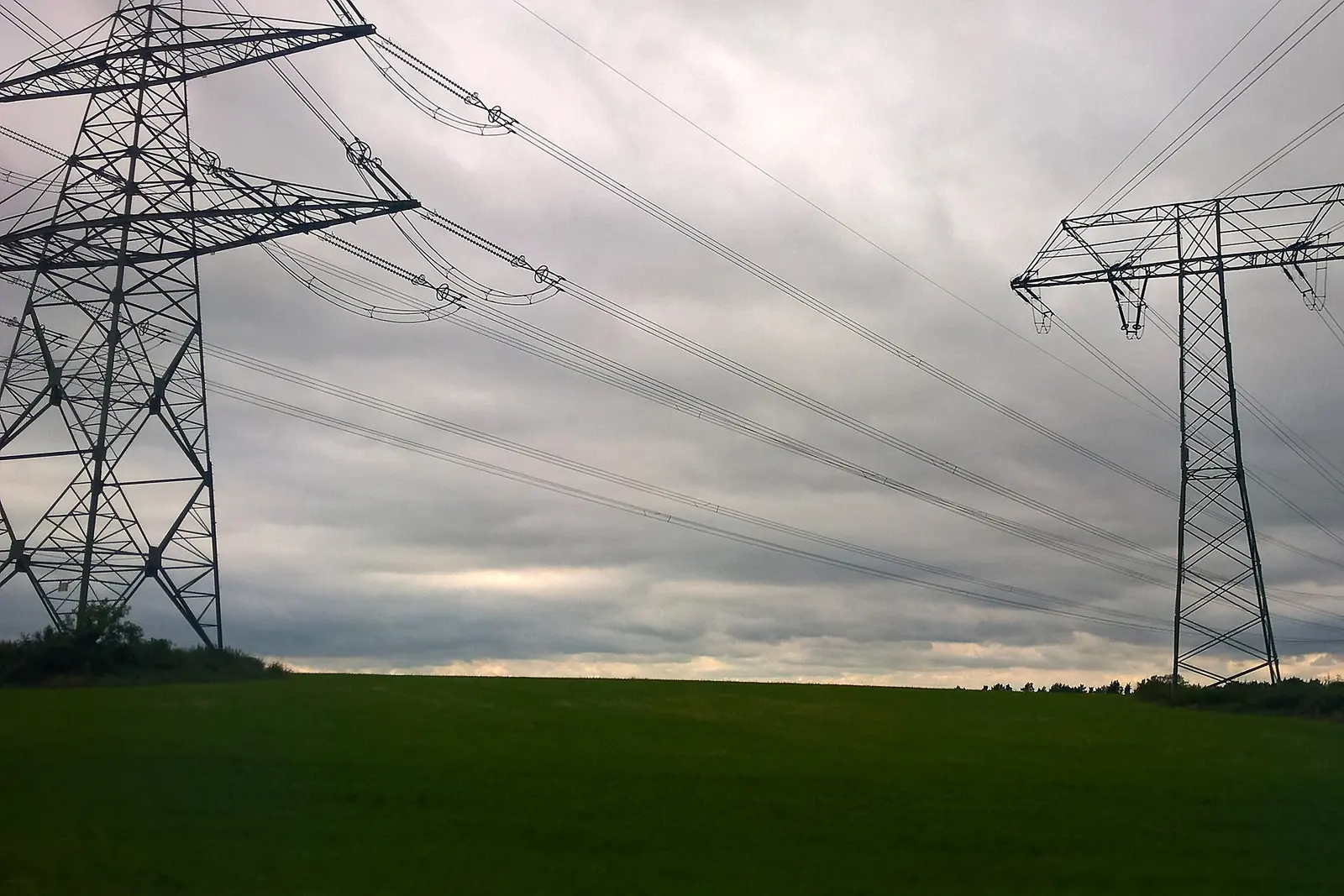
U.S. Secretary of Energy Chris Wright issued an emergency order directing the Midwest Independent System Operator (MISO), together with Consumers Energy, to keep the 1,420-megawatt J.H. Campbell coal-fired power plant in West Olive, Michigan available to run under economic dispatch, the method grid operators use to call on the lowest-cost mix of available plants while still meeting demand. The order takes effect August 17, 2026, and runs through November 14, 2026.
A plant that was set to close last year
Campbell was originally scheduled to shut down on May 31, 2025, fifteen years before the end of its design life. DOE has issued a string of orders since then, using emergency policy authority to keep the plant online, and it has operated regularly during periods of high electricity demand and low wind and solar output. Subsequent orders followed throughout 2025 and 2026, and the new order extends that arrangement into mid-November.
Wright tied the move to preventing outages, saying the administration remains committed to doing "everything in our power" to avoid them. Coal plants like Campbell, he added, need to stay available "regardless of whether the wind is blowing or the sun is shining."
MISO's reliability warnings
DOE's order cites two NERC assessments of the region MISO covers. NERC's 2025 Long-Term Reliability Assessment, released in January 2026, found the MISO region at high risk of energy shortfalls over the next five years, pointing to generator retirements that are outpacing new resource additions. NERC's June 4, 2026 State of Reliability report flagged growing difficulty managing shoulder-season demand swings, including several recent cases of "pre-contingent load shedding."
DOE's own Resource Adequacy Report states that before Trump's election, the country was on track for up to 100 times more blackouts by 2030 because of early plant retirements and rising demand. DOE says 17 gigawatts of coal-fired capacity that would otherwise have retired in 2025 have stayed online nationwide as a result of its emergency orders.