Global coal demand will rise 1.2% this year to a record 8.94 billion tonnes, the International Energy Agency said in its Coal Mid-Year Update 2026, reversing an earlier forecast that had called for a slight year-over-year decline.
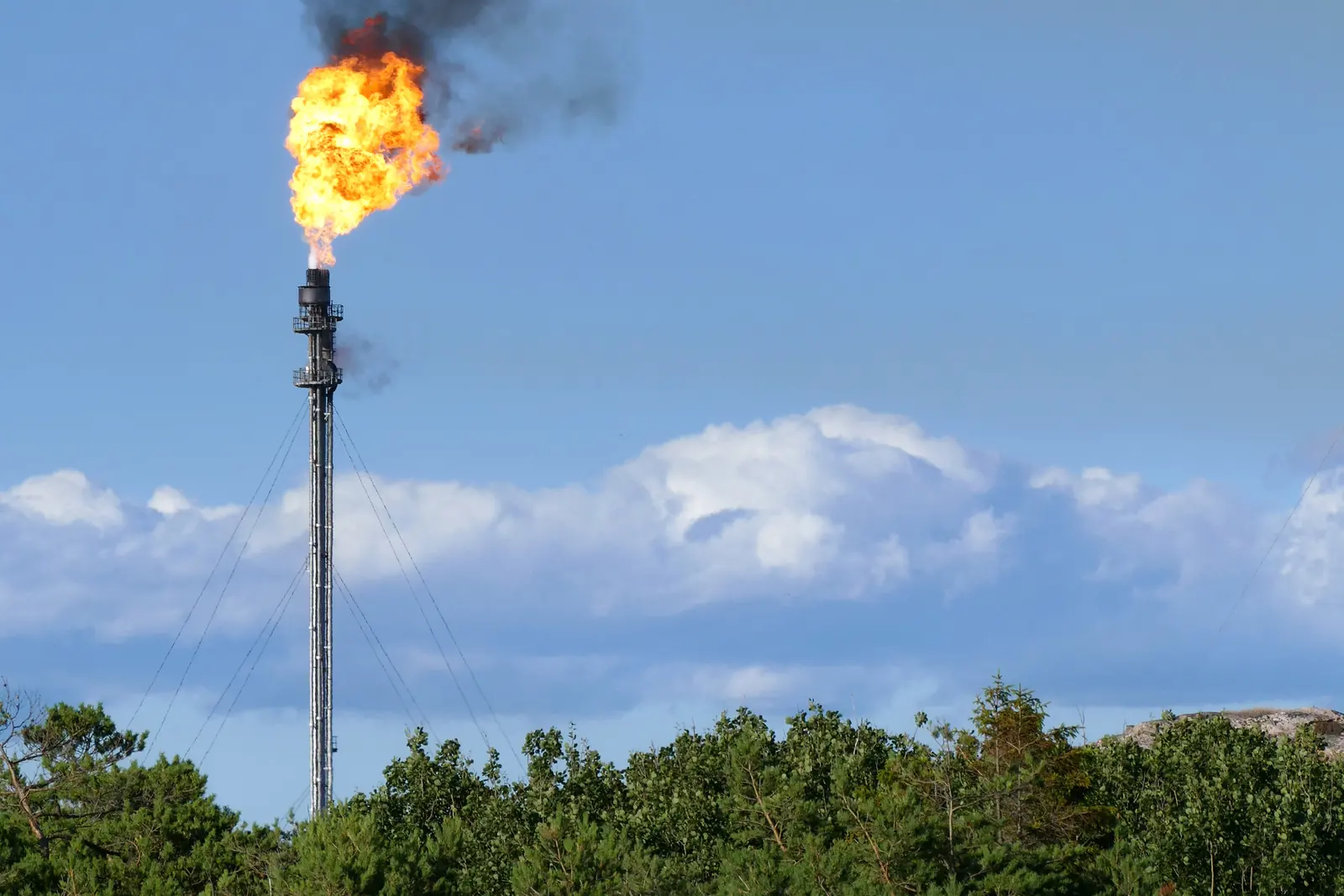
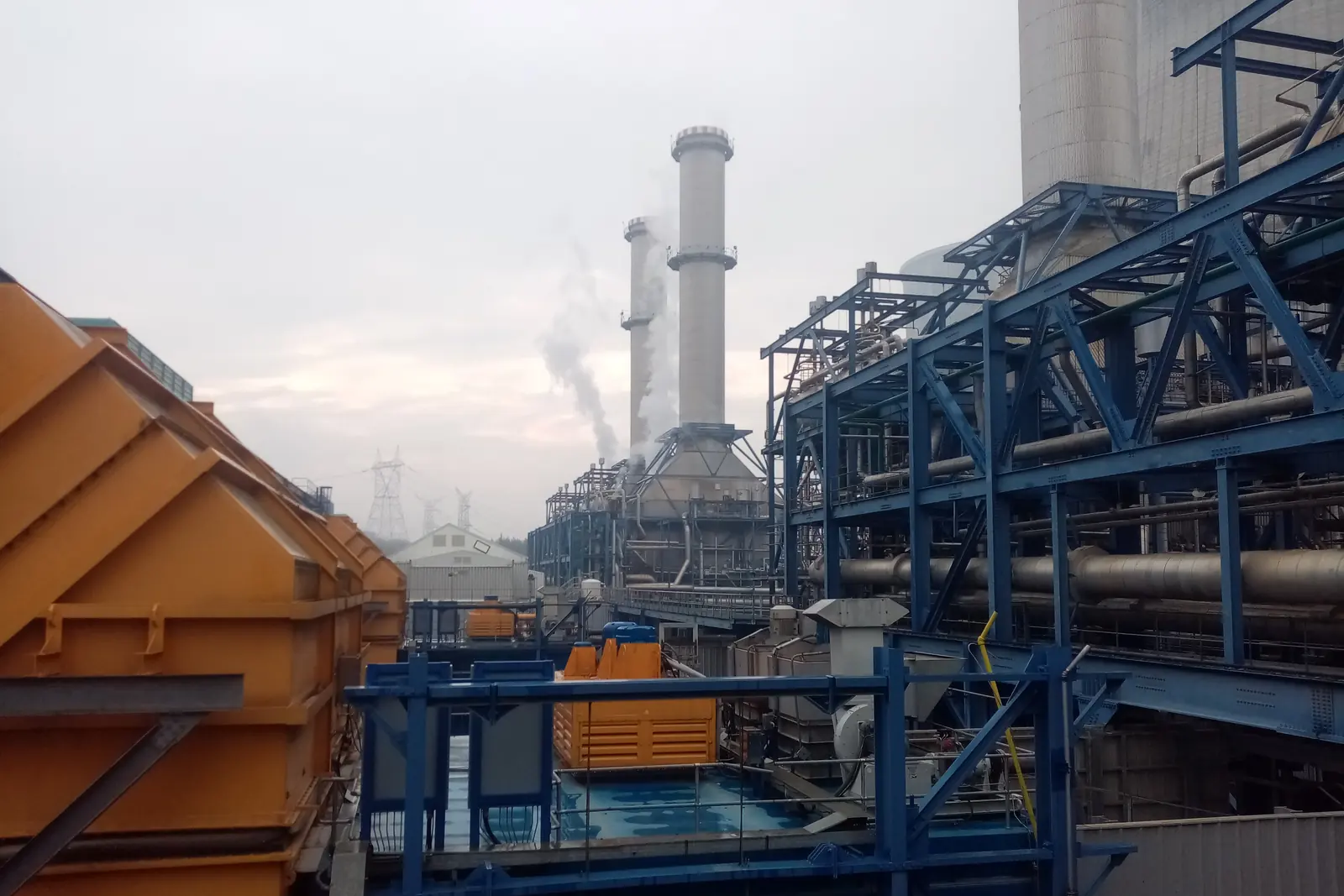
The revision follows disruption to natural gas markets tied to the conflict in the Middle East. Virtually no coal shipments pass through the Strait of Hormuz, since the region is neither a major coal producer nor a major consumer, but the drop in liquefied natural gas shipments through the strait has pushed up natural gas prices elsewhere. Countries that run gas-fired power fleets alongside spare coal capacity have responded by burning more coal, the IEA said. That shift has lifted coal use in Europe, Japan, Korea, China and other markets above earlier expectations. China has also burned more coal to make chemical products, a response to high oil prices, according to the report. The agency also pointed to expectations of a strong El Nino weather pattern this year, which is expected to raise cooling demand and cut hydropower output in India and Vietnam, adding to coal demand in those countries.
2027 outlook hinges on the strait
The IEA said the picture could shift again next year, with the outcome tied largely to whether shipping traffic through the Strait of Hormuz recovers. If LNG flows rebound and natural gas prices fall back toward pre-conflict levels, coal demand could decline in 2027. If the strait stays largely closed to LNG shipments, coal demand could rise further, the agency said.
On supply, global coal production is expected to decline in 2026 after hitting a record in 2025, though it will stay above 9 billion tonnes for a third straight year. The drop traces to reduced output in China, the world's largest coal producer, following safety inspections ordered after a mine accident in May. The narrowing gap between coal production and consumption is expected to ease the buildup of coal inventories seen in recent years. Production is set to rise again in 2027 as Chinese output rebounds, even as import-dependent countries such as Japan and Korea buy more coal on international markets. The IEA said those trends, combined with tight supply, are pushing coal prices higher worldwide.