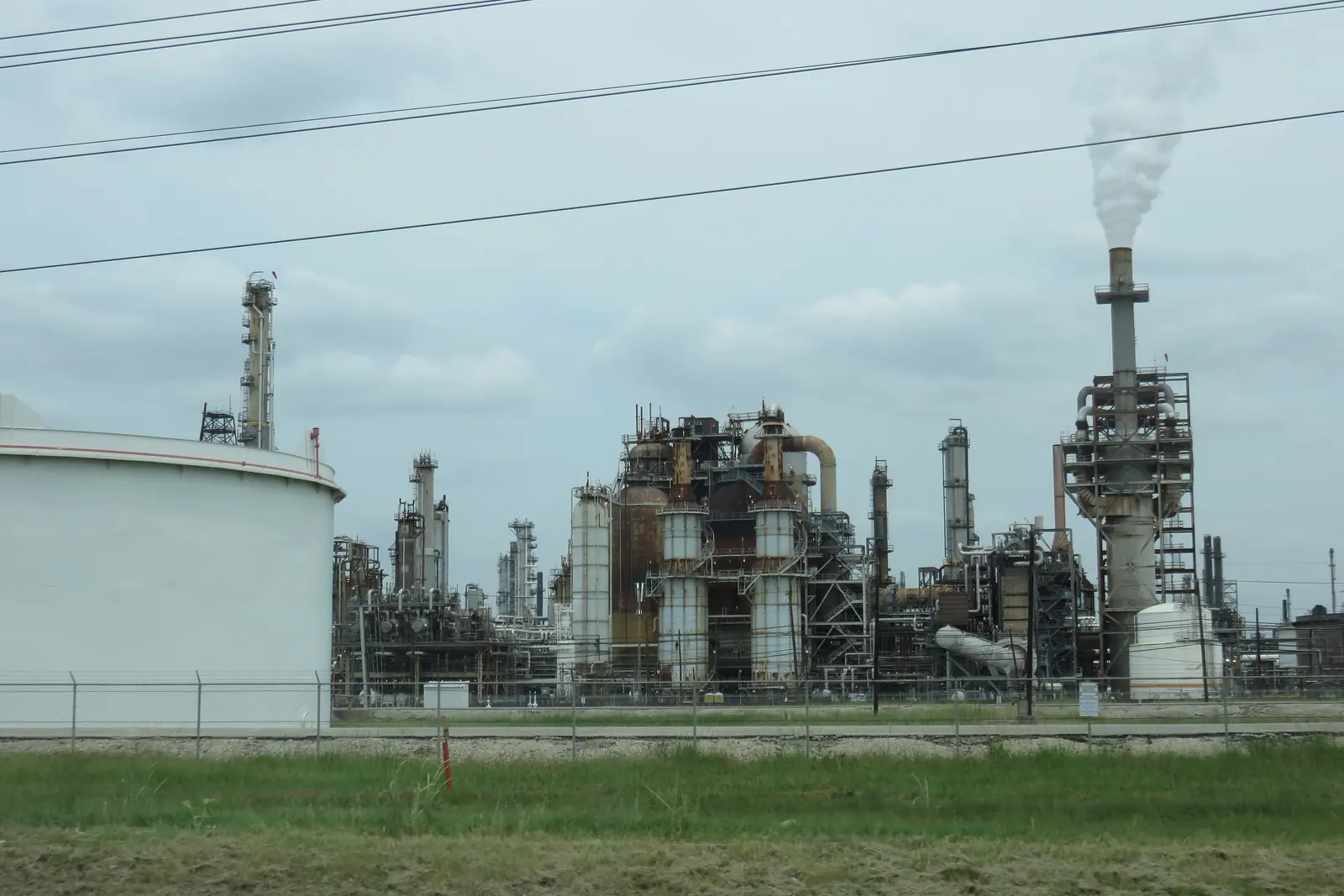
US refineries process more than 16 million barrels of crude oil a day, while domestic wells produce just under 14 million, according to AFPM. That gap, layered on top of differences in crude quality, is why the world's largest crude producer still imports and exports both crude oil and refined fuel.
The explanation comes as supply disruptions tied to the Strait of Hormuz have renewed questions about US energy security and why events on the other side of the world still move fuel prices at home.
- Domestic crude oil production: just under 14 million barrels a day
- US refinery crude processing: more than 16 million barrels a day
- Crude oil grades traded worldwide: more than 150
Why refiners still need imports
More than 150 crude grades move through world markets, varying by weight, sulfur content and how much gasoline, diesel and jet fuel each one yields. Most US crude runs lighter than the range many domestic refineries were built to handle, since many of those plants are complex facilities designed for heavier crude slates. Imports supply the heavier barrels those refiners need to run efficiently.
Transportation costs and infrastructure factor in too. Even when domestic crude is available, it is not always the cheapest option for every refinery, and imports step in when the right grade of domestic crude is not available or cannot be delivered at a competitive cost.
Why the US still exports its own crude
The same light-heavy mismatch runs in reverse. Much of the crude produced domestically is lighter than what US refiners want, but it suits refineries in Europe, Asia and other markets built to run lighter grades. That split lets the US import the heavier crude its own refineries need while selling the lighter crude that is in demand overseas.
Refined products follow the same pattern. The US imports gasoline, diesel and jet fuel because not every region has enough refining capacity of its own, and not every market can be supplied economically from Gulf Coast refining centers. Pipelines do not reach every region, and moving fuel by water costs more, a cost pushed higher on domestic routes by Jones Act limits on marine transportation, which makes imported fuel the cheaper supply option for parts of the East and West coasts.
At the same time, AFPM says the US refining system is among the most efficient and price competitive in the world, which makes it one of the leading exporters of refined products. Diesel is the country's largest refined product export: US refineries cannot make gasoline efficiently without also producing diesel, and much of the world runs more on diesel than the US does, leaving a surplus that refiners sell abroad.
AFPM frames that flexibility as a strength, not a weakness: importing and exporting crude and refined products lets the market balance refinery needs, product demand and transportation costs, so Americans keep steady, affordable fuel supplies even when global markets are under strain.