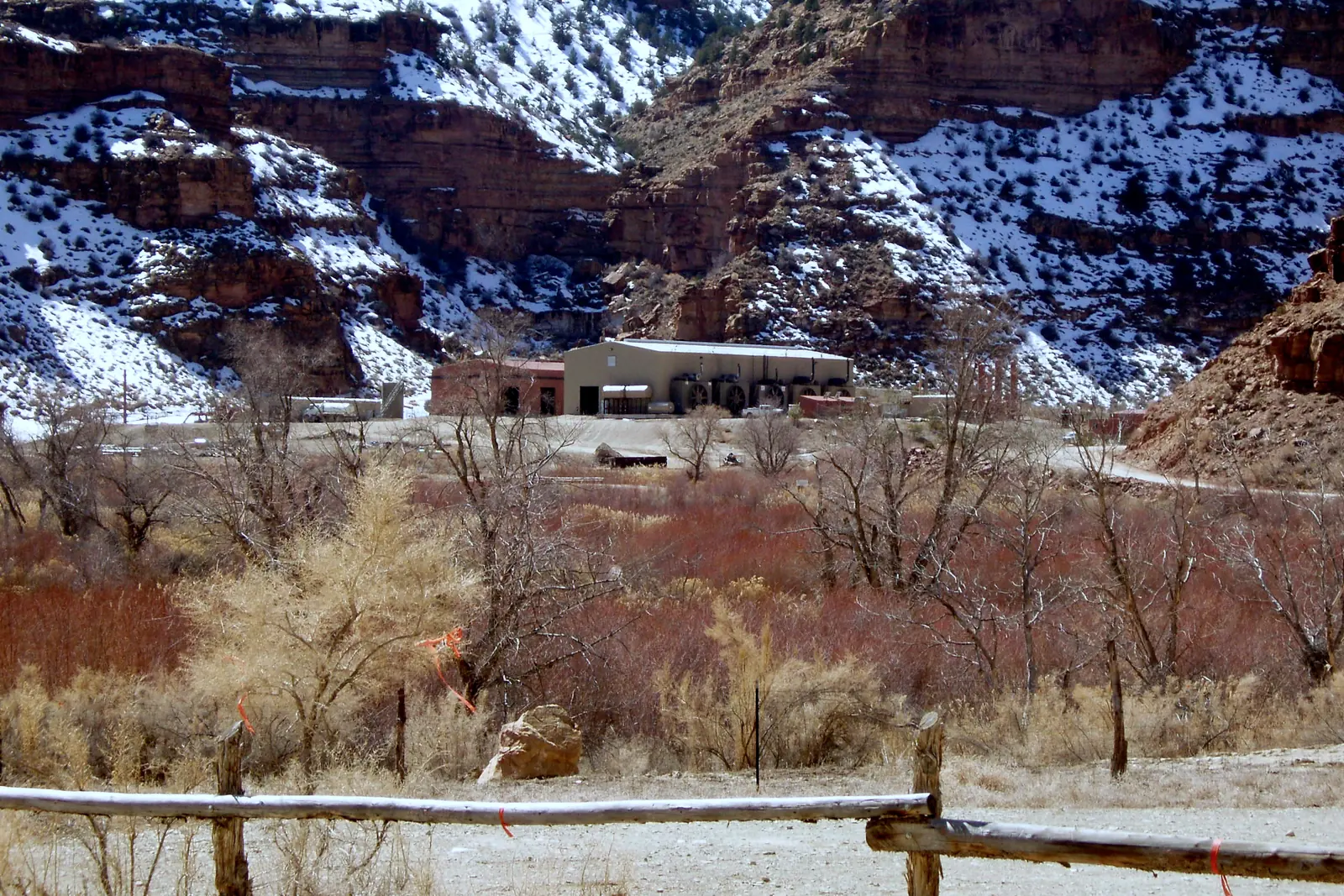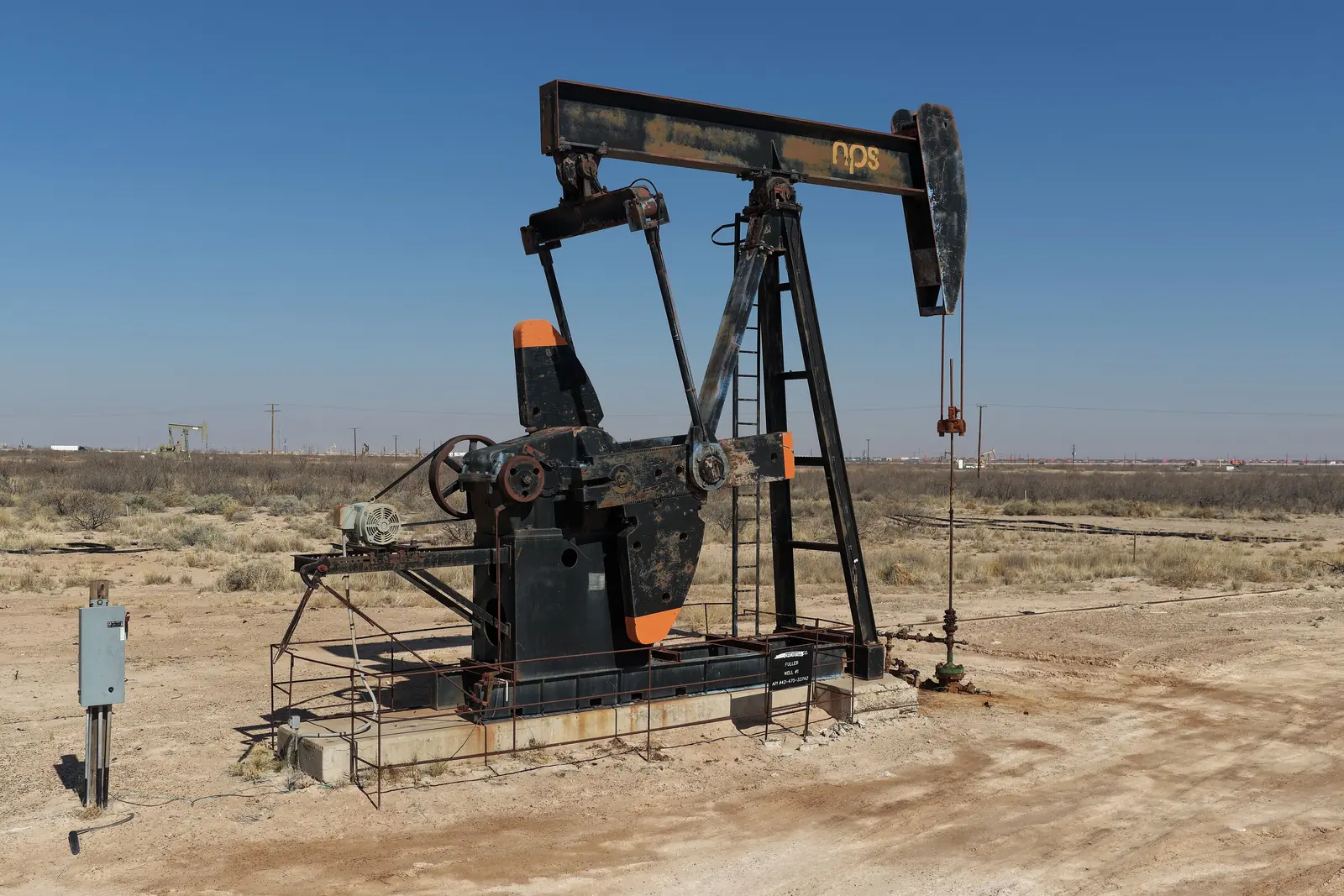
Helmerich & Payne's FlexRig 648 has started moving to the Canyon-3 well site on the eastern flank of the Taroom Trough, the opening step in what Omega Oil & Gas calls its largest drilling program to date. Omega says the fully funded 2026/27 campaign could be "the most impactful program in Australia for over a decade," built on acreage it believes could hold oil and gas volumes large enough to matter internationally.
Five reservoir layers, one program
The upstream plan runs four vertical wells and one or two horizontal wells into five stacked reservoir layers within the Permian sands, with fracture stimulation and flow testing built into each well. The wells follow Omega's earlier Canyon-1/1H and Canyon-2 wells and are meant to check whether the same overpressured sands holding oil and gas extend without a break across the rest of the company's acreage.
Two terms explain the design. A reservoir is overpressured when it holds more pressure than normal for its depth, which Omega says helps push oil and gas out faster once a well is drilled. Tight-sand reservoirs have low natural permeability, so producing from them at commercial rates usually needs fracture stimulation, which is why frac work and flow testing appear in every well planned here.
Omega frames the wider goal as de-risking what it calls "a rapidly emerging Permian unconventional play." That means demonstrating the resource's scale and getting wells to flow at repeatable commercial rates, while also building out the company's broader resource base. The four vertical wells come first because their results will set where Omega places the horizontal well or wells, and will supply the data needed to judge commercial flow performance once the reservoir has been stimulated.
Two pads built, a third on the way
- Two well pads are already built in petroleum tenement PCA 342, for the Canyon-3 and Canyon-4 wells.
- A third pad is under construction at the southern end of tenement ATP 2081.
- Land access for the first ATP 2081 well site, subject to joint-venture approvals, came through just over three months after the tenure was granted, which Omega calls "an industry-leading outcome."
- Each vertical well, including the time to move the rig between locations, is expected to take about 30 days.
CEO and managing director Trevor Brown said Omega plans to drill one well a month as the program runs.
The company's case for the acreage
Omega describes the eastern flank's geology as "analogous to some of the best unconventional basins in the US," pointing to similarities in depositional setting, reservoir targets, structural configuration and the presence of oil. It also cites significant reservoir overpressure across the eastern flank, calling it "a key driver of productivity in unconventional reservoirs" and saying it is "supporting strong oil and gas flow rates and enhancing commercial development potential." Other operators are appraising ground elsewhere across the Taroom Trough too, work Omega says is adding to the region's geological picture.
Brown called the rig mobilization "an important milestone in evidencing the vast potential of the eastern Taroom Trough." He said Omega's confidence in the acreage is high, based on well results to date and a geological model shaped by many years of technical and regional study, and that the eastern flank offers "a compelling combination of scale, reservoir quality, structural setting and liquids potential." With the program fully funded, he said Omega expects "a steady flow of results" as drilling proceeds.