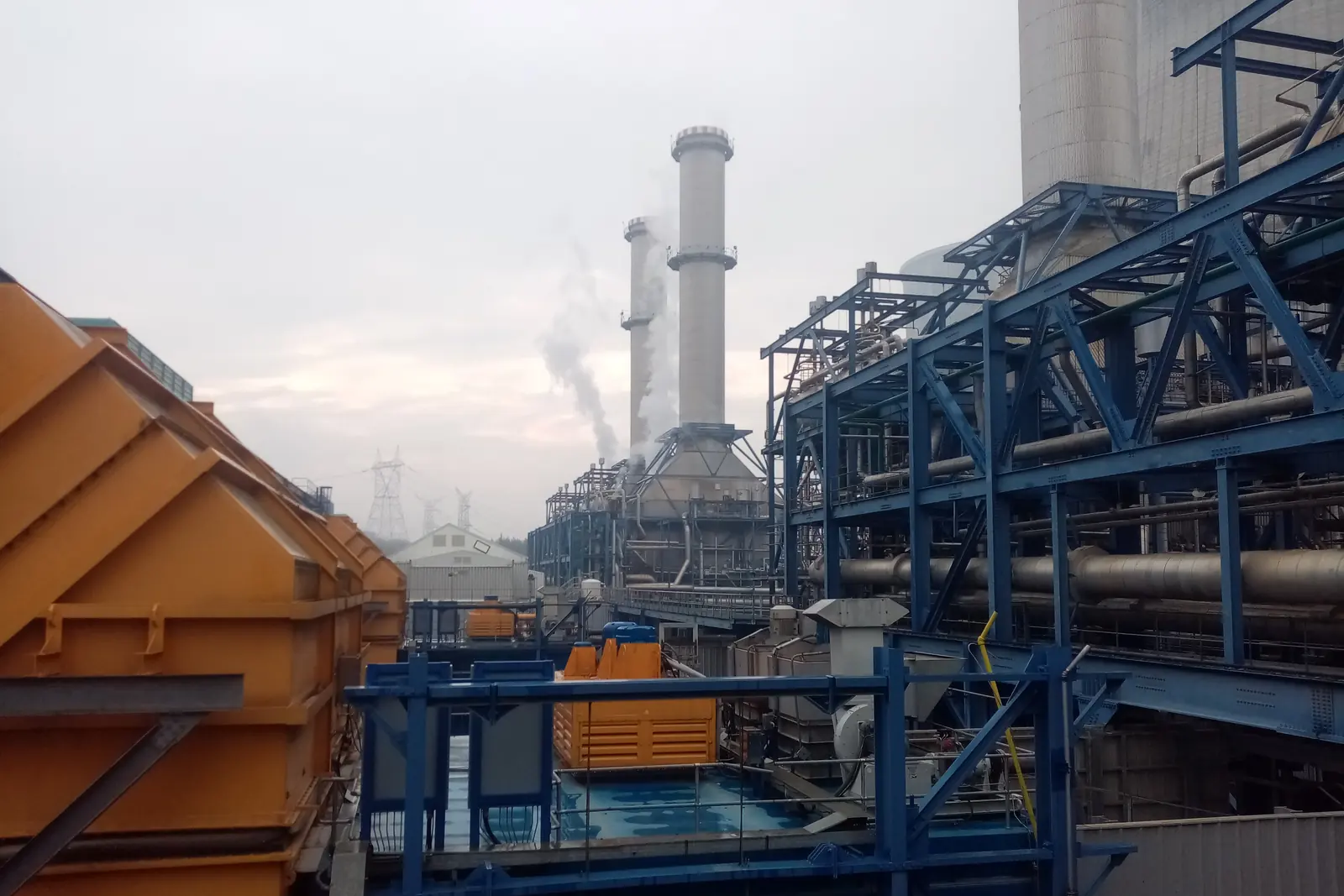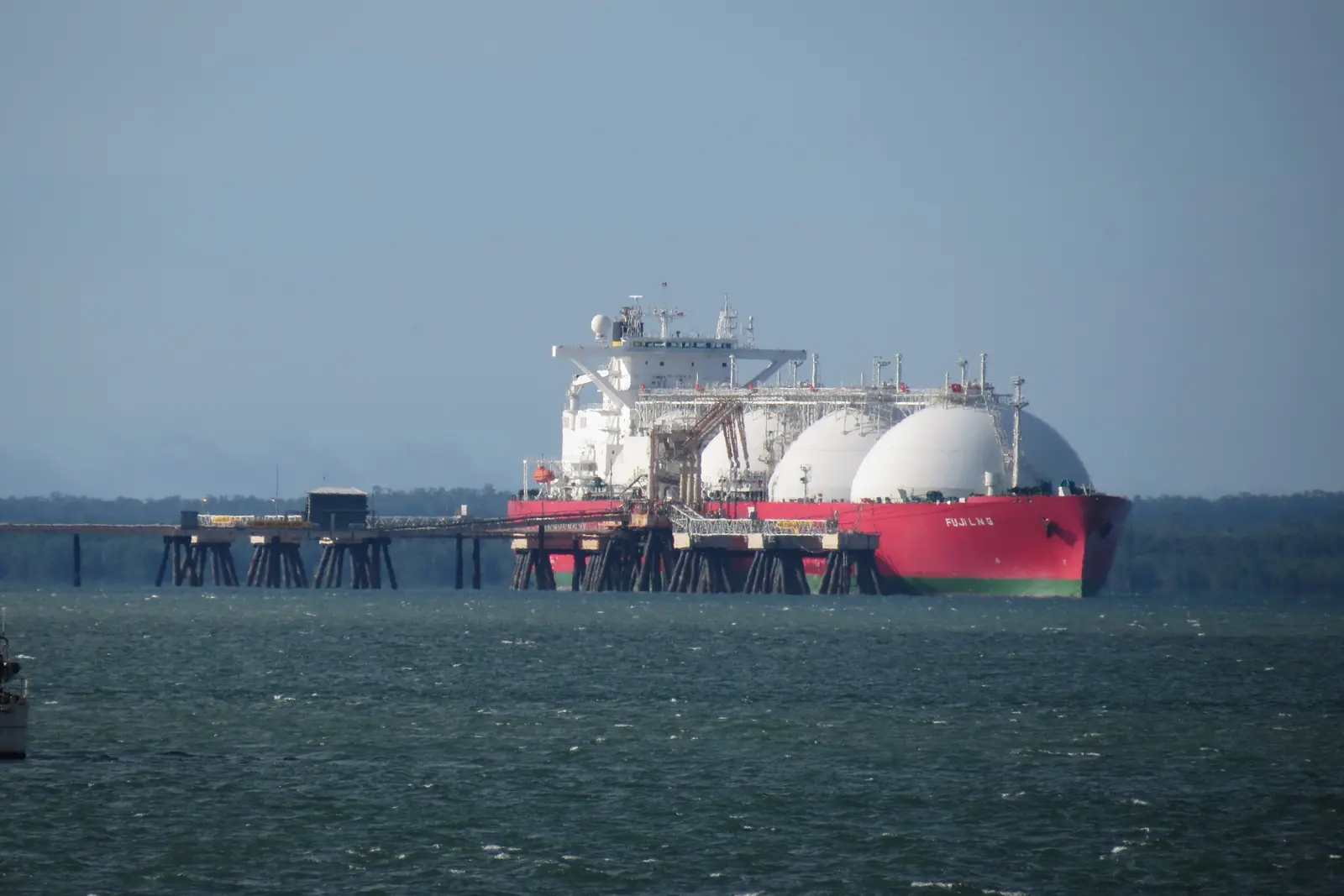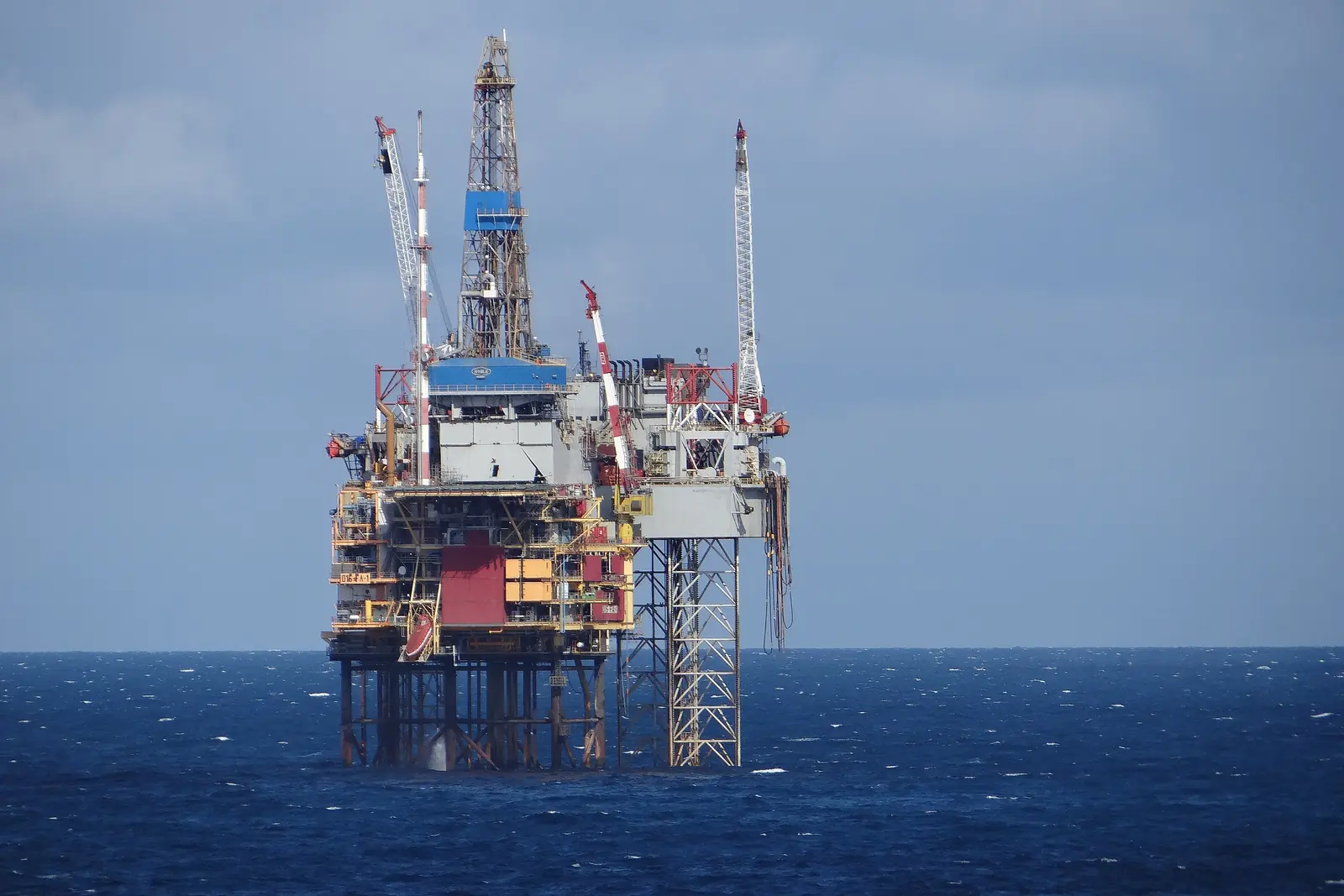
Troll Phase 3 stage 2 began producing gas on 22 August, coming on stream months ahead of its original end-of-year target and several hundred million Norwegian kroner under its NOK 12.3 billion cost estimate. The subsea project taps the gas cap sitting above the oil column in the Troll West reservoir, in the North Sea, and sends that gas to the Troll A platform for processing.
The early, under-budget start is a clean execution win on a field that has anchored Norwegian gas exports for three decades.
What the project adds
Troll Phase 3 stage 2 speeds up production of 55 billion standard cubic metres of gas from Troll West, a volume Equinor says corresponds to nearly two years of France's gas demand. The gas flows onward through Troll A and the Kollsnes processing plant, which marks its 30th anniversary this year.
Lill Harriet Brusdal, vice president for Troll and Kvitebjørn, said "Troll is the backbone of Norwegian gas exports to Europe." She said the project speeds up production from the reservoir to help hold today's export levels from Troll and Kollsnes for as long as possible, and noted that both Troll A and Kollsnes run on power from shore, which keeps emissions from the gas low.
Faster and cheaper than planned
Troll Phase 3 stage 2 reached first gas just over two years after the partners sanctioned it, and ahead of the end-of-year date the partnership had originally targeted. Trond Bokn, senior vice president for project development at Equinor, said the team reached "several hundred million Norwegian kroner below the cost estimate" with strong HSE results. He credited efficient marine operations and a drilling campaign that was "completed 25 per cent faster than planned."
The eight-well drilling campaign took five and a half months, run from the Deepsea Aberdeen rig, from Odfjell, with services from SLB and Baker Hughes. Templates and manifolds came from Aker Solutions' yard in Egersund, built for main supplier OneSubsea and installed on the field by Ocean Installer. OneSubsea's Moss facility supplied the umbilical, and crews extended the existing MEG line to reach the new wells.
The pipeline and the ripple effects
A 28-kilometre, 36-inch pipeline connects the new wells to Troll A, laid by Pioneering Spirit, described as the world's largest pipelay vessel, using line pipe that had been stored on Stord. Randaberg Industries supplied the spools and pipeline end terminations, and Aker Solutions carried out the modifications needed on the Troll A platform itself. Equinor said the work has generated large ripple effects across Norwegian industry, on top of the secure gas deliveries, jobs and revenues it supports for Norwegian society.
Troll Phase 3 stage 2 builds directly on the subsea facilities installed for the original Troll Phase 3 project, which came on stream in 2021, reusing its design and standardized solutions. Equinor said that approach cut both execution time and cost, and points the way for future subsea projects on the field.
Who owns Troll
| Partner | Stake |
|---|---|
| Petoro | 55.93% |
| Equinor (operator) | 30.55% |
| Shell | 8.19% |
| TotalEnergies | 3.69% |
| ConocoPhillips | 1.64% |
More than 90 percent of the profit the Troll field generates goes to the Norwegian state, through direct taxes and Petoro's ownership stake on the government's behalf.
Troll's weight in European gas
Troll holds around 40 percent of the gas reserves on the Norwegian continental shelf, and gas from the field alone covers about 10 percent of Europe's demand. The field's annual energy output is equal to three times Norway's annual hydropower production. This year marks Troll's 30th year as Norway's largest gas-producing field.
The field's development runs in three phases. Phase 1 covered the gas in Troll East and built Troll A and Kollsnes. Phase 2 covered the oil in Troll West, built the Troll B and C platforms, and sends that oil to the Mongstad terminal. Phase 3, which includes this stage 2 project, produces the gas cap sitting above the Troll West oil column while oil production there continues. Earlier this year, the partners also sanctioned the next step, the TWIN project (Troll West Increased gas recovery North), to keep developing that gas resource in stages.
Our read
Stage 2 does not add new gas to Troll's resource base. It moves forward gas that was already sitting in the reservoir, pulling it out sooner rather than finding more. Brusdal's own framing captures the limit: the goal is holding today's export level "for as long as possible," not raising it. For anyone watching Norwegian pipeline volumes into Europe, that is the difference between smoothing a decline and reversing one.