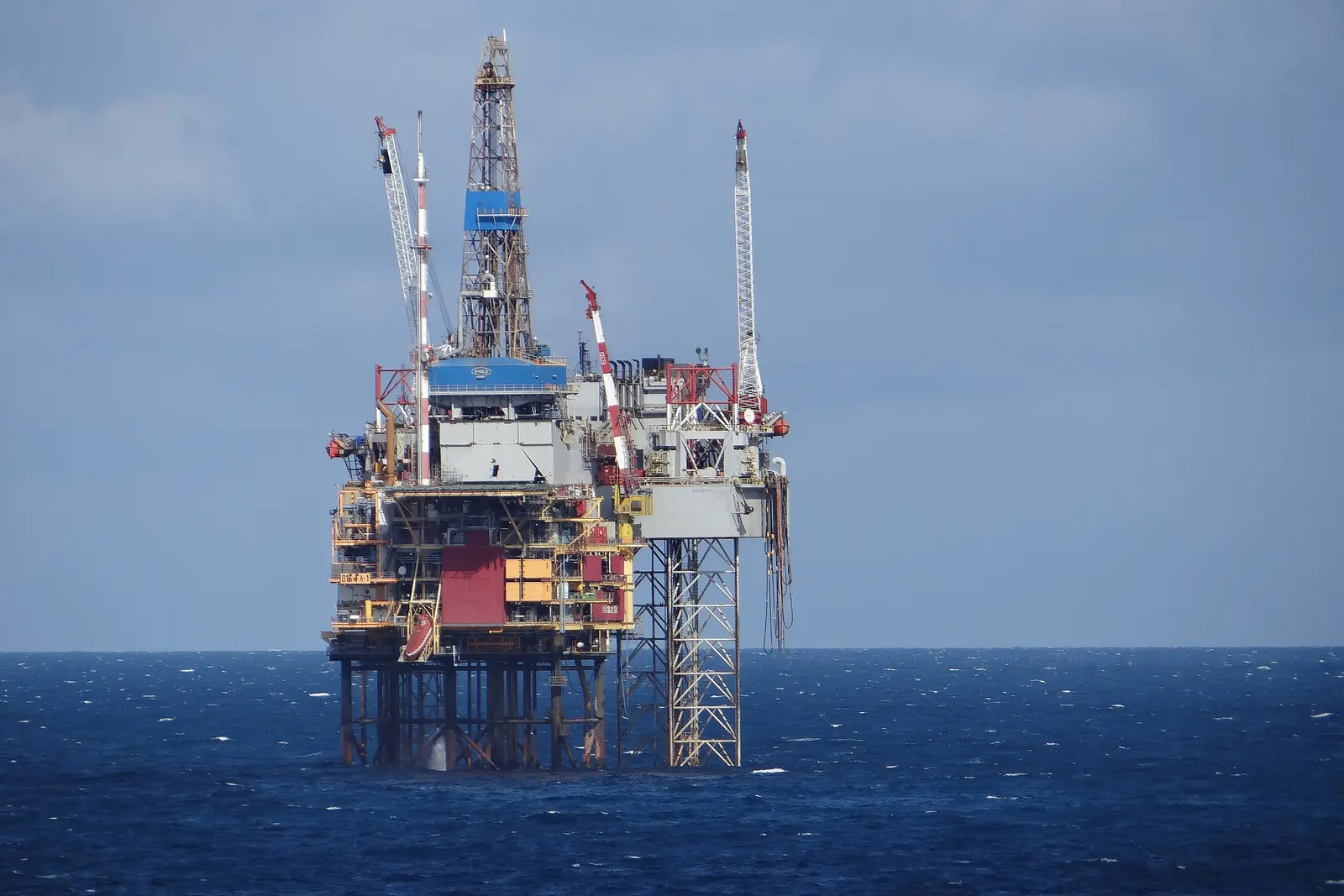
The UK Energy Secretary has agreed that the regulator can grant consent for gas production at the Jackdaw field, and the government says supply to British homes and businesses could start as early as the end of this month. The Chancellor announced a new Energy Wealth Fund alongside the decision, with an initial £2 billion injection.
What the government says Jackdaw delivers
The government expects Jackdaw to lift domestic gas production by around 6% at its peak. It puts the field's lifespan at up to 11 years and estimates the project will add £2.9 billion to the UK economy. It also says the field will protect hundreds of jobs and help heat millions of homes.
The government linked the decision to the Middle East, saying recent events there have triggered global energy shocks and pushed up household bills. The North Sea Transition Authority (NSTA) has granted the consent, which lets the developer begin operations. NSTA chief executive Stuart Payne said the consent allows the owners to proceed and produce gas once development work is complete. He said the project uses existing infrastructure and has an emissions intensity well below the UK average.
Licensing and climate test
Jackdaw was already licensed, so the government says the approval fits its manifesto pledge not to issue new licences to explore new fields while managing existing fields for their full lifespan. The decision follows the Supreme Court's 2024 ruling in the Finch case. Under that ruling, North Sea operators must now consider the impact of burning extracted oil and gas in their environmental impact assessments. The Energy Secretary therefore weighed a new environmental framework alongside the public consultation responses.
She concluded that Jackdaw will not stop the UK from meeting its legally binding carbon limits or reaching net zero by 2050.
The Energy Wealth Fund
The fund will use tax revenues from North Sea oil and gas to invest in renewable and low carbon energy projects. It starts with £2 billion, and future North Sea revenues will flow into it over time. The government says more renewable and low carbon power will mean gas sets the price of electricity less often, and that it expects to substantially delink gas and electricity prices by the end of this Parliament. The Budget is still to come.
Chancellor John Healey said the fund will back clean energy industries, jobs and growth. Prime Minister Andy Burnham said the approach is pragmatic and that the UK will still need oil and gas for decades even on its climate path. Scotland Secretary Douglas Alexander called the decision a win for Aberdeen and Scottish workers.
Other North Sea measures
The government said new Transitional Energy Certificates, announced last year, will allow some oil and gas production in already-explored areas near licensed fields, linked by a tieback. It is now asking the regulator to consider urgent cases that could benefit from similar measures before legislation on the certificates is in place. Discussions with industry have also begun on a refresh of the North Sea Transition Deal, first agreed in 2021.
The government also pointed to renewables activity. It said the UK has seen more than £100 billion of investment in renewable and low carbon energy since 2024, and that SSE confirmed 400 skilled jobs across Scotland through supply chain contracts for the Berwick Bank B offshore wind farm.
We covered the field's approval earlier: Jackdaw gas project approved, and OEUK now wants a wider North Sea push.