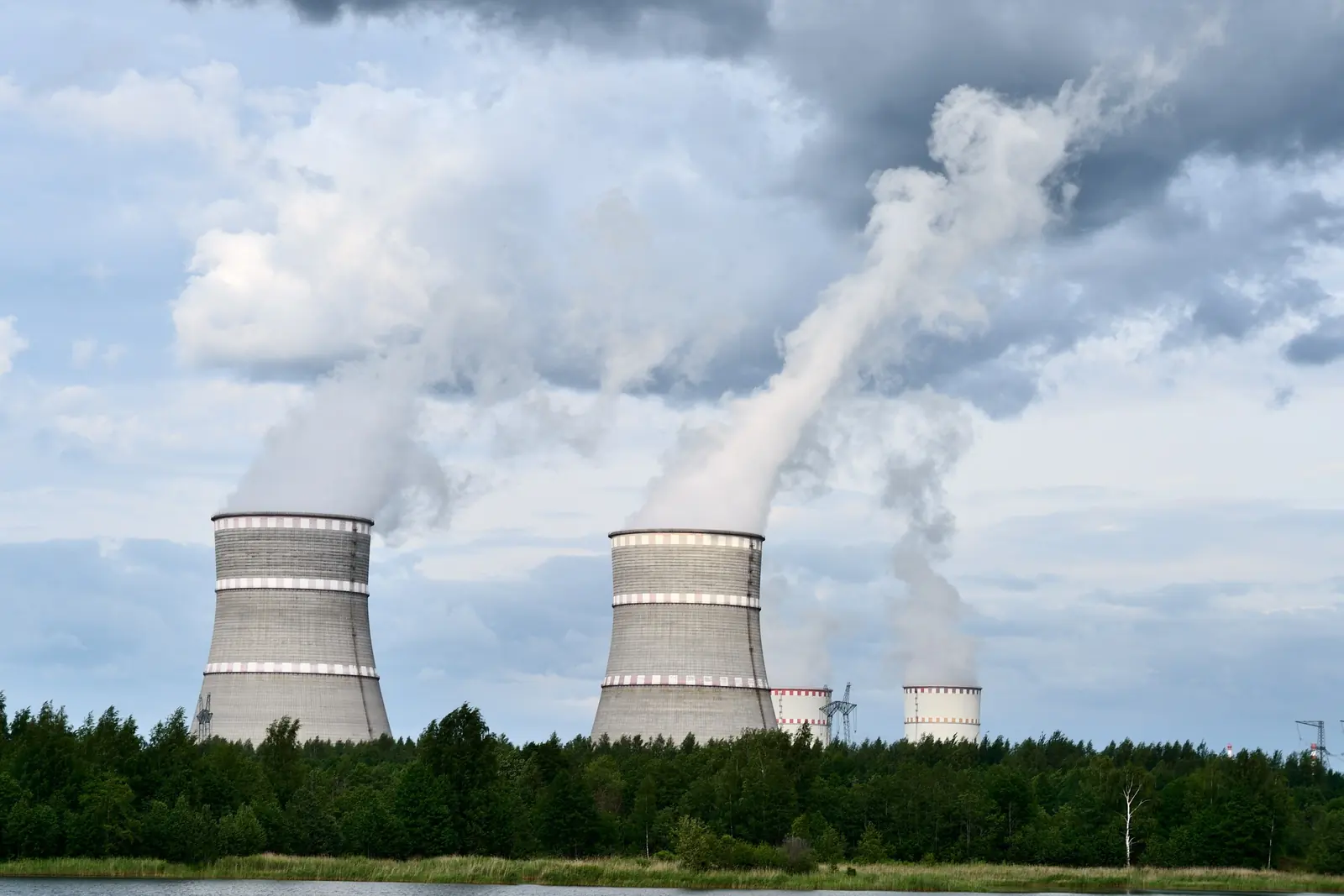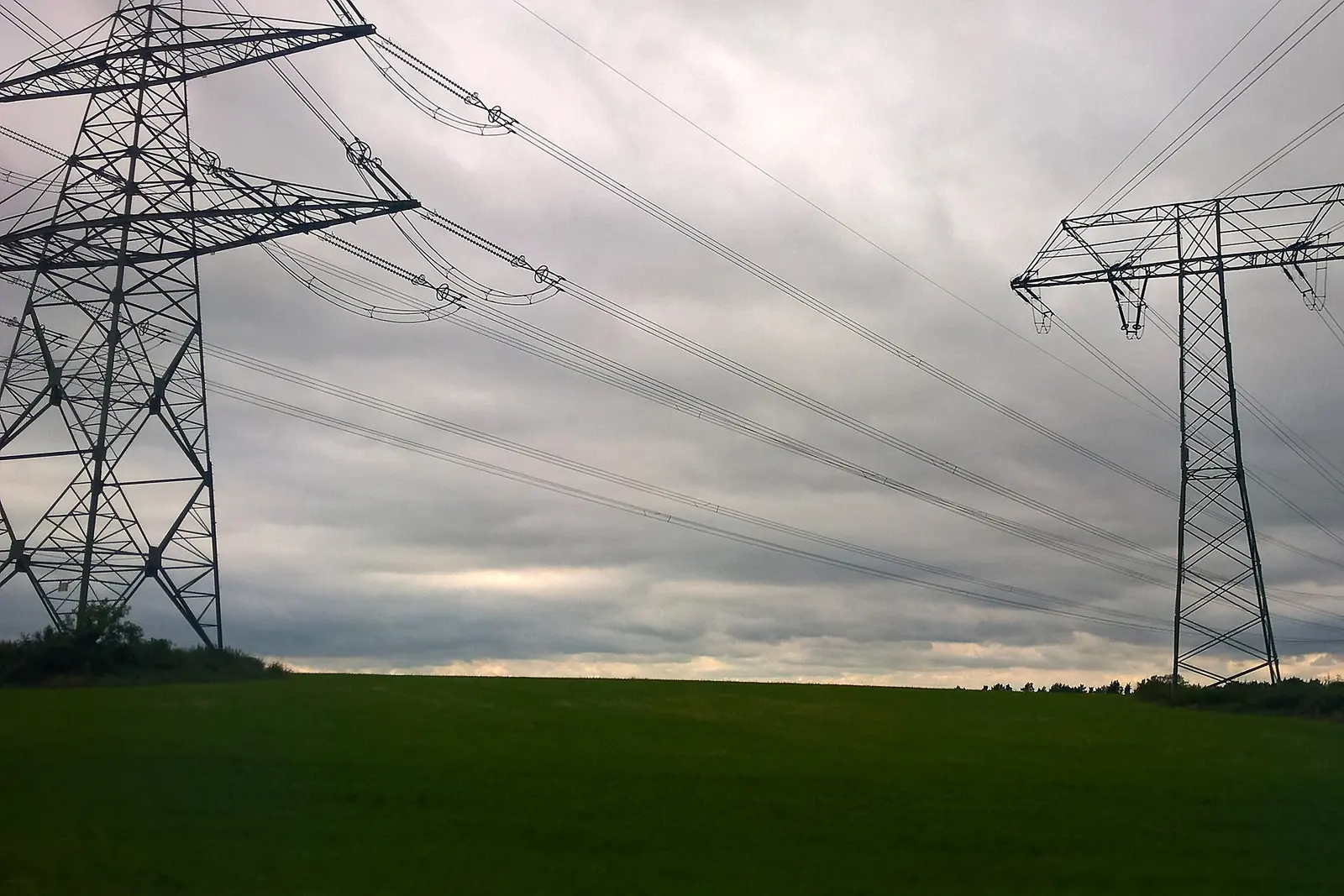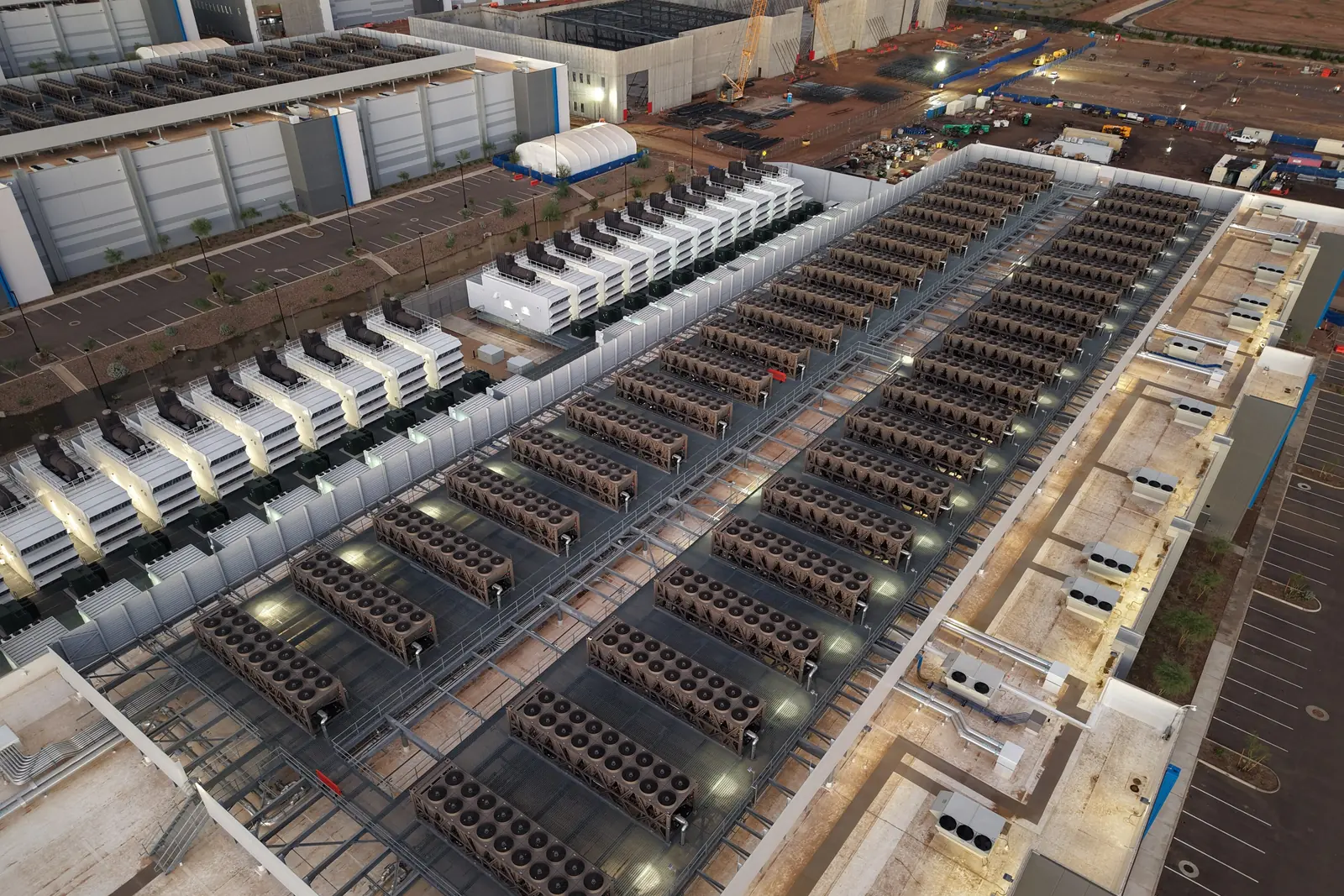
Power, not floor space, is now the limit on data center growth. One megawatt of electricity runs about 750 single-family homes, and the U.S. built 1,957,000 new single-family homes in 2023 and 2024 combined, or roughly 2,609 MW of equivalent power demand. Oracle and OpenAI's Project Jupiter, under construction in New Mexico, will draw nearly that much on its own: a 2,450-MW fuel-cell microgrid built by Bloom Energy.
Why AI campuses draw so much power
A typical inquiry to a large language model such as ChatGPT, Claude or Gemini takes 10 to 30 times the energy of a Google search. Generating an image takes 10 to 50 times more energy than generating text, and video takes more still. Data centers are now built as "hyperscale" sites of 600 MW to 1,000-plus MW, roughly the output of a coal-fired power plant unit. The fastest-growing class of site runs 300 MW to 600 MW.
That demand is pushing operators away from the grid and toward on-site generation: natural-gas turbines, fuel cells and nuclear microreactors. The grid cannot keep pace with AI-driven load growth or the lead times new transmission lines require. Constellation Energy and Microsoft are restarting Three Mile Island Unit 1, with Microsoft buying all of the plant's output.
The overlooked lever: insulation
Mechanical insulation cuts heat loss in chilled-water loops, condenser systems, mechanical rooms and rooftop equipment. Insulation that holds in more heat needs less cooling, which in turn cuts megawatts pulled from the grid or produced on-site. Turbines inside data centers use multilayer, high-temperature insulation systems built for each zone of the machine. That insulation keeps external surface temperatures below 140°F for worker safety, cuts vibration, and brings noise down to 85 dBA at 3 feet, the OSHA target.
Insulation also moves Power Usage Effectiveness, or PUE, the ratio data centers use to track how much power goes to computing versus overhead like cooling. Improving PUE from 1.25 to 1.20 can save 2 to 5 MW at a 100-MW campus. At 300 MW, the savings scale up further, equivalent to eliminating a turbine engine or shrinking a fuel-cell block.